

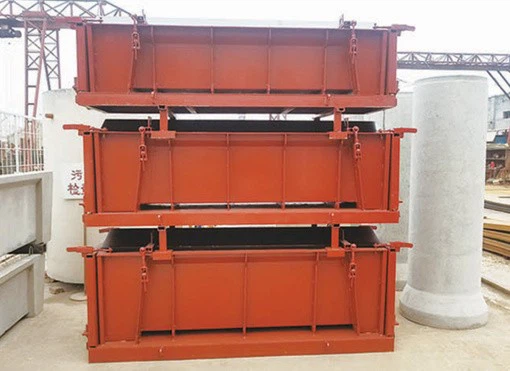
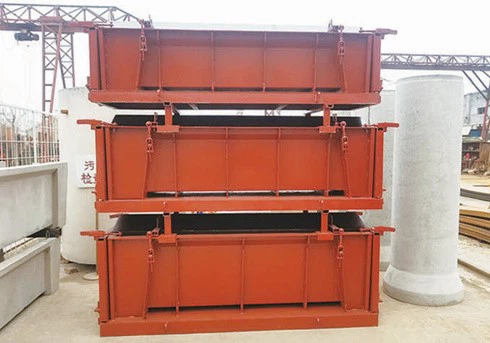
Hey there! As a supplier of Arched Cable Trench Molds, I often get asked about the environmental impacts of these molds. It's a super important topic, especially in today's world where we're all trying to be more eco - friendly. So, let's dive right in and take a look at the different aspects of the environmental impacts of arched cable trench molds.
Manufacturing Process
First off, let's talk about how these molds are made. Most arched cable trench molds are typically crafted from materials like steel or plastic. The manufacturing of steel molds involves a lot of energy. Steel production requires high - temperature furnaces to melt iron ore and other alloys. This process releases a significant amount of greenhouse gases, mainly carbon dioxide. According to some studies, for every ton of steel produced, around 1.85 tons of CO2 are emitted. That's a pretty big deal when you consider that large - scale production of arched cable trench molds can involve tons of steel.
On the other hand, plastic molds have their own set of environmental issues. Plastic is derived from petroleum, a non - renewable resource. The extraction and refining of petroleum are energy - intensive processes that also contribute to air pollution and greenhouse gas emissions. Moreover, the disposal of plastic molds at the end of their life cycle can be a nightmare. Plastic doesn't break down easily in the environment, and it can end up in landfills or, even worse, in our oceans, harming marine life.
However, there are some silver linings. Many manufacturers, including us, are starting to adopt more sustainable practices. For example, we're looking into using recycled steel in the production of our molds. Recycled steel requires less energy to produce compared to virgin steel. It can reduce energy consumption by up to 75% and cut down on greenhouse gas emissions significantly. When it comes to plastic, we're exploring the use of biodegradable plastics or trying to find ways to recycle plastic molds once they're no longer usable.
Usage Phase
During the usage of arched cable trench molds, there are also environmental factors to consider. When using these molds to create cable trenches, there's often a need for concrete. Concrete production is another major contributor to environmental problems. The production of cement, a key component of concrete, is responsible for about 8% of global CO2 emissions. When we pour concrete into the arched cable trench molds, we're indirectly contributing to these emissions.
But again, there are ways to mitigate these impacts. We can use alternative cementitious materials like fly ash or slag, which are by - products of other industrial processes. These materials can partially replace cement in concrete, reducing the overall carbon footprint of the cable trench construction. Also, proper planning and design can ensure that we use the right amount of concrete, avoiding over - use and waste.
Transportation
Transporting arched cable trench molds from the manufacturing facility to the construction site is yet another area where environmental impacts occur. Trucks are the most common mode of transportation for these heavy molds. Diesel - powered trucks emit pollutants such as nitrogen oxides, particulate matter, and carbon monoxide, which are harmful to air quality and human health.
To reduce these impacts, we're working on optimizing our shipping routes. By using advanced logistics software, we can plan the most efficient routes, reducing the distance traveled and, therefore, the amount of fuel consumed. We're also considering alternative transportation methods, like rail transport, which is generally more fuel - efficient and emits fewer pollutants per ton - mile compared to trucks.
End - of - Life Disposal
Once the arched cable trench molds have reached the end of their useful life, proper disposal is crucial. As mentioned earlier, steel molds can be recycled. Recycling steel not only conserves natural resources but also reduces the energy required for new steel production. Plastic molds, however, are more of a challenge. If not disposed of properly, they can cause long - term environmental damage.
We're actively researching ways to make the end - of - life disposal of our molds more sustainable. For plastic molds, we're looking into partnerships with recycling facilities that specialize in plastic waste. We're also educating our customers on the importance of proper disposal and recycling of the molds.
Comparison with Other Types of Cable Trench Molds
It's also interesting to compare arched cable trench molds with other types of cable trench molds, like Precast Cable Trench Mold, U - shaped Cable Trench Mold, and Cast - in - Place Cable Trench Mold.
Precast cable trench molds are made in a factory setting, which can sometimes lead to more efficient use of materials and energy. However, the transportation of precast elements to the construction site can add to the carbon footprint. U - shaped cable trench molds have a different design, which may require different amounts of materials and energy during production. Cast - in - place cable trench molds are used on - site, which can reduce transportation emissions but may result in more waste if not properly managed.
In conclusion, while arched cable trench molds do have environmental impacts, there are many ways to reduce these impacts throughout their life cycle. At our company, we're committed to being part of the solution. We're constantly looking for new and innovative ways to make our products more sustainable, from the materials we use to the way we dispose of the molds at the end of their life.
If you're in the market for high - quality arched cable trench molds and are also concerned about the environment, we'd love to hear from you. We can have a detailed discussion about our sustainable practices and how we can meet your specific needs. Reach out to us for a friendly chat and let's start this journey towards more sustainable cable trench construction together.
References
- World Steel Association. (2023). Steel and climate change.
- International Energy Agency. (2023). Cement industry and CO2 emissions.
- Environmental Protection Agency. (2023). Plastic waste management.