

Hey there! As a supplier of Spigot Cement Pipe Molds, I've been in the game for quite a while, and I often get asked about the limitations of these molds. So, I thought I'd sit down and share my thoughts on this topic.
First off, let's quickly understand what a Spigot Cement Pipe Mold is. It's a crucial tool in the production of cement pipes, specifically designed to create pipes with a spigot end. These pipes are widely used in drainage systems, water supply projects, and more. You can check out our Spigot Cement Pipe Mold on our website for more details.
Now, let's dive into the limitations.
1. Size Constraints
One of the most obvious limitations of a Spigot Cement Pipe Mold is the size. Each mold is designed to produce pipes of a specific diameter and length. If you need pipes outside of the standard sizes that the mold can produce, you're out of luck. For example, if you have a custom project that requires pipes with a non - standard diameter, you might have to look for a specialized mold or consider alternative solutions. This can be a real headache, especially when time is of the essence.
Moreover, changing the size of the pipes you're producing often means investing in a new mold. Molds aren't cheap, and buying a new one every time you need a different size can really eat into your budget. It's like having a pair of shoes that only fit one foot size; if your feet change size, you've got to buy new shoes.
2. Design Flexibility
Another limitation is the design flexibility. Most Spigot Cement Pipe Molds are designed to create pipes with a basic spigot - and - socket design. While this design works well for many applications, there are times when you might need a more complex or customized design. For instance, if you're working on a project that requires pipes with unique shapes or features, the standard mold might not be able to meet your needs.
Creating a custom - designed mold is a time - consuming and expensive process. It involves a lot of engineering work, prototyping, and testing. And even after all that, there's no guarantee that the final product will work exactly as you want it to. So, if you're looking for a high level of design flexibility, you might find the Spigot Cement Pipe Mold a bit restrictive.
3. Production Speed
The production speed of pipes using a Spigot Cement Pipe Mold can also be a limitation. The process of making cement pipes involves pouring the cement mixture into the mold, allowing it to set, and then removing the pipe from the mold. This process takes time, and the production rate is relatively slow compared to some other manufacturing methods.
If you have a large - scale project with tight deadlines, the slow production speed can be a major problem. You might find yourself struggling to meet the demand, which could lead to delays and potentially dissatisfied customers. In some cases, you might have to invest in multiple molds to increase the production rate, but that's an additional cost that you might not be willing or able to bear.
4. Maintenance and Durability
Maintaining a Spigot Cement Pipe Mold is no easy task. These molds are made of metal, and over time, they can wear out due to the constant contact with the cement mixture. The high - pressure environment during the pipe - making process can also cause damage to the mold.
Regular maintenance is required to keep the mold in good working condition. This includes cleaning, lubricating, and inspecting the mold for any signs of wear or damage. If the mold isn't properly maintained, it can lead to a decrease in the quality of the pipes produced. For example, a worn - out mold might produce pipes with rough surfaces or inconsistent dimensions.
In addition, the durability of the mold can be a concern. Even with proper maintenance, a mold will eventually reach the end of its lifespan. When this happens, you'll have to replace it, which is another expense that you need to factor in.
5. Compatibility with Materials
Spigot Cement Pipe Molds are typically designed to work with specific types of cement mixtures. If you try to use a different type of cement or an alternative material, it might not work well with the mold. For example, some high - strength cements or specialty materials might have different setting times or properties that can cause problems during the pipe - making process.
Using an incompatible material can lead to issues such as poor adhesion, cracking, or uneven curing. This can result in pipes that don't meet the required quality standards. So, if you're thinking about using a non - standard material, you need to make sure that it's compatible with the mold before you start production.
Despite these limitations, Spigot Cement Pipe Molds still have a lot of advantages. They're relatively simple to use, and they can produce high - quality pipes that are suitable for a wide range of applications. You can also check out our Mold for Socket and Spigot Cement Pipe and Rainwater Pipeline Mold for more options.
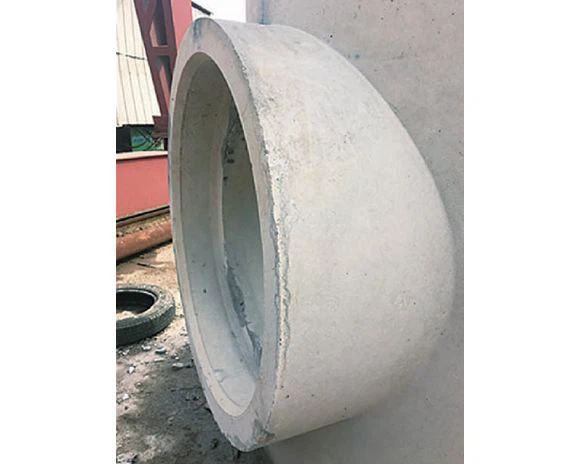

If you're in the market for a Spigot Cement Pipe Mold, don't let these limitations scare you off. We're here to help you find the right mold for your needs. We have a wide range of molds available, and our team of experts can provide you with all the information and support you need. Whether you're a small - scale contractor or a large - scale manufacturer, we can work with you to find a solution that fits your budget and requirements.
So, if you're interested in learning more about our Spigot Cement Pipe Molds or if you have any questions about the limitations and how to work around them, feel free to reach out. We're always happy to have a chat and discuss your project.
References:
- Industry knowledge and experience in Spigot Cement Pipe Mold manufacturing.
- Observations from customers' feedback and project requirements.