

As a supplier of Rainwater Pipeline Molds, I often encounter inquiries from customers regarding the reusability of these molds. This topic is not only crucial for cost - effectiveness but also for sustainable manufacturing practices. In this blog, I will delve into the factors that determine whether a rainwater pipeline mold can be reused and share some insights based on my experience in the industry.
Factors Affecting Reusability
Material Quality of the Mold
The material used to manufacture the rainwater pipeline mold plays a significant role in its reusability. High - quality materials such as high - strength steel or durable plastics are more likely to withstand multiple uses. Steel molds, for instance, are known for their robustness and resistance to wear and tear. They can endure the pressure and temperature changes during the molding process without significant deformation. On the other hand, molds made from lower - quality materials may start to show signs of damage after just a few uses, such as cracks or surface roughness, which can affect the quality of the pipes produced and limit the mold's reusability.
Molding Process
The molding process itself can impact the mold's lifespan and reusability. If the process involves high - pressure injection or extreme temperatures, the mold is subjected to more stress. For example, in some advanced injection molding techniques, the molten material is forced into the mold cavity at high pressures. Over time, this can cause the mold to wear out, especially in areas where the pressure is concentrated. Additionally, improper handling during the molding process, such as incorrect alignment or rough demolding, can also lead to damage to the mold, reducing its chances of being reused.
Maintenance and Care
Proper maintenance and care are essential for the reusability of rainwater pipeline molds. Regular cleaning after each use can prevent the accumulation of residual materials, which can harden and cause abrasion on the mold surface. Lubrication of moving parts, if any, can also reduce friction and wear. Inspections should be carried out periodically to detect any signs of damage early. Minor damages can often be repaired, extending the mold's lifespan. For example, if there are small scratches on the mold surface, they can be polished to restore the smoothness, allowing the mold to be used again.
Advantages of Reusing Rainwater Pipeline Molds
Cost - Savings
One of the most significant advantages of reusing rainwater pipeline molds is cost - savings. Manufacturing a new mold can be a costly process, involving material procurement, machining, and finishing. By reusing existing molds, companies can avoid these expenses. This is particularly beneficial for small and medium - sized enterprises that may have budget constraints. The money saved can be invested in other aspects of the business, such as research and development or marketing.
Environmental Benefits
Reusing molds is also environmentally friendly. The production of new molds consumes a significant amount of energy and raw materials. By reusing, we can reduce the demand for these resources, which in turn helps to conserve natural resources and reduce the carbon footprint. Additionally, less waste is generated, as old molds do not end up in landfills. This aligns with the growing trend of sustainable manufacturing in the industry.
Challenges in Reusing Rainwater Pipeline Molds
Compatibility with New Designs
As the demand for different types of rainwater pipes changes, new designs are constantly emerging. Reusing an old mold may not be feasible if the new pipe design requires a different shape, size, or internal structure. For example, if a new design calls for a pipe with a more complex cross - section or additional features, the existing mold may not be able to produce the desired product. In such cases, companies may need to invest in new molds, despite the potential cost - savings of reusing the old ones.
Wear and Tear
Even with proper maintenance, molds will eventually experience wear and tear. Over time, the surface of the mold may become rough, which can affect the quality of the pipes produced. The dimensions of the mold may also change slightly due to repeated use, leading to pipes that do not meet the required specifications. When the wear and tear reach a certain level, the mold may no longer be suitable for reuse, and replacement becomes necessary.
Our Offerings as a Rainwater Pipeline Mold Supplier
At our company, we understand the importance of mold reusability for our customers. We offer a wide range of high - quality Rainwater Pipeline Molds made from top - grade materials. Our molds are designed to withstand multiple uses, thanks to our advanced manufacturing techniques and strict quality control.
We also provide comprehensive maintenance and repair services for our molds. Our team of experts can conduct thorough inspections, clean the molds, and perform any necessary repairs to ensure their reusability. In addition, we offer customization services, which means that if you have a new pipe design, we can modify your existing mold or create a new one to meet your specific requirements.
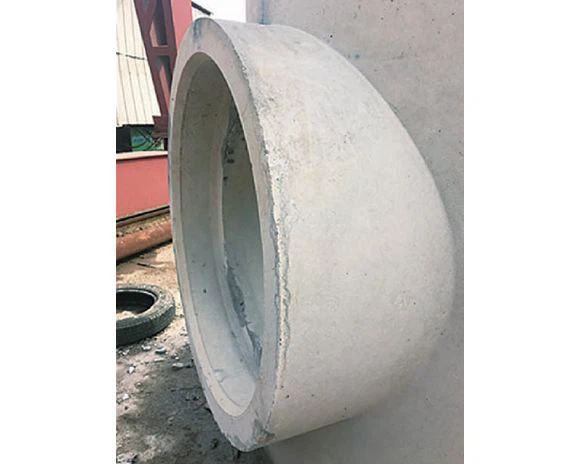

We have a variety of molds in our product line, including Spigot Cement Pipe Mold and Rainwater Culvert Pipe Mold. These molds are engineered to provide high - quality pipes with excellent durability.
Conclusion
In conclusion, a rainwater pipeline mold can be reused, but it depends on several factors such as material quality, molding process, and maintenance. Reusing molds offers significant cost - savings and environmental benefits, but there are also challenges such as compatibility with new designs and wear and tear. As a supplier, we are committed to helping our customers make the most of their molds. Whether you need a new mold, maintenance services, or customization, we are here to assist you.
If you are interested in our rainwater pipeline molds or have any questions about mold reusability, please feel free to contact us for a detailed discussion and procurement negotiation. We look forward to working with you to meet your rainwater pipe manufacturing needs.
References
- "Molding Technology Handbook" by John Doe, published by XYZ Publishing.
- "Sustainable Manufacturing Practices in the Pipe Industry" by Jane Smith, Journal of Manufacturing and Sustainability, Volume 15, Issue 2.
- Industry reports from leading pipe manufacturing associations.