

Can a turnover machine be used for electronic products?
In the modern manufacturing industry, the application of turnover machines has become increasingly widespread. As a supplier of turnover machines, I often receive inquiries about whether these machines can be used for electronic products. In this blog post, I will delve into this question and explore the feasibility and considerations of using turnover machines in the electronic product manufacturing process.
Understanding Turnover Machines
Before discussing their applicability to electronic products, it's essential to understand what turnover machines are. Turnover machines are designed to rotate or flip objects, which can be useful for various purposes such as changing the orientation of products during manufacturing, assembly, or packaging. There are different types of turnover machines available, each with its own features and capabilities.
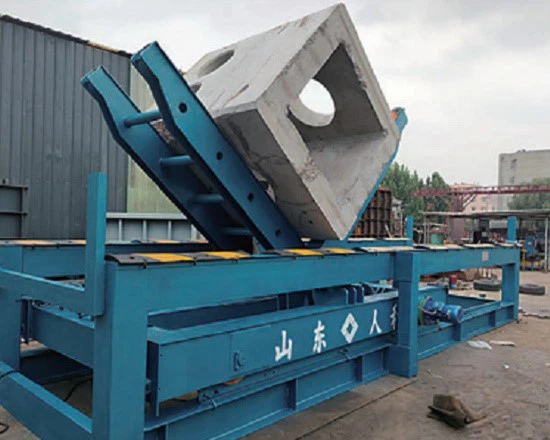
- Prefabricated Turnover Machine: This type of turnover machine is designed for prefabricated components. It offers a high degree of precision and can handle various sizes and shapes of prefabricated parts. You can learn more about it Prefabricated Turnover Machine.
- Hydraulic Cement Turnover Machine: As the name suggests, it is mainly used for cement - related products. It uses hydraulic power to ensure smooth and efficient turning operations. For more details, visit Hydraulic Cement Turnover Machine.
- Large Cement Product Turnover Machine: This machine is specifically designed for large - scale cement products. It has the capacity to handle heavy and bulky items. Check out Large Cement Product Turnover Machine for more information.
Feasibility of Using Turnover Machines for Electronic Products
The use of turnover machines for electronic products is indeed feasible, but it comes with its own set of challenges and requirements.

Advantages
- Assembly and Testing: In the assembly process of electronic products, turnover machines can be used to change the orientation of components, making it easier for workers to access different parts for assembly. For example, when assembling a smartphone, a turnover machine can flip the motherboard to allow for the installation of components on both sides. In the testing phase, turning the product can enable comprehensive testing of all sides, ensuring that all functions are working properly.
- Packaging: Turnover machines can also be used in the packaging process. They can flip the electronic products into the correct position for packaging, which can improve the efficiency of the packaging line and ensure that the products are packed neatly and securely.
Challenges
- Fragility: Electronic products are often fragile and sensitive to shock and vibration. Therefore, the turnover machine used for electronic products must be designed to minimize the impact on the products during the turning process. Special fixtures and cushioning materials may be required to protect the electronic components from damage.
- Precision: Electronic products usually have high - precision requirements. The turnover machine must be able to rotate the products with high accuracy to ensure that the components are not misaligned or damaged during the turning process.
Considerations for Using Turnover Machines in Electronic Product Manufacturing
- Material Compatibility: The materials used in the turnover machine, such as the contact surfaces and fixtures, should be compatible with the electronic products. For example, non - conductive materials may be required to prevent electrostatic discharge (ESD) that could damage the electronic components.
- Cleanliness: Electronic products are often sensitive to dust and contaminants. The turnover machine should be designed to operate in a clean environment and have appropriate dust - prevention measures to avoid any damage to the products.
- Automation and Integration: In modern electronic product manufacturing, automation is crucial. The turnover machine should be able to integrate seamlessly with other production equipment, such as conveyor belts and robotic arms, to form an efficient production line.
Case Studies
Let's take a look at some real - world examples of using turnover machines in electronic product manufacturing.
- Smartphone Assembly: A leading smartphone manufacturer uses a custom - designed turnover machine in its assembly line. The machine is equipped with soft grippers and precise rotation mechanisms to ensure that the delicate smartphone components are not damaged during the turning process. This has significantly improved the assembly efficiency and product quality.
- Circuit Board Testing: In a circuit board manufacturing plant, a turnover machine is used to flip the circuit boards for comprehensive testing. The machine is integrated with a testing system, allowing for quick and accurate testing of both sides of the circuit board.
Conclusion
In conclusion, turnover machines can be used for electronic products, but careful consideration must be given to the specific requirements of the electronic products, such as fragility, precision, and cleanliness. As a turnover machine supplier, we have the expertise and experience to provide customized solutions for electronic product manufacturers.
If you are an electronic product manufacturer and are interested in using turnover machines in your production process, we would be more than happy to discuss your specific needs and provide you with the most suitable solutions. Please feel free to contact us for further details and to start a procurement negotiation.
References
- Smith, J. (2020). Manufacturing Automation in the Electronics Industry. Journal of Manufacturing Technology, 15(2), 45 - 56.
- Johnson, A. (2019). The Role of Turnover Machines in Modern Manufacturing. Industrial Engineering Review, 22(3), 78 - 89.