

As a supplier of cable trench molds, I often encounter questions from customers regarding the suitability of our products in various environmental conditions. One common query is whether cable trench molds can be used in areas with high wind speeds. In this blog post, I will delve into this topic, exploring the factors that influence the use of cable trench molds in windy regions and providing insights to help you make an informed decision.
Understanding Cable Trench Molds
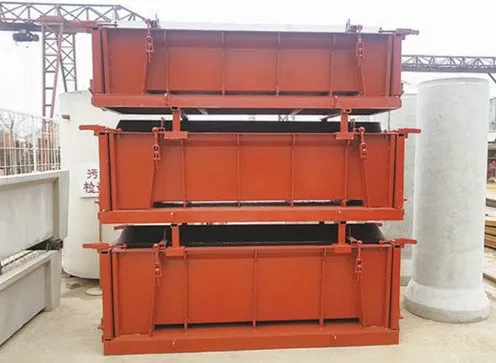
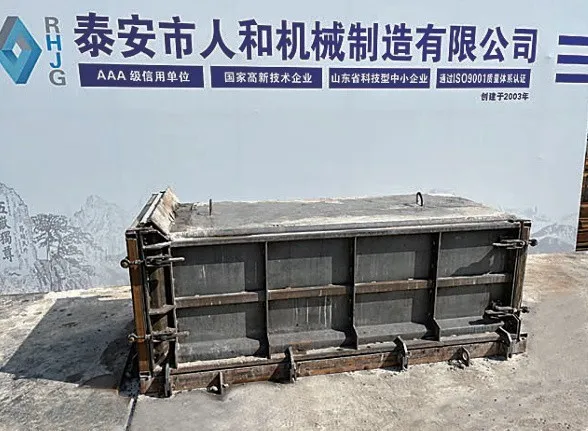
Before discussing their use in high - wind areas, let's first understand what cable trench molds are. Cable trench molds are essential tools in the construction of cable trenches, which are used to house and protect electrical cables. These molds come in different shapes and designs, such as the Rectangular Cable Trench Mold and the Arched Cable Trench Mold. They can also be categorized as pre - fabricated or Cast - in - Place Cable Trench Mold, depending on the construction method.
Factors Affecting the Use of Cable Trench Molds in High - Wind Areas
Structural Integrity
The structural integrity of cable trench molds is of utmost importance in high - wind areas. High winds can exert significant lateral forces on the molds during the construction process. For pre - fabricated molds, they need to be designed and manufactured to withstand these forces without deformation or collapse. The material used in the mold construction plays a crucial role. For example, steel molds are generally more robust and can better resist the impact of high - speed winds compared to plastic molds.
Installation and Fixing
Proper installation and fixing of the cable trench molds are essential in windy conditions. If the molds are not securely fixed to the ground, high winds can easily displace them, leading to inaccurate trench construction. For cast - in - place molds, the formwork needs to be firmly braced and anchored. In the case of pre - fabricated molds, they should be installed with appropriate fasteners and support structures to ensure stability.
Wind - Induced Vibrations
High - speed winds can cause vibrations in the cable trench molds. These vibrations can have a negative impact on the concrete pouring process. If the vibrations are too severe, they can lead to uneven distribution of concrete, resulting in weak spots in the trench structure. To mitigate this issue, dampening techniques can be employed, such as using vibration - absorbing materials between the mold and the ground or installing vibration - damping devices on the mold.
Environmental Considerations
In addition to the direct impact of high winds, the environment in high - wind areas may also present other challenges. For example, these areas may be more prone to dust and debris carried by the wind. This dust can contaminate the concrete mix during the pouring process, affecting the quality of the cable trench. Therefore, proper dust - control measures should be in place during construction.
Advantages of Using Cable Trench Molds in High - Wind Areas
Protection of Cables
Despite the challenges, cable trench molds are still a viable option in high - wind areas. Once the cable trenches are constructed using these molds, they provide a safe and protected environment for the cables. The trenches shield the cables from the direct impact of high winds, reducing the risk of damage caused by wind - blown objects or excessive wind force.
Standardization and Quality
Using cable trench molds ensures a high level of standardization in the construction of cable trenches. This means that the trenches have consistent dimensions and quality, which is crucial for the long - term performance of the cable system. In high - wind areas, where the environmental conditions are harsh, a well - constructed and standardized cable trench can better withstand the challenges posed by the wind.
Case Studies
Let's take a look at some real - world examples of using cable trench molds in high - wind areas. In a coastal region known for its strong sea breezes, a power company used pre - fabricated steel cable trench molds for a new cable installation project. By ensuring proper installation and bracing of the molds, they were able to construct cable trenches that withstood the high - speed winds. The trenches provided reliable protection for the cables, and there were no reported issues related to wind - induced damage during the project.
In another case, a construction team in a mountainous area with frequent gusty winds used cast - in - place cable trench molds. They implemented vibration - damping measures and dust - control techniques during the construction process. As a result, the cable trenches were successfully constructed, and the cables were safely housed within the trenches, even in the face of strong winds.
Conclusion
In conclusion, cable trench molds can be used in areas with high wind speeds, but it requires careful consideration of various factors. By addressing issues related to structural integrity, installation, wind - induced vibrations, and environmental challenges, cable trench molds can provide a reliable solution for cable protection in windy regions.
If you are considering using cable trench molds for your project in a high - wind area, I encourage you to reach out to us. Our team of experts can provide you with detailed information and customized solutions based on your specific requirements. Whether you need a Rectangular Cable Trench Mold, an Arched Cable Trench Mold, or a Cast - in - Place Cable Trench Mold, we have the expertise and products to meet your needs. Contact us today to start a discussion about your cable trench construction project.
References
- Construction Materials Handbook: This handbook provides in - depth information on the properties of different materials used in cable trench molds and their performance in various environmental conditions.
- Wind Engineering Manual: It offers guidelines on the design and installation of structures in high - wind areas, which can be applied to cable trench mold construction.
- Case Studies in Civil Engineering: Real - world examples of using cable trench molds in challenging environments, including high - wind areas, are documented in these case studies.