

Can drainage canal molds be used in cold climates? This is a question that many of our customers often ask, especially those in regions with harsh winter conditions. As a leading supplier of drainage canal molds, including Rectangular Groove Mold, Farmland Irrigation Canal Mold, and U-shaped Groove Mold, we have in - depth knowledge and practical experience to address this concern.
Understanding the Challenges of Cold Climates
Cold climates bring a series of unique challenges that can affect the performance and durability of drainage canal molds. One of the most significant issues is the freeze - thaw cycle. When water seeps into the soil around the canal or inside the mold itself and then freezes, it expands. This expansion can exert tremendous pressure on the mold and the concrete structures formed within it. Repeated freeze - thaw cycles can lead to cracking, spalling, and other forms of damage over time.
Another challenge is the low temperature itself. At extremely cold temperatures, the curing process of concrete is significantly slowed down. Concrete needs a certain temperature range to hydrate properly and gain strength. In cold climates, the slow curing can result in weaker concrete, which may not meet the required design specifications for the drainage canal. Additionally, the cold can make the materials of the mold more brittle, increasing the risk of breakage during handling and use.
Suitability of Different Types of Drainage Canal Molds
Rectangular Groove Mold
Rectangular groove molds are commonly used in various drainage applications. In cold climates, their relatively simple and straightforward design can be an advantage. The straight sides and sharp corners of the rectangular shape allow for easier removal of the mold after the concrete has cured. However, the sharp corners can also be a weak point during freeze - thaw cycles. The stress concentration at these corners can cause cracking more easily compared to rounded shapes.
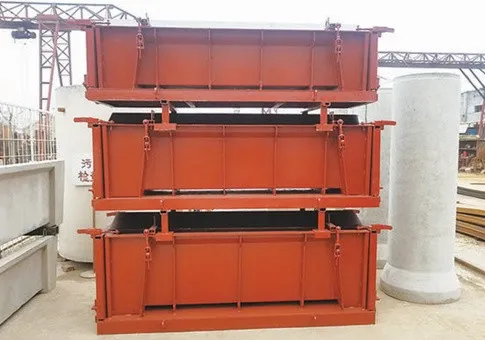
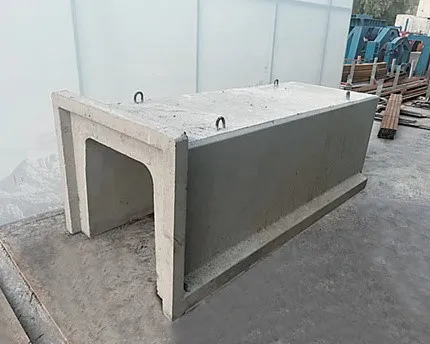
To enhance the performance of rectangular groove molds in cold climates, we recommend using high - quality materials with good resistance to cold and impact. Our Rectangular Groove Mold is made from premium steel or durable plastic materials that are specifically selected for their ability to withstand low temperatures and mechanical stress. We also provide special coatings on the mold surface to protect it from corrosion and reduce the adhesion of concrete, making the demolding process smoother even in cold conditions.
Farmland Irrigation Canal Mold
Farmland irrigation canal molds are designed to meet the specific needs of agricultural drainage and irrigation. In cold climates, these molds need to be able to produce canals that can withstand the harsh winter environment while still providing efficient water flow. The design of farmland irrigation canal molds often includes features such as gentle slopes and smooth surfaces to ensure proper water drainage.
Our Farmland Irrigation Canal Mold is engineered to address the challenges of cold climates. We use advanced manufacturing techniques to create molds with uniform wall thickness and high precision. This helps to ensure that the concrete canals formed are of consistent quality and strength. Moreover, we offer customized solutions based on the specific soil conditions and temperature ranges of the farmland area. For example, in areas with high groundwater levels and frequent freeze - thaw cycles, we can design molds with additional reinforcement features to prevent damage.
U - shaped Groove Mold
U - shaped groove molds are known for their excellent hydraulic performance and structural stability. The rounded shape of the U - groove distributes stress more evenly compared to rectangular shapes, reducing the risk of cracking during freeze - thaw cycles. This makes U - shaped groove molds a popular choice for drainage systems in cold climates.
The U - shape also allows for better water flow, which is crucial in preventing water from pooling and freezing inside the canal. Our U - shaped Groove Mold is made from materials that can maintain their flexibility and strength at low temperatures. The smooth inner surface of the mold helps to produce U - shaped canals with a high - quality finish, which is important for long - term durability and efficient water drainage.
Mitigation Strategies for Cold Climate Use
Material Selection
As mentioned earlier, the choice of materials for drainage canal molds is crucial in cold climates. For metal molds, we use high - strength steel alloys that have been heat - treated to improve their toughness and resistance to cold. Plastic molds are made from engineering plastics with excellent low - temperature performance, such as polypropylene or polyethylene. These materials can withstand the cold without becoming too brittle and can maintain their shape and integrity during the molding process.
Insulation and Heating
To counteract the slow curing process of concrete in cold climates, insulation and heating methods can be employed. Insulating blankets can be wrapped around the mold and the freshly poured concrete to retain heat and create a more favorable curing environment. In some cases, heating elements can be incorporated into the mold design. These heating elements can be controlled to maintain a constant temperature within the mold, ensuring that the concrete cures properly and gains strength.
Proper Installation and Maintenance
Proper installation of the drainage canal is essential in cold climates. The foundation of the canal should be well - compacted and stable to prevent settlement and movement during freeze - thaw cycles. During the installation process, care should be taken to ensure that the joints between the canal sections are properly sealed to prevent water infiltration.
Regular maintenance is also crucial. Inspecting the canals and molds periodically for signs of damage, such as cracks or corrosion, can help identify problems early on. Any damaged parts should be repaired or replaced promptly to prevent further deterioration.
Conclusion
In conclusion, drainage canal molds can be used in cold climates, but special considerations need to be taken into account. Different types of molds, such as rectangular groove molds, farmland irrigation canal molds, and U - shaped groove molds, have their own advantages and challenges in cold environments. By selecting the right materials, implementing appropriate mitigation strategies, and following proper installation and maintenance procedures, the performance and durability of drainage canal molds in cold climates can be significantly improved.
If you are interested in our drainage canal molds and want to discuss how they can be adapted to your specific cold - climate project, we invite you to contact us for a detailed consultation. Our team of experts is ready to provide you with the best solutions and support for your drainage needs.
References
- "Concrete Construction in Cold Weather" - Portland Cement Association
- "Design and Construction of Drainage Canals" - American Society of Civil Engineers