

Can I use drainage canal molds for other projects?
As a supplier of drainage canal molds, I often encounter inquiries from clients wondering if these molds can be repurposed for other projects. This is a highly relevant question, especially considering the investment in molds and the desire to maximize their utility. In this blog post, I'll delve into the potential of using drainage canal molds for alternative projects, exploring the feasibility, limitations, and benefits.
Understanding Drainage Canal Molds
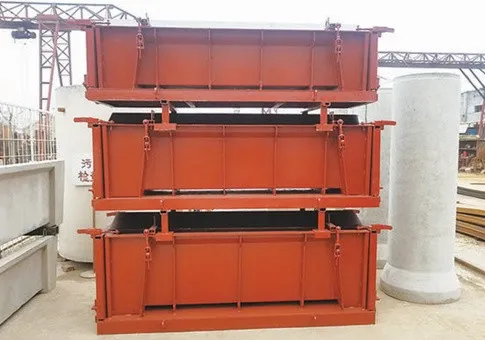
Before we discuss their potential for other projects, let's briefly understand what drainage canal molds are. These molds are specifically designed to create channels for water drainage, commonly used in infrastructure projects such as roads, bridges, and urban drainage systems. They come in various shapes and sizes, including rectangular, trapezoidal, and U-shaped, to accommodate different drainage requirements.
The materials used to make drainage canal molds also vary, with common options including steel, plastic, and fiberglass. Each material has its own set of properties, such as durability, flexibility, and cost, which can influence its suitability for different projects.
Feasibility of Using Drainage Canal Molds for Other Projects
-
Farmland Irrigation
One of the most promising alternative uses for drainage canal molds is in Farmland Irrigation Canal Mold. The basic function of a drainage canal and an irrigation canal is similar - to transport water. By adjusting the dimensions and design of the mold slightly, it can be used to create canals for distributing water in agricultural fields. This not only saves on the cost of purchasing specialized irrigation canal molds but also ensures a consistent and high - quality construction. -
Landscaping
In landscaping projects, water features such as small creeks, ponds, and waterfalls can benefit from the use of drainage canal molds. The molds can be used to create the base structure for these water features, providing a stable and leak - resistant channel for water flow. For example, a U - shaped drainage canal mold can be used to form a small creek in a garden, adding a natural and aesthetically pleasing element to the landscape. -
Industrial Water Management
Industries often require systems for managing water, such as cooling water channels or wastewater drainage. Drainage canal molds can be adapted for these purposes. The robust construction of many drainage canal molds can withstand the harsh conditions in industrial settings, including exposure to chemicals and high - volume water flow.
Limitations and Considerations
-
Design Constraints
While drainage canal molds can be used for other projects, there are limitations due to their original design. For instance, the shape and size of the mold may not be ideal for all alternative applications. A mold designed for a large - scale urban drainage system may be too big for a small - scale landscaping project. In such cases, modifications may be required, which can add to the cost and complexity of the project. -
Material Compatibility
The material of the mold may not be suitable for all types of projects. For example, a plastic mold may not be strong enough to withstand heavy traffic or high - pressure water flow in an industrial setting. It's crucial to assess the material properties and ensure they meet the requirements of the new project. -
Regulatory Requirements
Different projects are subject to various regulations and standards. When using drainage canal molds for other projects, it's essential to ensure that the final product complies with all relevant regulations. For example, in farmland irrigation, the canals may need to meet certain water quality and flow rate standards.
Benefits of Using Drainage Canal Molds for Other Projects
-
Cost - Savings
One of the most significant advantages is cost - savings. Instead of purchasing new molds specifically designed for a different project, reusing drainage canal molds can significantly reduce the upfront investment. This is especially beneficial for small - scale projects or projects with limited budgets. -
Time - Efficiency
Using existing molds can save time in the project planning and execution phases. There's no need to wait for the design and manufacturing of new molds, allowing the project to start and finish more quickly. -
Quality Assurance
As drainage canal molds are typically designed and manufactured to high standards, using them for other projects can ensure a certain level of quality. The molds are often made with precision, resulting in consistent and well - constructed channels.
Examples of Successful Adaptations
-
A Small - Scale Landscape Project
A local landscaping company used a U - shaped drainage canal mold to create a small water feature in a residential garden. By painting the molded canal to match the natural surroundings, they were able to transform the area into an attractive and peaceful spot. The project was completed quickly and within budget, thanks to the reuse of the mold. -
Farmland Irrigation Upgrade
A farmer upgraded the irrigation system in their fields using a set of rectangular drainage canal molds. By making minor adjustments to the design, the canals were able to distribute water evenly across the fields, improving crop yields. The cost of the project was much lower compared to using custom - made irrigation canal molds.
Conclusion
In conclusion, while there are limitations, drainage canal molds can indeed be used for other projects such as Farmland Irrigation Canal Mold, landscaping, and industrial water management. The potential for cost - savings, time - efficiency, and quality assurance make them an attractive option for various applications. However, it's important to carefully consider the design, material, and regulatory requirements of each project.
If you're interested in exploring the use of drainage canal molds for your projects or have any questions about our Canal Mold and Flume Mold offerings, please don't hesitate to contact us. We're here to assist you in making the most of your mold investment and achieving your project goals.

References
- Smith, J. (2020). Construction Molds: A Comprehensive Guide. Publisher X.
- Johnson, A. (2021). Water Management in Agriculture and Industry. Journal of Water Science, 15(3), 22 - 35.