

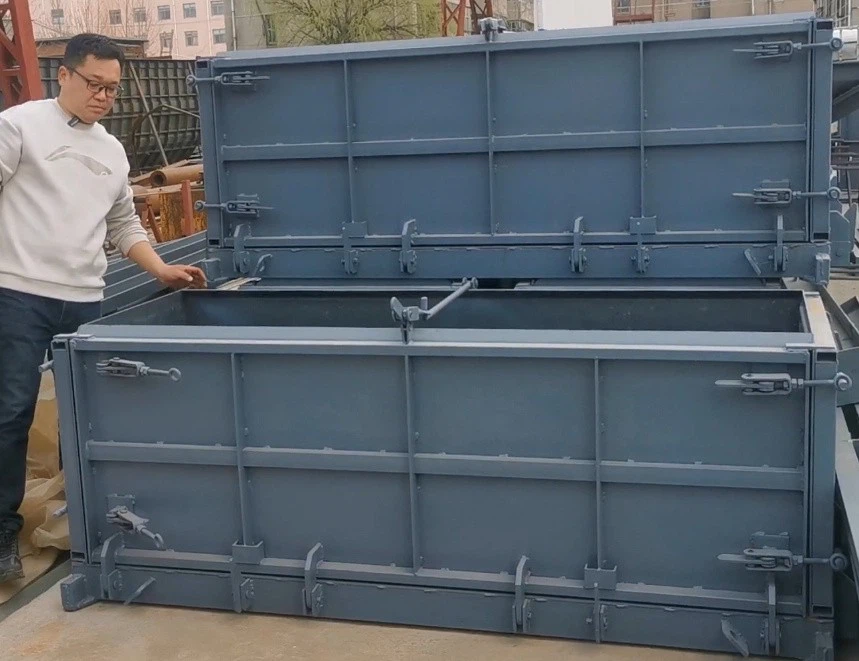
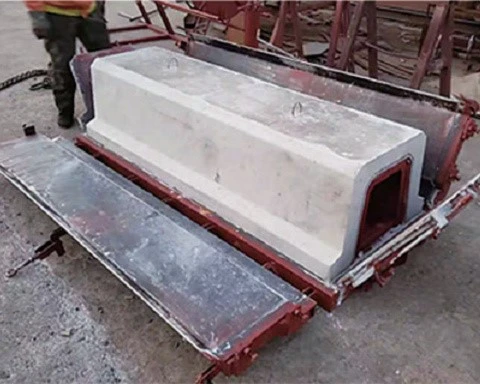
Hey there! As a supplier of Rectangular Groove Molds, I know how crucial it is to ensure the flatness of these molds. A flat rectangular groove mold is essential for creating high - quality products, whether it's for Farmland Irrigation Canal Mold or other Canal Mold applications. In this blog, I'll share some tips on how to make sure your rectangular groove mold stays flat.
1. Material Selection
The first step in ensuring the flatness of a rectangular groove mold is choosing the right material. You want a material that is strong, durable, and has low thermal expansion. Metals like steel are often a great choice. Steel can withstand high pressures and temperatures during the molding process without warping easily.
When selecting steel, pay attention to its grade. High - quality steel grades are less likely to develop internal stresses that could lead to uneven surfaces. You also need to consider the finish of the steel. A smooth finish on the steel can prevent the formation of rough spots on the mold, which is important for maintaining flatness.
2. Precision Machining
Once you've got the right material, precision machining is key. The machining process should be carried out with high - end equipment and skilled operators. CNC (Computer Numerical Control) machining is a popular choice for making rectangular groove molds. It allows for extremely accurate cuts and shapes, ensuring that the mold's dimensions are within the required tolerance.
During machining, it's important to keep the cutting tools sharp. Dull tools can cause rough surfaces and uneven cuts, which can affect the flatness of the mold. Also, the machining speed and feed rate need to be carefully controlled. If the speed is too high or the feed rate is incorrect, it can lead to vibrations that result in an uneven surface.
3. Heat Treatment
Heat treatment is another crucial step. After machining, the mold needs to be heat - treated to relieve internal stresses. These stresses can build up during the machining process and cause the mold to warp over time.
There are different heat - treatment methods, such as annealing, quenching, and tempering. Annealing is often used to soften the material and relieve stress. Quenching and tempering are used to increase the hardness and strength of the mold. The specific heat - treatment process depends on the type of material and the requirements of the mold.
4. Inspection and Testing
Regular inspection and testing are necessary to ensure the flatness of the rectangular groove mold. You can use tools like a flatness gauge to measure the flatness of the mold's surface. This gauge will give you an accurate reading of any deviations from a perfectly flat surface.
In addition to using physical tools, non - destructive testing methods can also be employed. Ultrasonic testing, for example, can detect internal flaws in the mold that might not be visible on the surface. These flaws could potentially lead to flatness issues in the long run.
5. Storage and Handling
Proper storage and handling of the mold are also important. When storing the rectangular groove mold, make sure it's placed on a flat and stable surface. Avoid placing heavy objects on top of the mold, as this can cause it to deform.
During handling, use appropriate lifting equipment to prevent any accidental impacts or bending. If the mold is dropped or mishandled, it can easily lose its flatness.
6. Maintenance
Regular maintenance is crucial for keeping the mold flat. Clean the mold after each use to remove any debris or residue. This debris can build up over time and cause uneven wear on the mold's surface, leading to flatness problems.
Lubrication is also important. Apply a suitable lubricant to the moving parts of the mold to reduce friction. Friction can cause heat, which can lead to expansion and warping of the mold.
7. Environmental Factors
The environment in which the mold is used and stored can also affect its flatness. High humidity can cause corrosion, which can damage the mold's surface and lead to unevenness. Extreme temperatures can also cause the material to expand or contract, affecting the flatness of the mold.
Try to keep the mold in a controlled environment. If possible, use a climate - controlled storage area with stable temperature and humidity levels.
8. Design Considerations
The design of the rectangular groove mold itself can play a role in ensuring flatness. A well - designed mold will distribute stress evenly during the molding process. Consider factors such as the thickness of the mold walls, the placement of cooling channels (if applicable), and the overall shape of the mold.
A mold with thick, uneven walls may experience uneven cooling and stress distribution, which can lead to warping. By optimizing the design, you can minimize these issues and maintain the flatness of the mold.
Conclusion
Ensuring the flatness of a rectangular groove mold is a multi - step process that involves material selection, precision machining, heat treatment, inspection, proper storage and handling, maintenance, and considering environmental and design factors. By following these tips, you can produce high - quality rectangular groove molds that meet the strictest flatness requirements.
If you're in the market for Rectangular Groove Molds or have any questions about mold flatness, don't hesitate to reach out. We're here to help you with all your mold - related needs. Let's have a chat about how we can work together to get the best molds for your projects.
References
- "Manufacturing Processes for Engineering Materials" by Serope Kalpakjian and Steven R. Schmid
- "Tool and Manufacturing Engineers Handbook" published by Society of Manufacturing Engineers