

Improving the cooling performance of a rectangular groove mold is crucial for enhancing production efficiency, ensuring product quality, and reducing costs. As a supplier of Rectangular Groove Mold, I have gained extensive experience in this field. In this blog, I will share some effective strategies and techniques to optimize the cooling performance of rectangular groove molds.
Understanding the Importance of Cooling in Mold Manufacturing
Before delving into the methods of improving cooling performance, it is essential to understand why cooling is so important in mold manufacturing. When molten material is injected into a mold, it needs to solidify quickly to take the shape of the mold cavity. The cooling process directly affects the cycle time of production, the quality of the final product, and the overall efficiency of the manufacturing process.
A well - designed cooling system can significantly reduce the cycle time by rapidly removing heat from the molten material. This not only increases the production rate but also helps to maintain the dimensional accuracy and surface finish of the molded parts. On the other hand, poor cooling can lead to longer cycle times, uneven solidification, and defects such as warping, shrinkage, and sink marks in the final products.
Factors Affecting the Cooling Performance of Rectangular Groove Molds
Several factors can influence the cooling performance of rectangular groove molds. These include the design of the cooling channels, the thermal properties of the mold material, the coolant used, and the flow rate and temperature of the coolant.
Cooling Channel Design
The design of the cooling channels is one of the most critical factors affecting cooling performance. The layout, size, and shape of the channels determine how effectively heat can be transferred from the mold cavity to the coolant. In rectangular groove molds, the cooling channels should be designed to provide uniform cooling across the entire mold surface.
For example, using a serpentine or spiral - shaped cooling channel layout can increase the contact area between the coolant and the mold, enhancing heat transfer. Additionally, the distance between the cooling channels and the mold cavity should be carefully optimized to ensure efficient heat removal without causing excessive thermal stress on the mold.
Thermal Properties of the Mold Material
The thermal conductivity of the mold material plays a vital role in cooling performance. Materials with high thermal conductivity can transfer heat more quickly from the molten material to the coolant. Common mold materials include steel, aluminum, and copper alloys. Aluminum and copper alloys generally have higher thermal conductivity than steel, which means they can cool the molten material faster.
However, the choice of mold material also depends on other factors such as the mechanical properties required for the mold, the cost, and the manufacturing process. For example, steel molds are often preferred for high - volume production due to their high strength and durability, while aluminum or copper alloy molds may be more suitable for prototyping or low - volume production where fast cooling is a priority.
Coolant Selection
The type of coolant used in the cooling system also affects the cooling performance. Water is the most commonly used coolant due to its high specific heat capacity and low cost. However, other coolants such as glycol - water mixtures or refrigerants may be used in certain applications where lower temperatures or better corrosion resistance are required.
The coolant should have good heat transfer properties and be compatible with the mold material to prevent corrosion or other damage. Additionally, the coolant should be free of impurities to avoid clogging the cooling channels.
Coolant Flow Rate and Temperature
The flow rate and temperature of the coolant are important parameters that need to be carefully controlled. A higher flow rate can increase the heat transfer coefficient, but it also requires more energy to pump the coolant. Therefore, an optimal flow rate should be determined based on the size and design of the cooling channels and the heat load of the mold.
The temperature of the coolant also affects the cooling rate. Lower coolant temperatures can result in faster cooling, but they may also cause thermal shock to the mold if the temperature difference between the mold and the coolant is too large. Therefore, the coolant temperature should be maintained within a suitable range to ensure efficient and safe cooling.
Strategies to Improve the Cooling Performance of Rectangular Groove Molds
Optimize the Cooling Channel Design
As mentioned earlier, the design of the cooling channels is crucial for efficient cooling. Here are some strategies to optimize the cooling channel design:
- Use conformal cooling channels: Conformal cooling channels are designed to follow the shape of the mold cavity, providing uniform cooling across the entire surface. This can be achieved using advanced manufacturing techniques such as 3D printing. Conformal cooling channels can significantly reduce the cooling time and improve the quality of the molded parts.
- Increase the number of cooling channels: Adding more cooling channels can increase the contact area between the coolant and the mold, enhancing heat transfer. However, the spacing between the channels should be carefully considered to avoid excessive pressure drop in the cooling system.
- Optimize the channel diameter: The diameter of the cooling channels affects the flow rate and heat transfer coefficient. A larger diameter can reduce the pressure drop, but it may also decrease the heat transfer coefficient. Therefore, an optimal channel diameter should be selected based on the specific requirements of the mold.
Select the Right Mold Material
As discussed, the thermal properties of the mold material are important for cooling performance. When selecting a mold material, consider the following:
- High - thermal - conductivity materials: If fast cooling is a priority, consider using aluminum or copper alloy molds. These materials can significantly reduce the cooling time compared to steel molds.
- Hybrid molds: In some cases, a hybrid mold design can be used, where a high - thermal - conductivity material is used in the areas where rapid cooling is required, and a more traditional material such as steel is used in the areas where high strength is needed.
Improve the Coolant System
The coolant system can be optimized in the following ways:
- Use a high - efficiency coolant: Consider using a coolant with better heat transfer properties or corrosion resistance, such as a glycol - water mixture.
- Install a temperature control system: A temperature control system can help maintain the coolant temperature within a suitable range, ensuring consistent cooling performance.
- Monitor and adjust the flow rate: Regularly monitor the flow rate of the coolant and adjust it as needed to ensure optimal heat transfer.
Implement Advanced Cooling Technologies
There are several advanced cooling technologies that can be used to improve the cooling performance of rectangular groove molds:
- Thermoelectric cooling: Thermoelectric coolers can be used to provide localized cooling in areas where rapid cooling is required. These coolers work based on the Peltier effect and can be precisely controlled to adjust the cooling rate.
- Phase - change cooling: Phase - change materials can be used in the cooling system to absorb and release heat during the phase transition process. This can help to maintain a more stable temperature in the mold and improve the cooling efficiency.
Conclusion
Improving the cooling performance of rectangular groove molds is a complex but achievable goal. By optimizing the cooling channel design, selecting the right mold material, improving the coolant system, and implementing advanced cooling technologies, we can significantly reduce the cooling time, improve the quality of the molded parts, and increase the production efficiency.
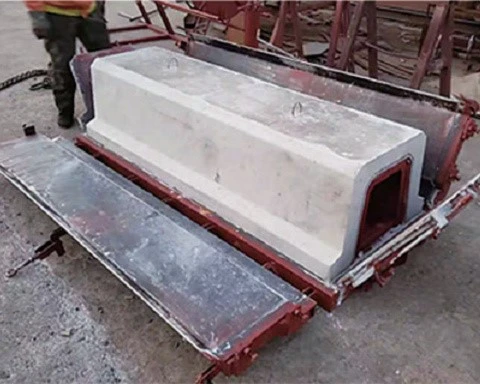

As a Rectangular Groove Mold supplier, we are committed to providing our customers with high - quality molds and innovative solutions to meet their cooling performance requirements. If you are interested in our products or have any questions about improving the cooling performance of your molds, please feel free to contact us for further discussion and procurement negotiation. We look forward to working with you to achieve your manufacturing goals.
References
- Beecher, J. F. (2002). Injection Molding Handbook. Hanser Gardner Publications.
- Rosato, D. V., & Rosato, D. P. (2000). Injection Molding Technology. Kluwer Academic Publishers.
- Tadmor, Z., & Gogos, C. G. (2006). Principles of Polymer Processing. Wiley - Interscience.