

Hey there! As a Pipeline Mold supplier, I've seen firsthand the importance of energy efficiency in the production process. Not only does it save costs, but it also contributes to a more sustainable environment. In this blog, I'm gonna share some tips on how to improve the energy efficiency of a pipeline mold production process.
1. Optimize the Design of Pipeline Molds
The first step in improving energy efficiency is to focus on the design of the pipeline molds. A well - designed mold can reduce the amount of energy needed during the production process. For example, we can use advanced computer - aided design (CAD) software to create molds with more precise dimensions. This reduces the need for excessive machining and material removal, which in turn saves energy.
When designing the mold, we should also consider the flow of materials. A mold with a smooth and efficient material flow path allows the molten material to fill the mold cavity more quickly and evenly. This means less energy is wasted on forcing the material through narrow or poorly designed channels. For instance, in the case of Cement Pipe Mold, a proper design can ensure that the cement mixture spreads uniformly without the need for high - pressure injection, which consumes a lot of energy.
2. Upgrade Production Equipment
Old and inefficient production equipment can be a major energy drain. It's essential to regularly assess and upgrade our machinery. Newer models of injection molding machines, for example, are often equipped with advanced technologies that improve energy efficiency. They may have better insulation to reduce heat loss, more efficient motors, and intelligent control systems that adjust the energy consumption based on the production requirements.
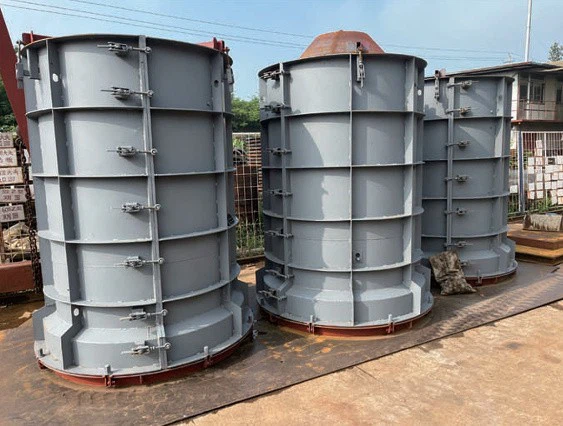

For Roller Suspension Pipe Mold production, modern roller equipment can be more energy - efficient. These new rollers may have lower friction coefficients, which means less energy is needed to rotate them. Additionally, they can be designed to operate at optimal speeds, reducing unnecessary energy consumption.
3. Implement Energy Management Systems
An energy management system (EMS) can be a game - changer in improving energy efficiency. An EMS allows us to monitor and control the energy consumption of our production process in real - time. We can set up sensors throughout the production line to measure variables such as power usage, temperature, and pressure.
With this data, we can identify areas where energy is being wasted. For example, if a particular machine is consuming more energy than normal, we can investigate the cause, whether it's a malfunction or an inefficient operating mode. The EMS can also be programmed to automatically adjust the energy supply to different parts of the production process based on the actual demand. This way, we're not using more energy than necessary at any given time.
4. Improve the Heating and Cooling Processes
Heating and cooling are crucial steps in pipeline mold production, but they can also be energy - intensive. To improve energy efficiency, we can use more efficient heating elements. For example, instead of traditional resistance heaters, we can consider using induction heating, which is more targeted and efficient. Induction heating heats the mold directly, reducing heat loss to the surrounding environment.
In terms of cooling, we can implement a closed - loop cooling system. This system recirculates the cooling water, reducing the amount of fresh water needed and also saving energy on pumping. By maintaining an optimal cooling rate, we can ensure that the mold cools down quickly and uniformly, which is essential for the quality of the final product and also helps to save energy in the long run.
5. Train Employees on Energy - Saving Practices
Our employees play a vital role in energy efficiency. They are the ones operating the equipment on a daily basis, so it's important to train them on energy - saving practices. We can provide training sessions on how to operate the machinery in the most energy - efficient way. For example, they should be taught to turn off equipment when it's not in use, even for short periods.
Employees can also be encouraged to report any energy - related issues they notice, such as abnormal heat loss or excessive noise from a machine, which could indicate an energy - wasting problem. By creating a culture of energy awareness among our workforce, we can make significant improvements in overall energy efficiency.
6. Use Renewable Energy Sources
In addition to improving the efficiency of our production process, we can also consider using renewable energy sources. Solar panels can be installed on the roof of our production facility to generate electricity. This not only reduces our reliance on the grid but also helps to lower our carbon footprint.
If our location allows, we can also explore the possibility of using wind energy or hydropower. While the initial investment in renewable energy systems can be high, the long - term savings and environmental benefits are well worth it. For a Pipeline Mold supplier like us, it shows our commitment to sustainability and can also be a selling point for our customers.
7. Optimize Production Scheduling
Production scheduling can have a significant impact on energy efficiency. By grouping similar production tasks together, we can reduce the number of times the equipment needs to be set up and adjusted. This means less energy is wasted on warm - up and cool - down cycles.
For example, if we're producing different sizes of pipeline molds, we can schedule the production of similar - sized molds back - to - back. This way, we can keep the equipment running at a consistent level, which is more energy - efficient than constantly changing the settings.
Conclusion
Improving the energy efficiency of a pipeline mold production process is a multi - faceted task. It requires a combination of design optimization, equipment upgrades, energy management, employee training, and the use of renewable energy sources. By implementing these strategies, we can not only reduce our production costs but also contribute to a more sustainable future.
If you're in the market for high - quality and energy - efficient Pipeline Mold, we'd love to have a chat with you. Whether you need Cement Pipe Mold or Roller Suspension Pipe Mold, we're here to provide you with the best solutions. Contact us to start a procurement discussion and let's work together to build a more energy - efficient future.
References
- DOE (Department of Energy). (2023). Industrial Energy Efficiency Guide.
- ISO (International Organization for Standardization). (2022). ISO 50001: Energy Management Systems.
- Industry Research Reports on Pipeline Mold Production.