

Hey there! I'm a supplier of canal molds, and I know firsthand how important it is to minimize waste in the production process. Not only does it save money, but it's also better for the environment. In this blog post, I'll share some tips on how to reduce waste when using canal molds.
1. Opt for High - Quality Molds
First off, investing in high - quality canal molds is a no - brainer. When you buy a well - made mold, it lasts longer. Cheaper, low - quality molds might seem like a good deal at first, but they wear out quickly. This means you'll have to replace them more often, which creates a lot of waste.
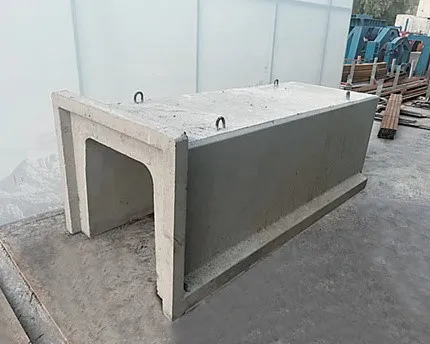
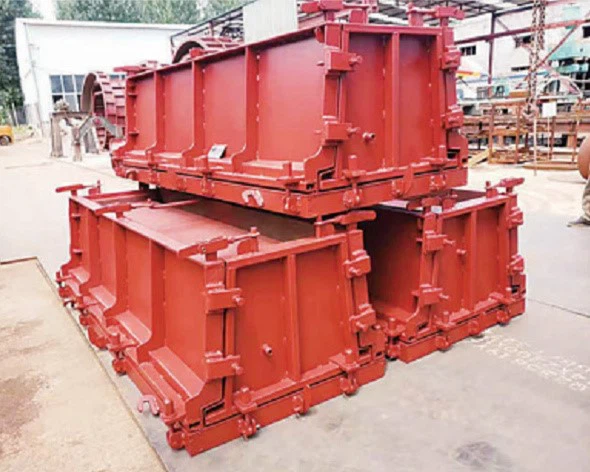
For example, our U - shaped Groove Mold is crafted from top - notch materials. It can withstand multiple uses without losing its shape or quality. This reduces the need for frequent replacements and cuts down on waste. The same goes for our Farmland Irrigation Canal Mold and Rectangular Groove Mold. These molds are built to last, so you won't be throwing away old, worn - out molds every few months.
2. Plan Your Production Wisely
Another key thing is to plan your production carefully. Before you start making canal components with the molds, take the time to figure out exactly how many you need. Overproduction is a major source of waste. If you make more canal pieces than you actually need, the extras will just sit around and eventually become scrap.
Make a detailed production schedule. Consider factors like the size of the project, the expected demand, and any potential changes in requirements. By having a clear plan, you can ensure that you're using the molds efficiently and not creating unnecessary waste. For instance, if you're working on a small - scale farmland irrigation project, don't overestimate the number of canal sections you'll need. Use our Farmland Irrigation Canal Mold to produce only the right amount.
3. Proper Maintenance of Molds
Taking good care of your canal molds is crucial for waste reduction. Regular maintenance keeps the molds in good working condition, which means they'll produce high - quality canal pieces for a longer time.
Clean the molds after each use. Remove any leftover concrete, dirt, or debris. This prevents build - up that can damage the mold's surface and affect the quality of the final product. You can use appropriate cleaning agents and tools to get the job done.
Also, inspect the molds regularly for any signs of wear or damage. If you notice a small crack or a dent, fix it right away. Minor repairs can extend the life of the mold significantly. For example, if you see a small scratch on our Rectangular Groove Mold, you can use a suitable filler to repair it instead of discarding the whole mold.
4. Recycling and Reusing Materials
When it comes to waste management, recycling and reusing materials are great strategies. If you have any leftover concrete from the canal - making process, don't just throw it away. You can reuse it in other small projects or mix it with new concrete in the right proportions.
Also, if a mold reaches the end of its useful life, see if there are parts of it that can be recycled. Some of the metal or plastic components can often be melted down and used to make new molds or other products. This not only reduces waste but also saves on raw material costs.
5. Employee Training
Your employees play a big role in waste reduction. Make sure they're trained on the proper use of the canal molds. Teach them how to operate the equipment correctly, how to clean and maintain the molds, and how to avoid overproduction.
When employees are well - trained, they're more likely to use the molds efficiently. They'll be able to spot potential problems early on and take the necessary steps to prevent waste. For example, if an employee knows how to properly release the canal piece from the mold without causing damage, it reduces the chances of having to discard a defective product.
6. Use of Technology
Leverage technology to minimize waste. There are advanced software tools available that can help you optimize your production process. These tools can analyze data related to production volume, mold usage, and material consumption.
Based on this analysis, you can make informed decisions about how to adjust your production. For example, you can use software to predict the optimal number of canal pieces to produce based on historical data and current demand. This way, you can avoid over - or under - production and reduce waste.
7. Collaborate with Suppliers and Customers
Work closely with your suppliers and customers. Suppliers can provide you with better - quality materials and offer suggestions on waste - reduction strategies. For example, they might be able to recommend more eco - friendly materials for your molds.
Customers can also play a role. Have open communication with them to understand their exact needs. This can help you produce the right amount of canal components, reducing waste. If a customer has a change in their requirements, you can adjust your production accordingly without creating a lot of extra waste.
In conclusion, minimizing waste generated by canal molds is a multi - faceted approach. By investing in high - quality molds, planning production carefully, maintaining the molds properly, recycling and reusing materials, training employees, using technology, and collaborating with others, you can significantly reduce waste. This not only benefits your bottom line but also has a positive impact on the environment.
If you're interested in our canal molds or have any questions about waste reduction in the canal - mold production process, feel free to reach out. We're here to help you make the most of your investment and minimize waste.
References
- Smith, J. (2020). Best Practices in Mold Manufacturing and Waste Management. Journal of Manufacturing Efficiency.
- Brown, A. (2019). The Impact of High - Quality Molds on Production Waste. Industrial Production Review.