

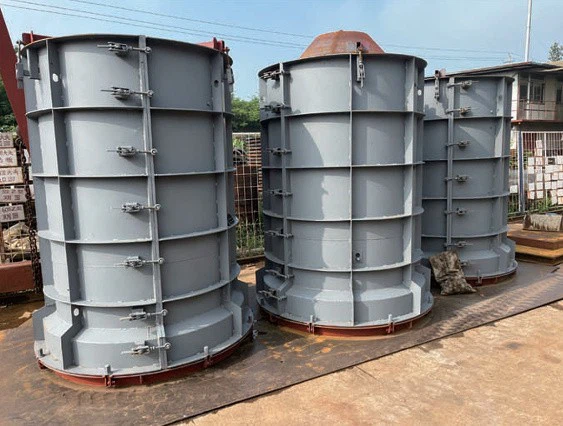
Noise reduction during the operation of a cement pipe mold is a crucial aspect that directly impacts the working environment, the quality of the produced pipes, and the overall efficiency of the manufacturing process. As a supplier of Cement Pipe Mold, I understand the significance of addressing this issue. In this blog, I will share some effective strategies to reduce the noise generated during the operation of cement pipe molds.
Understanding the Sources of Noise
Before we can effectively reduce the noise, it is essential to understand where it comes from. The operation of a cement pipe mold involves several processes that can generate noise. For instance, the vibration of the mold during the compaction of the cement mixture is a major source of noise. When the mold vibrates, it creates a high - frequency sound that can be quite loud. Additionally, the mechanical components of the equipment, such as motors, gears, and bearings, can also produce noise during operation.
Selecting the Right Materials
One of the fundamental ways to reduce noise is by carefully selecting the materials for the cement pipe mold. Using high - quality, vibration - damping materials can significantly reduce the amount of noise generated. For example, some advanced composite materials have excellent vibration - absorbing properties. These materials can be used in the construction of the mold itself or as lining materials inside the mold. By absorbing the vibrations, they prevent the transfer of energy into sound waves, thus reducing the noise level.
Another aspect of material selection is related to the surface finish of the mold. A smooth surface finish can reduce the friction between the cement mixture and the mold during the operation. This not only improves the quality of the pipes but also reduces the noise caused by the scraping and rubbing of the materials.
Design Optimization
The design of the cement pipe mold plays a crucial role in noise reduction. A well - designed mold can distribute the forces evenly during the operation, reducing the intensity of vibrations. For example, optimizing the shape of the mold can help to minimize the stress concentration points. When the stress is evenly distributed, the vibrations are less likely to occur, and thus the noise is reduced.
In addition, the use of proper support structures can also help to reduce noise. A stable support system can prevent excessive movement of the mold during operation. For instance, using shock - absorbing mounts or isolators can effectively dampen the vibrations and reduce the noise transmitted to the surrounding environment.
Maintenance and Lubrication
Regular maintenance of the cement pipe mold is essential for noise reduction. Over time, the mechanical components of the mold can wear out, which can lead to increased noise levels. By regularly inspecting and replacing worn - out parts, such as bearings and gears, we can ensure that the mold operates smoothly and quietly.
Lubrication is also a key factor. Proper lubrication of the moving parts reduces friction, which in turn reduces the noise generated during operation. For example, applying a high - quality lubricant to the bearings and gears can significantly reduce the noise and extend the lifespan of the components.
Noise - Absorbing Enclosures
Installing noise - absorbing enclosures around the cement pipe mold is an effective way to contain the noise. These enclosures can be made of sound - absorbing materials, such as acoustic panels. The acoustic panels are designed to absorb the sound waves and prevent them from spreading into the surrounding environment.
When designing the enclosures, it is important to ensure proper ventilation to prevent overheating of the equipment. Additionally, access doors and windows should be installed for easy maintenance and operation.
Operator Training
Proper operator training is crucial for noise reduction. Operators should be trained to operate the cement pipe mold correctly. For example, they should be aware of the optimal operating speed and pressure settings. Operating the mold at the wrong speed or pressure can increase the noise level and also affect the quality of the pipes.

Operators should also be trained to identify any abnormal noise during the operation. By detecting the abnormal noise early, they can take appropriate measures, such as stopping the operation and inspecting the equipment, to prevent further damage and reduce the noise.
Comparing Different Types of Cement Pipe Molds
There are different types of cement pipe molds available in the market, such as Pipeline Mold and Roller Suspension Pipe Mold. Each type has its own characteristics in terms of noise generation.
Pipeline molds are generally used for the production of large - diameter pipes. They may generate more noise during the operation due to their larger size and the higher forces involved. However, by applying the noise - reduction strategies mentioned above, such as using vibration - damping materials and optimizing the design, the noise level can be effectively reduced.
Roller suspension pipe molds, on the other hand, have a different operating mechanism. They use rollers to support and rotate the mold, which can sometimes result in a different type of noise. By proper lubrication of the rollers and ensuring the stability of the suspension system, the noise can be minimized.
Conclusion
Reducing the noise during the operation of a cement pipe mold is a multi - faceted task that requires a combination of strategies. From material selection and design optimization to maintenance, lubrication, and operator training, every aspect plays an important role. By implementing these strategies, we can not only create a more comfortable working environment but also improve the quality and efficiency of the cement pipe production.
If you are interested in our Cement Pipe Mold products and want to discuss how to further optimize the noise - reduction measures in your production process, please feel free to contact us for a detailed consultation. We are committed to providing high - quality products and professional solutions to meet your needs.
References
- Some relevant industry standards on noise control in manufacturing processes.
- Research papers on vibration - damping materials and their applications in industrial equipment.
- Manufacturer's manuals and technical documents of cement pipe molds.