

As a seasoned supplier of turnover machines, I understand the importance of maintaining these essential pieces of equipment. Over time, key components of a turnover machine may wear out or become damaged, necessitating replacement. In this blog post, I'll guide you through the process of replacing the key components of a turnover machine, ensuring that your operations run smoothly and efficiently.
Understanding the Turnover Machine
Before diving into the replacement process, it's crucial to have a basic understanding of the turnover machine and its key components. Turnover machines are designed to rotate heavy loads, such as prefabricated components, hydraulic cement products, and more, by 180 degrees or other specified angles. They are widely used in industries such as construction, manufacturing, and logistics.
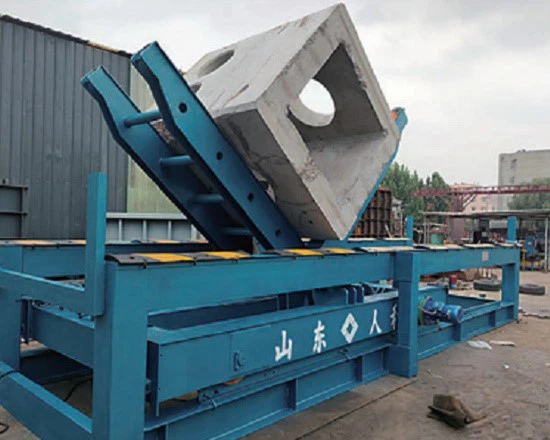

There are different types of turnover machines available in the market, including the 180-degree Turnover Machine, Prefabricated Turnover Machine, and Hydraulic Cement Turnover Machine. Each type has its own unique features and components, but the general principles of component replacement remain similar.
Key Components of a Turnover Machine
The key components of a turnover machine typically include:
- Frame and Structure: The frame provides the foundation and support for the entire machine. It is usually made of high-strength steel to withstand the heavy loads and forces during operation.
- Rotating Mechanism: This mechanism is responsible for rotating the load. It can be powered by hydraulic cylinders, electric motors, or a combination of both.
- Clamping System: The clamping system holds the load securely in place during rotation. It may consist of hydraulic clamps, mechanical clamps, or a combination of both.
- Control System: The control system allows the operator to control the movement and operation of the turnover machine. It includes buttons, switches, sensors, and a programmable logic controller (PLC).
- Hydraulic System (if applicable): In hydraulic turnover machines, the hydraulic system provides the power to operate the rotating mechanism and clamping system. It includes a hydraulic pump, valves, cylinders, and hoses.
Preparing for Component Replacement
Before replacing any components, it's important to take the following steps:
- Safety First: Ensure that the turnover machine is turned off and disconnected from the power source. Wear appropriate personal protective equipment (PPE), such as safety glasses, gloves, and hard hats.
- Gather Tools and Materials: Collect all the necessary tools and materials for the replacement process. This may include wrenches, screwdrivers, hydraulic fluid, replacement components, and a hoist or crane if needed.
- Refer to the Manual: Consult the turnover machine's user manual for specific instructions on component replacement. The manual will provide detailed diagrams, torque specifications, and safety precautions.
- Inspect the Machine: Conduct a thorough inspection of the turnover machine to identify any other potential issues or damage. This will help you address all problems at once and prevent future breakdowns.
Replacing the Key Components
The following is a general guide on how to replace the key components of a turnover machine:
1. Frame and Structure
- Inspect the Frame: Check the frame for any signs of damage, such as cracks, bends, or corrosion. If any damage is found, it may be necessary to repair or replace the affected parts.
- Remove the Old Component: Use appropriate tools to remove the old frame component, such as bolts, nuts, or welding. Be careful not to damage any other parts of the machine during the removal process.
- Install the New Component: Position the new frame component in place and secure it using the same bolts, nuts, or welding method. Make sure the component is properly aligned and tightened to the specified torque.
- Test the Machine: After installing the new frame component, test the turnover machine to ensure that it operates smoothly and safely.
2. Rotating Mechanism
- Identify the Problem: Determine the cause of the problem with the rotating mechanism. It could be a worn-out bearing, a damaged gear, or a malfunctioning motor.
- Remove the Old Component: Disconnect the power source and hydraulic lines (if applicable) from the rotating mechanism. Use appropriate tools to remove the old component, such as bolts, nuts, or couplings.
- Install the New Component: Install the new rotating mechanism component in place and reconnect the power source and hydraulic lines. Make sure the component is properly aligned and tightened to the specified torque.
- Test the Rotation: Turn on the turnover machine and test the rotation of the load. Check for any abnormal noises, vibrations, or movements. If any issues are found, stop the machine immediately and troubleshoot the problem.
3. Clamping System
- Check the Clamps: Inspect the clamping system for any signs of wear, damage, or misalignment. If any problems are found, it may be necessary to replace the clamps or adjust their position.
- Remove the Old Clamps: Use appropriate tools to remove the old clamps from the turnover machine. Be careful not to damage any other parts of the machine during the removal process.
- Install the New Clamps: Install the new clamps in place and adjust their position to ensure a secure fit. Make sure the clamps are properly tightened to the specified torque.
- Test the Clamping: Place a test load on the turnover machine and activate the clamping system. Check that the load is securely held in place during rotation. If any issues are found, adjust the clamps or replace them if necessary.
4. Control System
- Diagnose the Problem: Use diagnostic tools or the turnover machine's built-in diagnostic system to identify the problem with the control system. It could be a faulty sensor, a malfunctioning PLC, or a wiring issue.
- Remove the Old Component: Disconnect the power source and remove the old control system component, such as a sensor, switch, or PLC. Be careful not to damage any other parts of the machine during the removal process.
- Install the New Component: Install the new control system component in place and reconnect the wiring. Make sure the component is properly programmed and configured according to the turnover machine's specifications.
- Test the Control System: Turn on the turnover machine and test the control system. Check that all functions, such as rotation, clamping, and emergency stop, work properly. If any issues are found, troubleshoot the problem or consult a professional technician.
5. Hydraulic System (if applicable)
- Drain the Hydraulic Fluid: Before replacing any hydraulic components, drain the hydraulic fluid from the system. Use a suitable container to collect the fluid and dispose of it properly according to environmental regulations.
- Remove the Old Component: Use appropriate tools to remove the old hydraulic component, such as a pump, valve, cylinder, or hose. Be careful not to spill any hydraulic fluid during the removal process.
- Install the New Component: Install the new hydraulic component in place and reconnect the hoses. Make sure the component is properly tightened to the specified torque.
- Fill the Hydraulic System: Fill the hydraulic system with the recommended hydraulic fluid to the appropriate level. Bleed the system to remove any air bubbles.
- Test the Hydraulic System: Turn on the turnover machine and test the hydraulic system. Check for any leaks, abnormal noises, or movements. If any issues are found, stop the machine immediately and troubleshoot the problem.
Post-Replacement Checks
After replacing the key components of the turnover machine, it's important to perform the following checks:
- Functionality Test: Test the turnover machine to ensure that all functions, such as rotation, clamping, and control, work properly. Check for any abnormal noises, vibrations, or movements.
- Safety Checks: Inspect the turnover machine for any safety hazards, such as loose bolts, exposed wires, or malfunctioning safety devices. Make sure all safety guards and covers are in place and functioning properly.
- Maintenance Schedule: Update the turnover machine's maintenance schedule to include the replacement of the key components. Regular maintenance will help prevent future breakdowns and ensure the long-term reliability of the machine.
Conclusion
Replacing the key components of a turnover machine is a complex process that requires careful planning, preparation, and execution. By following the steps outlined in this blog post and referring to the turnover machine's user manual, you can ensure that the replacement process is carried out safely and efficiently.
If you have any questions or need further assistance with replacing the key components of your turnover machine, please don't hesitate to contact us. As a leading supplier of turnover machines, we have the expertise and experience to provide you with the best solutions for your needs. We also offer a wide range of high-quality replacement components and professional maintenance services to keep your turnover machine running smoothly.
Contact us today to discuss your requirements and explore how we can help you optimize your turnover machine's performance.
References
- Manufacturer's User Manual for the Turnover Machine
- Industry Standards and Guidelines for Turnover Machine Maintenance and Repair