

Hey there! As a supplier of rainwater pipeline molds, I've seen my fair share of problems with these molds over the years. In this blog post, I'm gonna share some tips on how to solve the common issues that can crop up with rainwater pipeline molds.
1. Rust and Corrosion
One of the most common problems with rainwater pipeline molds is rust and corrosion. Since these molds are often exposed to water and moisture, they're prone to rusting, which can affect the quality of the pipes produced.
Solution:
- Regular Cleaning and Maintenance: Make sure to clean the molds thoroughly after each use. Use a mild detergent and a soft brush to remove any dirt, debris, or cement residue. After cleaning, dry the molds completely to prevent moisture from lingering.
- Apply a Protective Coating: A good way to prevent rust and corrosion is to apply a protective coating to the molds. There are various types of coatings available in the market, such as epoxy coatings or zinc-rich primers. These coatings create a barrier between the metal surface of the mold and the environment, preventing rust from forming.
- Store the Molds Properly: When the molds are not in use, store them in a dry and well - ventilated area. Avoid storing them in places where they can be exposed to rain or high humidity. You can also cover the molds with a plastic sheet to provide an extra layer of protection.
2. Wear and Tear
Rainwater pipeline molds are subjected to a lot of stress during the pipe - making process. The constant pressure, vibration, and friction can cause wear and tear on the molds, leading to a decrease in the quality of the pipes.
Solution:
- Inspect the Molds Regularly: Set up a regular inspection schedule for the molds. Check for signs of wear, such as cracks, dents, or uneven surfaces. If you notice any issues, address them immediately to prevent further damage.
- Replace Worn - Out Parts: Some parts of the mold, such as the gaskets or the locking mechanisms, may wear out faster than others. Keep a stock of spare parts and replace them as soon as they start to show signs of wear. This will help to maintain the integrity of the mold and ensure that the pipes produced are of high quality.
- Use High - Quality Materials: When manufacturing or purchasing rainwater pipeline molds, opt for high - quality materials. High - grade steel or cast iron molds are more durable and resistant to wear and tear compared to lower - quality materials.
3. Inaccurate Dimensions
Another problem that can occur with rainwater pipeline molds is inaccurate dimensions. This can lead to pipes that do not fit properly during installation, causing leaks and other issues.
Solution:
- Calibrate the Molds Regularly: Use precision measuring tools to calibrate the molds on a regular basis. Make sure that all the dimensions of the mold, including the diameter, length, and wall thickness, are within the specified tolerance limits.
- Follow the Manufacturing Standards: Ensure that the molds are manufactured according to the relevant industry standards. This will help to ensure that the pipes produced using the molds meet the required specifications.
- Conduct Quality Control Checks: Implement a strict quality control process during the pipe - making process. Check the dimensions of the pipes produced using the molds at regular intervals to ensure that they are accurate.
4. Poor Surface Finish
A poor surface finish on the pipes can affect their appearance and performance. It can also make the pipes more prone to corrosion and other problems.
Solution:
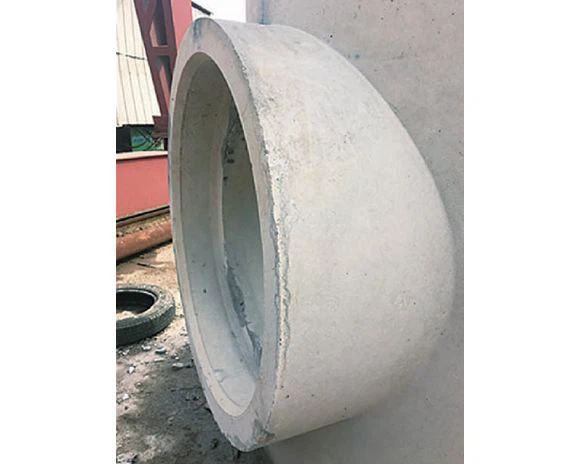

- Polish the Molds: Regularly polish the inner surface of the molds to achieve a smooth finish. You can use a polishing compound and a buffing wheel to remove any rough spots or scratches on the mold surface.
- Use a Release Agent: Applying a release agent to the mold surface before pouring the cement can help to improve the surface finish of the pipes. The release agent prevents the cement from sticking to the mold, resulting in a smoother and more uniform surface.
- Optimize the Pouring Process: The way the cement is poured into the mold can also affect the surface finish of the pipes. Make sure to pour the cement slowly and evenly to avoid air bubbles and other defects.
5. Clogging
Clogging of the rainwater pipeline molds can occur due to the accumulation of cement, dirt, or other debris. This can affect the flow of the cement during the pipe - making process and lead to defective pipes.
Solution:
- Flush the Molds: After each use, flush the molds with water to remove any loose debris. You can use a high - pressure water jet to clean the internal channels of the mold more effectively.
- Use a Cleaning Solution: For stubborn clogs, you can use a mild cleaning solution to dissolve the cement or other debris. Make sure to follow the manufacturer's instructions when using the cleaning solution and rinse the molds thoroughly after cleaning.
- Install Filters: Consider installing filters in the cement - pouring system to prevent large particles from entering the mold. This can help to reduce the risk of clogging.
Our Product Range
At our company, we offer a wide range of rainwater pipeline molds to meet different customer needs. We have Mold for Socket and Spigot Cement Pipe, which are designed for pipes with a socket and spigot joint. These molds ensure a tight and secure connection between the pipes, reducing the risk of leaks.
We also have Mold for Plain - ended Cement Pipe, which are suitable for applications where a simple and straightforward pipe design is required. And our Spigot Cement Pipe Mold is perfect for producing pipes with a spigot end, which can be used in various drainage systems.
Conclusion
Solving the problems of rainwater pipeline molds requires a combination of regular maintenance, proper usage, and high - quality materials. By following the tips and solutions outlined in this blog post, you can ensure that your rainwater pipeline molds are in good condition and produce high - quality pipes.
If you're in the market for rainwater pipeline molds or have any questions about mold maintenance and problem - solving, feel free to get in touch with us. We're always here to help you find the best solutions for your needs.
References
- "Handbook of Pipe Manufacturing" - This book provides in - depth knowledge about the pipe - making process and the molds used.
- Industry reports on the manufacturing of rainwater pipeline molds, which offer insights into the latest trends and best practices.