

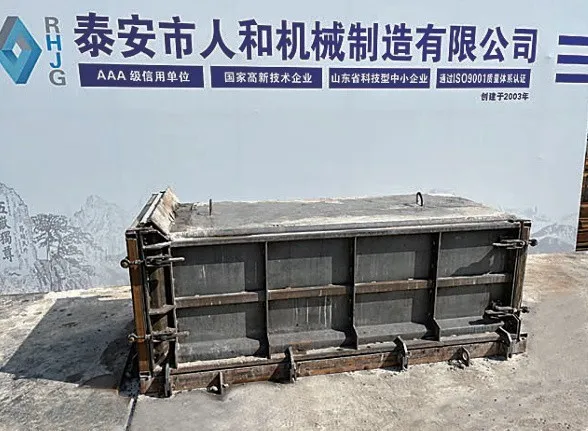
As a reputable supplier of Arched Cable Trench Molds, I understand the significance of proper storage for these essential tools. The longevity and performance of the molds are highly dependent on how they are stored. In this blog, I will share some scientific and practical methods for storing arched cable trench molds properly.
1. Cleaning Before Storage
Before storing the arched cable trench molds, a thorough cleaning is essential. Residues from concrete, dirt, and other debris can accumulate on the surface of the molds during use. These residues not only affect the appearance of the molds but can also cause corrosion and damage over time.
First, use a high - pressure water jet to remove loose dirt and large particles from the mold surface. Then, apply a suitable cleaning agent. For example, a mild alkaline cleaner can effectively dissolve concrete residues. After applying the cleaner, scrub the mold surface with a stiff brush to ensure that all residues are removed. Rinse the mold thoroughly with clean water to remove the cleaning agent and any remaining debris.
2. Drying the Molds
After cleaning, it is crucial to dry the arched cable trench molds completely. Moisture left on the mold surface can lead to rust and corrosion, especially if the molds are made of metal. Place the molds in a well - ventilated area with good air circulation. If possible, use fans to speed up the drying process. Avoid direct sunlight exposure, as it can cause the mold material to warp or degrade. Make sure that all parts of the mold, including corners and crevices, are completely dry before proceeding to the next step.

3. Applying a Protective Coating
To prevent rust and corrosion, applying a protective coating to the mold surface is highly recommended. There are various types of protective coatings available, such as anti - rust paints and lubricants. Anti - rust paints form a protective layer on the mold surface, preventing oxygen and moisture from coming into contact with the metal. Lubricants, on the other hand, not only protect the mold from rust but also make it easier to release the concrete products during the next use.
Before applying the protective coating, make sure the mold surface is clean and dry. Use a brush or a spray gun to apply the coating evenly. Pay special attention to areas that are prone to corrosion, such as edges and welds. Allow the coating to dry completely according to the manufacturer's instructions.
4. Storage Location
The choice of storage location is critical for the proper storage of arched cable trench molds. The storage area should be dry, clean, and well - ventilated. Avoid storing the molds in areas with high humidity, as it can accelerate rust and corrosion. A warehouse with a controlled environment is ideal.
The storage area should also be free from sharp objects and heavy machinery that could damage the molds. Stack the molds carefully to prevent them from being crushed or deformed. If possible, use storage racks to keep the molds organized and off the ground. This helps to prevent moisture from seeping into the molds and also makes it easier to access them when needed.
5. Stacking and Support
When stacking the arched cable trench molds, it is important to ensure proper support. Place a flat and sturdy base under the bottom mold to distribute the weight evenly. Stack the molds in a stable manner, making sure that they are aligned properly. Avoid over - stacking, as it can cause the molds at the bottom to deform or break.
If the molds have complex shapes or delicate parts, use additional support materials such as foam pads or wooden blocks to protect them. This helps to prevent damage during storage and transportation.
6. Regular Inspection
Even when the molds are in storage, regular inspection is necessary. Check the molds for any signs of damage, such as cracks, rust, or deformation. Inspect the protective coating to ensure that it is still intact. If any issues are found, take appropriate measures to repair or replace the damaged parts.
Regular inspection also helps to identify any potential problems early on, which can save time and money in the long run. Make a schedule for inspection and keep a record of the inspection results.
7. Comparison with Other Cable Trench Molds
In the market, there are different types of cable trench molds, such as Cast-in-Place Cable Trench Mold, Arched Cable Trench Mold, and U-shaped Cable Trench Mold. Each type of mold has its own characteristics, and the storage methods may vary slightly.
For example, cast - in - place cable trench molds are often used for on - site construction. They are usually larger and more complex in structure. The storage of these molds requires more space and careful handling to prevent damage. U - shaped cable trench molds, on the other hand, have a relatively simple shape, but they still need to be stored properly to maintain their performance.
Compared with these molds, arched cable trench molds have a unique shape that requires special attention during storage. The arched design may make the molds more prone to deformation if not stored correctly. Therefore, following the proper storage methods is even more important for arched cable trench molds.
8. Conclusion
Proper storage of arched cable trench molds is essential for their longevity and performance. By following the steps of cleaning, drying, applying a protective coating, choosing the right storage location, stacking and supporting the molds properly, and conducting regular inspections, you can ensure that your molds remain in good condition for a long time.
If you are in the market for high - quality arched cable trench molds or need more information about mold storage, please feel free to contact us. We are committed to providing you with the best products and services. Let's work together to meet your cable trench mold needs.
References
- "Mold Maintenance and Storage Guidelines" - Industry Standard Handbook
- "Best Practices for Storing Construction Molds" - Construction Materials Journal