

As a supplier of Spigot Cement Pipe Molds, I often encounter inquiries from customers regarding the ease of disassembly of these molds. This question is crucial as it directly impacts the efficiency of the production process, maintenance, and overall cost - effectiveness. In this blog, I will delve into the factors that determine the disassembly ease of Spigot Cement Pipe Molds and share insights from my experience in the industry.
Understanding Spigot Cement Pipe Molds
Spigot Cement Pipe Molds are essential tools in the manufacturing of cement pipes with a spigot - and - socket joint design. These molds are typically made from high - quality steel or other durable materials to withstand the pressure and wear during the pipe - making process. The spigot end of the mold is designed to create the male part of the pipe joint, while the socket end forms the female part, allowing for easy connection of pipes during installation.
The Spigot Cement Pipe Mold is a specialized piece of equipment that requires careful handling and proper disassembly to ensure its longevity and continued performance.
Factors Affecting Disassembly Ease
Design of the Mold
One of the primary factors that determine the ease of disassembly is the design of the Spigot Cement Pipe Mold. A well - designed mold will have clear separation points and easy - to - access fasteners. For example, some molds are designed with a split - type structure, where the mold can be easily separated into two or more parts. This design allows for quick and straightforward disassembly, reducing the time and effort required.

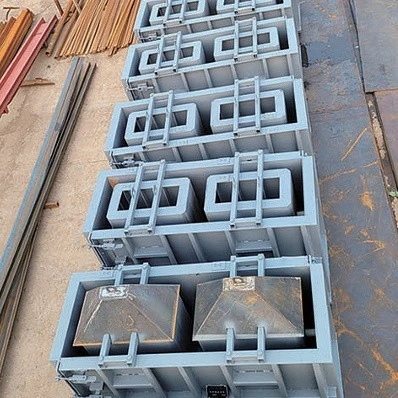
On the other hand, a poorly designed mold may have complex interlocking parts or hidden fasteners, making disassembly a challenging and time - consuming task. In such cases, workers may need to use specialized tools and techniques to separate the mold components, which can increase the risk of damage to the mold.
Material and Surface Finish
The material used in the construction of the mold and its surface finish also play a significant role in disassembly ease. High - quality steel molds with a smooth surface finish are less likely to stick to the cement during the curing process. This reduces the adhesion between the mold and the pipe, making it easier to remove the mold once the pipe is formed.
In contrast, molds made from low - quality materials or with a rough surface finish may cause the cement to adhere firmly to the mold. This can make disassembly difficult and may require additional force or the use of release agents to separate the mold from the pipe.
Maintenance and Cleaning
Regular maintenance and cleaning of the Spigot Cement Pipe Mold are essential for ensuring easy disassembly. Over time, cement residue can accumulate on the mold surface, which can increase adhesion and make disassembly more challenging. By regularly cleaning the mold after each use and applying a suitable release agent, the adhesion between the mold and the pipe can be minimized.
Proper maintenance also includes checking and tightening the fasteners, lubricating moving parts, and inspecting the mold for any signs of wear or damage. A well - maintained mold will not only be easier to disassemble but will also have a longer service life.
Advantages of Easy - to - Disassemble Molds
Increased Production Efficiency
Easy - to - disassemble Spigot Cement Pipe Molds can significantly increase production efficiency. When the mold can be quickly disassembled, the time between pipe production cycles is reduced. This allows for more pipes to be produced in a given period, increasing the overall output of the manufacturing process.
Reduced Labor Costs
The ease of disassembly also has a direct impact on labor costs. With easy - to - disassemble molds, less time and effort are required from workers to remove the molds from the pipes. This reduces the labor hours needed for the disassembly process, resulting in lower labor costs for the manufacturer.
Improved Mold Longevity
When a mold is easy to disassemble, there is less risk of damage during the disassembly process. This helps to extend the service life of the mold, reducing the need for frequent replacements. By investing in easy - to - disassemble molds, manufacturers can save on the cost of purchasing new molds over time.
Comparison with Other Types of Pipe Molds
Rainwater Pipeline Mold
The Rainwater Pipeline Mold is another type of mold used in the production of rainwater pipes. Similar to the Spigot Cement Pipe Mold, the ease of disassembly of the Rainwater Pipeline Mold depends on its design, material, and maintenance. However, due to the different shapes and sizes of rainwater pipes, the disassembly process may vary.
In general, if the Rainwater Pipeline Mold is designed with a simple and modular structure, it will be easier to disassemble. However, some rainwater pipeline molds may have more complex shapes, which can make disassembly more challenging compared to Spigot Cement Pipe Molds.
Rainwater Culvert Pipe Mold
The Rainwater Culvert Pipe Mold is used for manufacturing larger - diameter rainwater culvert pipes. These molds are often larger and heavier than Spigot Cement Pipe Molds, which can make disassembly more difficult.
However, modern Rainwater Culvert Pipe Molds are designed with features such as hydraulic or mechanical lifting systems to assist in the disassembly process. Despite their size, with proper design and equipment, the disassembly of Rainwater Culvert Pipe Molds can be made relatively easy.
Tips for Ensuring Easy Disassembly
Use of Release Agents
Applying a suitable release agent to the mold surface before pouring the cement is an effective way to reduce adhesion and make disassembly easier. There are various types of release agents available in the market, including oil - based, water - based, and silicone - based release agents. The choice of release agent depends on the type of mold material and the specific requirements of the manufacturing process.
Proper Training of Workers
Proper training of workers is crucial for ensuring easy disassembly of the Spigot Cement Pipe Mold. Workers should be familiar with the mold design, the location of fasteners, and the correct disassembly procedures. By providing comprehensive training, the risk of damage to the mold during disassembly can be minimized.
Regular Inspection and Upgrades
Regular inspection of the mold for any signs of wear or damage is essential. If any parts of the mold are worn or damaged, they should be replaced promptly to ensure easy disassembly. Additionally, manufacturers should consider upgrading their molds to the latest designs to take advantage of new features that improve disassembly ease.
Conclusion
In conclusion, the ease of disassembly of a Spigot Cement Pipe Mold is determined by several factors, including its design, material, surface finish, and maintenance. A well - designed and properly maintained mold will be easier to disassemble, resulting in increased production efficiency, reduced labor costs, and improved mold longevity.
As a supplier of Spigot Cement Pipe Molds, I am committed to providing high - quality molds that are easy to disassemble. Our molds are designed with the latest technology and materials to ensure optimal performance and ease of use. If you are interested in purchasing Spigot Cement Pipe Molds or have any questions regarding their disassembly or other aspects, please feel free to contact us for further discussion and procurement negotiation.
References
- Industry reports on pipe mold manufacturing
- Technical manuals of Spigot Cement Pipe Molds
- Interviews with experienced pipe manufacturers