

As a provider of drainage canal molds, I've had the privilege of witnessing firsthand how these essential tools can transform construction projects. Drainage canal molds are crucial for creating efficient and durable water management systems, whether it's for urban infrastructure, agricultural fields, or industrial sites. In this blog, I'll share some of the best practices for using drainage canal molds in construction, drawing on my experience and industry knowledge.
Understanding the Types of Drainage Canal Molds
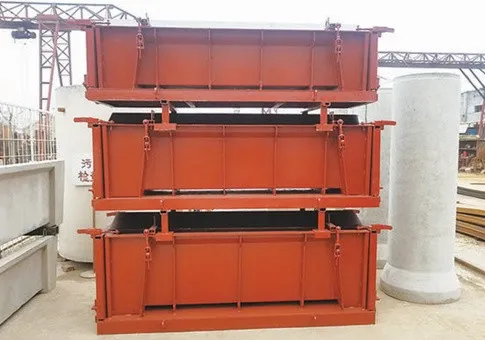
Before delving into the best practices, it's important to understand the different types of drainage canal molds available. Each type is designed for specific applications and requirements.
Flume Mold
Flume molds are commonly used for creating open channels that convey water. They are often used in irrigation systems, water treatment plants, and industrial facilities. Flume molds can be made from various materials, including plastic, fiberglass, and steel. You can learn more about flume molds here.
U-shaped Groove Mold
U-shaped groove molds are ideal for creating drainage channels with a U-shaped cross-section. These molds are commonly used in urban areas, such as sidewalks, parking lots, and roads, to collect and divert rainwater. U-shaped groove molds are typically made from high-density polyethylene (HDPE) or polypropylene (PP), which are durable and resistant to corrosion. For more information on U-shaped groove molds, visit this page.
Farmland Irrigation Canal Mold
Farmland irrigation canal molds are specifically designed for agricultural applications. These molds are used to create canals that deliver water to crops, ensuring proper irrigation and water management. Farmland irrigation canal molds can be customized to meet the specific needs of different farming operations. To explore farmland irrigation canal molds further, click here.
Best Practices for Using Drainage Canal Molds
Site Preparation
Proper site preparation is essential for the successful use of drainage canal molds. Before installing the molds, the site should be cleared of any debris, vegetation, or obstructions. The ground should be leveled and compacted to ensure a stable foundation for the molds. Additionally, the site should be graded to allow for proper water flow and drainage.
Mold Installation
When installing drainage canal molds, it's important to follow the manufacturer's instructions carefully. The molds should be placed on a level surface and secured in place using appropriate fasteners or anchors. The joints between the molds should be sealed to prevent leakage. It's also important to ensure that the molds are aligned correctly to ensure proper water flow and drainage.
Concrete Pouring
Once the molds are installed, the next step is to pour the concrete. It's important to use high-quality concrete that is suitable for the specific application. The concrete should be mixed thoroughly and poured into the molds in a consistent manner. It's important to avoid overfilling the molds, as this can cause the concrete to spill over and create a mess. Additionally, it's important to use a vibrator to remove any air bubbles from the concrete and ensure a smooth finish.
Curing
After the concrete is poured, it needs to be cured properly to ensure its strength and durability. Curing involves keeping the concrete moist and at a suitable temperature for a specific period of time. The curing time can vary depending on the type of concrete used and the environmental conditions. It's important to follow the manufacturer's instructions for curing the concrete to ensure optimal results.
Mold Removal
Once the concrete has cured, the molds can be removed. It's important to remove the molds carefully to avoid damaging the concrete. The molds should be removed in the same order as they were installed. After the molds are removed, the concrete should be inspected for any defects or damage. Any defects or damage should be repaired immediately to ensure the integrity of the drainage canal.
Maintenance
Proper maintenance is essential for the long-term performance of drainage canals. Regular inspections should be conducted to check for any signs of damage, such as cracks, leaks, or blockages. Any defects or damage should be repaired promptly to prevent further problems. Additionally, the drainage canals should be cleaned regularly to remove any debris or sediment that may accumulate over time.
Quality Control
Quality control is an important aspect of using drainage canal molds in construction. It's important to ensure that the molds are made from high-quality materials and meet the required specifications. The concrete used in the construction of the drainage canals should also be tested to ensure its strength and durability. Additionally, the installation of the molds and the construction of the drainage canals should be inspected regularly to ensure that they are being installed and constructed correctly.
Cost Considerations
When using drainage canal molds in construction, it's important to consider the cost. The cost of the molds, the concrete, and the installation can vary depending on the size and complexity of the project. It's important to get quotes from multiple suppliers and contractors to ensure that you are getting the best value for your money. Additionally, it's important to consider the long-term cost of maintenance and repair when making your decision.

Environmental Impact
The use of drainage canal molds in construction can have a significant environmental impact. It's important to consider the environmental impact of the materials used in the molds, the concrete, and the construction process. For example, using recycled materials in the molds and the concrete can reduce the environmental impact of the project. Additionally, the construction process should be designed to minimize the disruption to the natural environment.
Conclusion
Using drainage canal molds in construction can be a cost-effective and efficient way to create durable and efficient water management systems. By following the best practices outlined in this blog, you can ensure the successful use of drainage canal molds in your construction projects. Whether you're building an urban infrastructure project, an agricultural field, or an industrial site, drainage canal molds can help you create a reliable and sustainable water management system.
If you're interested in learning more about our drainage canal molds or would like to discuss your specific project requirements, please don't hesitate to contact us. We'd be happy to provide you with more information and help you find the right solution for your needs.
References
- Construction Materials Handbook: A Guide to Selection and Specification, 3rd Edition, by John P. Zaniewski and Ronald L. Holcomb
- Concrete Construction Engineering Handbook, 2nd Edition, by Edward G. Nawy
- Drainage Design Manual, by the Federal Highway Administration