

Hey there! As a supplier of Pipeline Molds, I've seen my fair share of issues with pipeline mold cooling systems. In this blog, I'm gonna talk about the common failures of these systems and how to fix 'em.
Common Failures of Pipeline Mold Cooling Systems
1. Clogging
One of the most common problems is clogging. Over time, debris, sediment, and even algae can build up in the cooling pipes. This restricts the flow of coolant, which means the mold doesn't get cooled properly. You might notice that the mold is taking longer to cool down, or the final product has uneven cooling marks.
The main causes of clogging can be poor water quality, lack of proper filtration, or long periods of inactivity. If the coolant water has a high level of minerals or dirt, it's more likely to leave deposits in the pipes. And if there's no good filtration system in place, these particles can easily make their way into the cooling system.
2. Leakage
Leakage is another headache. Coolant can leak from various parts of the system, like the joints, seals, or even the pipes themselves. A small leak might not seem like a big deal at first, but it can lead to a significant loss of coolant over time. This not only affects the cooling efficiency but can also cause damage to the surrounding equipment and the factory floor.
Leakage can be caused by wear and tear, improper installation, or high pressure in the system. If the seals are old or damaged, they won't be able to hold the coolant in. And if the pipes are installed incorrectly, they might be under stress, which can lead to cracks and leaks.
3. Pump Malfunctions
The pump is the heart of the cooling system. If it's not working properly, the coolant won't circulate effectively. Pump malfunctions can be due to a variety of reasons, such as mechanical failures, electrical problems, or cavitation.
Mechanical failures can occur when the pump's bearings wear out or the impeller gets damaged. Electrical problems, like a blown fuse or a faulty motor, can also stop the pump from working. Cavitation happens when the pressure in the pump drops too low, causing bubbles to form in the coolant. These bubbles can collapse and damage the pump components.
4. Temperature Control Issues
Maintaining the right temperature is crucial for the quality of the pipeline molds. But sometimes, the cooling system struggles to keep the temperature stable. This can result in overheating or under - cooling of the mold, which can affect the strength and appearance of the final product.
Temperature control issues can be caused by a faulty thermostat, improper sizing of the cooling system, or a problem with the heat exchanger. If the thermostat is not calibrated correctly, it won't be able to accurately measure and control the temperature. And if the cooling system is too small for the mold, it won't be able to remove enough heat.
How to Repair These Failures
1. Fixing Clogging
To deal with clogging, the first step is to clean the cooling pipes. You can use a chemical cleaner specifically designed for removing scale and debris. Make sure to follow the manufacturer's instructions when using these cleaners.
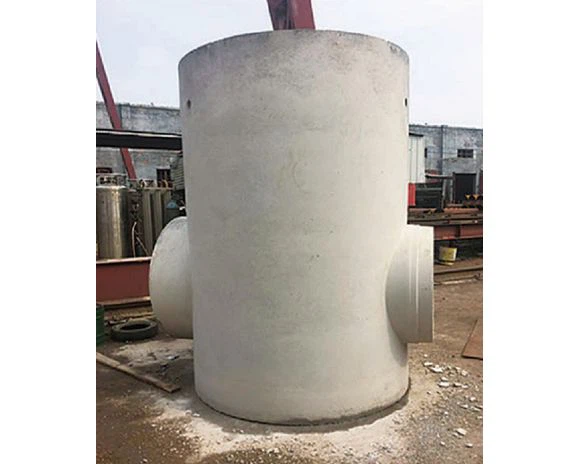
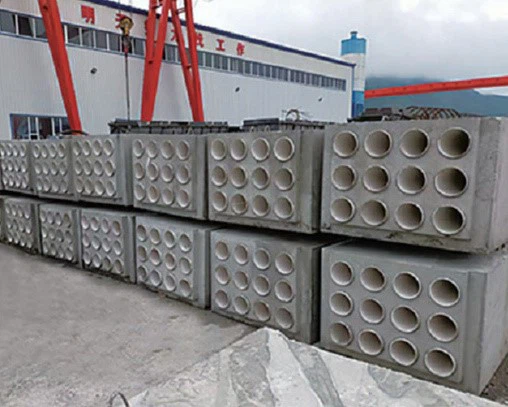
If the clogging is severe, you might need to physically remove the pipes and clean them manually. You can use a brush or a high - pressure water jet to get rid of the stubborn deposits. After cleaning, it's a good idea to install a better filtration system to prevent future clogging. You can check out our Pipeline Mold products, which are designed to work well with efficient cooling systems.
2. Repairing Leakage
When it comes to leakage, you need to locate the source of the leak first. If it's a leaky seal, you can simply replace it. Make sure to choose a seal that is compatible with the coolant and the operating conditions of the system.
For leaks in the pipes, you might need to patch them or replace the damaged section. If the leak is due to high pressure, you can adjust the pressure settings of the system. It's important to test the system after the repair to make sure there are no more leaks. Our Socket - and - Spigot Cement Pipe Mold is built with high - quality materials to minimize the risk of leakage in the cooling system.
3. Solving Pump Malfunctions
If the pump has a mechanical failure, you'll need to replace the damaged parts. This might involve replacing the bearings, the impeller, or other components. It's a good idea to have a spare pump on hand in case of emergencies.
For electrical problems, you should check the wiring, fuses, and the motor. If you're not familiar with electrical work, it's best to call a professional electrician. To prevent cavitation, you can increase the pressure at the pump inlet or adjust the flow rate of the coolant. Our Roller Suspension Pipe Mold is designed to work smoothly with a well - functioning cooling pump.
4. Resolving Temperature Control Issues
To fix temperature control issues, start by checking the thermostat. You can calibrate it or replace it if necessary. Make sure the heat exchanger is clean and functioning properly. If it's dirty, you can clean it using a suitable cleaning agent.
If the cooling system is undersized, you might need to upgrade it. Consult with a professional to determine the right size of the cooling system for your pipeline mold.
Conclusion
In conclusion, the cooling system of pipeline molds is a critical part of the manufacturing process. By being aware of the common failures and knowing how to repair them, you can ensure the smooth operation of your production line and the quality of your products.
If you're facing any issues with your pipeline mold cooling systems or are interested in our high - quality pipeline molds, don't hesitate to reach out for a purchase negotiation. We're here to help you get the best solutions for your business.
References
- "Handbook of Plastic Mold Design and Manufacturing"
- "Cooling System Design for Industrial Molds"