

Hey there! As a pipeline mold supplier, I've been through all sorts of scenarios when it comes to transporting these hefty pieces of equipment. It's not as simple as just loading them up and shipping them off. There are a ton of things to think about to make sure everything goes smoothly. So, in this blog, I'm gonna share some key considerations for pipeline mold transportation.
1. Size and Weight
Let's start with the obvious one - the size and weight of the pipeline molds. These things can be massive! When you're dealing with large molds, you've got to make sure your transport vehicle can handle the load. You can't just throw a huge, heavy mold on a small truck and expect it to work.
First off, check the dimensions of the mold. Measure the length, width, and height accurately. You need to know if it's going to fit on the flatbed or in the container you're planning to use. Some molds might be too long or too wide for standard transport options. In such cases, you might need a specialized vehicle or even a permit for oversized loads.
Weight is another crucial factor. Overloading a vehicle can lead to all sorts of problems, from mechanical failures to safety hazards on the road. Make sure you know the exact weight of the mold and choose a vehicle with an appropriate weight capacity. You can use a scale to weigh the mold before loading it up. And don't forget to factor in the weight of any additional packaging or securing materials.
2. Packaging
Proper packaging is essential to protect the pipeline molds during transportation. You don't want them to get damaged by bumps, vibrations, or the elements.
For starters, use high - quality materials for packaging. Foam, bubble wrap, and wooden crates are all great options. Foam can provide cushioning to absorb shocks, while bubble wrap can add an extra layer of protection against scratches. Wooden crates are sturdy and can help keep the mold in place.
When packaging the mold, make sure to cover all the vulnerable parts. If there are any sharp edges or delicate components, wrap them carefully. Also, consider the orientation of the mold during packaging. Some molds might be more stable or less likely to get damaged when placed in a certain position.
3. Securing the Mold
Once the mold is packaged, you need to secure it properly on the transport vehicle. Loose molds can shift during transit, which can cause damage to the mold itself and even pose a risk to other road users.
There are several ways to secure a pipeline mold. Straps are a common choice. You can use ratchet straps to tighten the mold securely to the vehicle. Make sure the straps are strong enough to hold the weight of the mold and that they're properly positioned to prevent any movement.
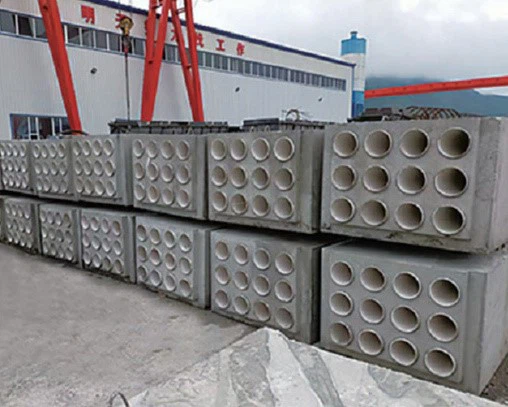

Chains can also be used for heavier molds. They're more durable and can handle greater stress. When using chains, make sure they're attached to the appropriate points on the mold and the vehicle. And don't forget to use locks or other fasteners to keep the chains in place.
4. Transportation Route
The route you choose for transporting the pipeline mold can have a big impact on the safety and efficiency of the journey.
First, consider the road conditions. Avoid routes with rough roads, potholes, or a lot of traffic. These can cause more vibrations and shocks to the mold, increasing the risk of damage. You can use mapping applications or GPS systems that show real - time road conditions to plan the best route.
Also, think about any obstacles along the way. Are there low bridges or narrow tunnels that might be an issue for the size of your mold? If so, you'll need to find an alternative route. You might also want to consider the distance and the estimated time of arrival. Longer routes might increase the chances of something going wrong, so try to find the shortest and safest path.
5. Weather Conditions
Weather can be a real game - changer when it comes to transporting pipeline molds. Extreme weather conditions can damage the mold and make the journey more dangerous.
If it's going to rain or snow, you need to take extra precautions. Make sure the mold is well - protected from moisture. You can use waterproof covers or tarps to keep it dry. In case of high winds, the mold might be at risk of being blown off the vehicle or shifting. You may need to adjust your transportation schedule or take additional measures to secure the mold even more tightly.
On hot days, the materials used in the mold and the packaging might expand. This can cause stress on the mold and the securing mechanisms. Make sure to monitor the temperature and take steps to prevent overheating, such as providing ventilation if possible.
6. Insurance
No matter how careful you are, accidents can happen during transportation. That's why it's important to have insurance for your pipeline molds.
Contact an insurance company that specializes in cargo insurance. They can offer you a policy that covers the value of the mold and any potential damage during transit. Make sure you understand the terms and conditions of the insurance policy, including what is covered and what isn't.
When filing an insurance claim, you'll need to provide documentation such as photos of the damaged mold, the transportation invoice, and any reports from the transport company. So, keep all these documents handy.
7. Regulatory Compliance
There are a lot of regulations when it comes to transporting pipeline molds. You need to make sure you're in compliance with all the relevant laws and regulations.
For oversized loads, you'll need to obtain the necessary permits. These permits usually require you to follow certain rules, such as specific routes, speed limits, and safety requirements. Failure to obtain the proper permits can result in fines and delays.
You also need to comply with environmental regulations. If the mold is made of certain materials or if there are any hazardous substances involved, you'll need to follow the proper procedures for their transportation.
Now, if you're in the market for high - quality pipeline molds, we've got you covered. We offer a wide range of products, including Roller Suspension Pipe Mold, Socket - and - Spigot Cement Pipe Mold, Pipeline Mold, and Cement Pipe Mold. We take great care in ensuring our products are well - packaged and safely transported to your location. If you're interested in making a purchase, don't hesitate to reach out to us to start a procurement discussion.
References
- "Transportation Management Handbook" by John J. Coyle, Edward J. Bardi, and C. John Langley
- Industry standards and regulations related to pipeline mold transportation
So, that's it! I hope these considerations will help you when it comes to transporting pipeline molds. If you have any questions or need more advice, feel free to leave a comment below.