

Rainwater pipe molds play a crucial role in the production of high - quality pipes for rainwater drainage systems. As a rainwater pipe mold supplier, I have in - depth knowledge of the key components that make up these molds. In this blog, I will explore the essential parts of a rainwater pipe mold, their functions, and how they contribute to the overall performance of the mold.
1. Mold Body
The mold body is the main structure of the rainwater pipe mold. It provides the basic shape and size of the rainwater pipe. Usually made of high - strength steel or cast iron, the mold body needs to withstand the pressure and impact during the pipe - making process. The choice of materials for the mold body is critical, as it directly affects the durability and precision of the mold.
High - strength steel is a popular choice due to its excellent mechanical properties, such as high tensile strength and wear resistance. Cast iron, on the other hand, is known for its good casting performance and relatively low cost. The design of the mold body also needs to consider factors like ease of demolding. A well - designed mold body should have smooth inner surfaces to ensure that the rainwater pipe can be easily removed after the molding process, without causing any damage to the pipe or the mold itself.
2. Core
The core is another important component of the rainwater pipe mold. It is located inside the mold body and is used to form the inner cavity of the rainwater pipe. The core needs to have high dimensional accuracy to ensure that the inner diameter of the rainwater pipe meets the design requirements.
Similar to the mold body, the core is also made of high - quality materials. In addition, the surface of the core is often treated with special coatings to improve its anti - stick properties, which helps in the smooth process of pipe manufacturing and demolding. The shape of the core can vary according to the type of rainwater pipe, such as circular, rectangular, or oval cross - sections, to meet different architectural and engineering needs.
3. End Caps
End caps are used to seal the two ends of the mold during the pipe - making process. They play a vital role in ensuring the correct shape and length of the rainwater pipe. Precise end caps can prevent the leakage of the raw materials and ensure that the end surfaces of the pipe are flat and well - formed.
There are different types of end caps, including fixed end caps and removable end caps. Fixed end caps are permanently installed on the mold body, while removable end caps can be easily detached for cleaning, maintenance, or replacement. The quality of the end caps directly affects the overall quality of the rainwater pipe, especially the end - finish, which is important for the connection and installation of the pipes in the drainage system.
4. Clamping System
A clamping system is essential for holding the different parts of the rainwater pipe mold together during the molding process. It provides the necessary force to keep the core, mold body, and end caps in place, preventing any displacement or misalignment that could lead to defective pipes.
Hydraulic clamping systems are commonly used in modern rainwater pipe molds. They offer precise control of the clamping force and can be easily adjusted according to the specific requirements of the molding process. Mechanical clamping systems are also used in some cases, especially for smaller - scale production. The clamping system needs to be reliable and durable to ensure the long - term stability of the mold operation.
5. Cooling System
During the pipe - making process, the raw materials in the mold generate a large amount of heat. A cooling system is required to remove this heat and accelerate the solidification of the rainwater pipe. Efficient cooling can improve the production efficiency and also enhance the quality of the pipe by reducing internal stresses and improving the surface finish.
Water - cooled cooling systems are widely used in rainwater pipe molds. They consist of a series of cooling channels inside the mold body and core, through which water circulates to carry away the heat. The design of the cooling channels needs to be optimized to ensure uniform cooling of the pipe, avoiding issues such as uneven solidification and cracking.
6. Ejection System
Once the rainwater pipe is formed and cooled, an ejection system is used to push the pipe out of the mold. This system is crucial for ensuring a smooth demolding process and preventing damage to the pipe.
The ejection system usually consists of ejector pins or ejector plates. Ejector pins are small rods that are pushed against the inside of the pipe to push it out, while ejector plates are flat structures that push the entire end of the pipe. The arrangement and movement of the ejection system need to be carefully designed to ensure that the pipe is ejected evenly without deformation.
Our Product Offerings
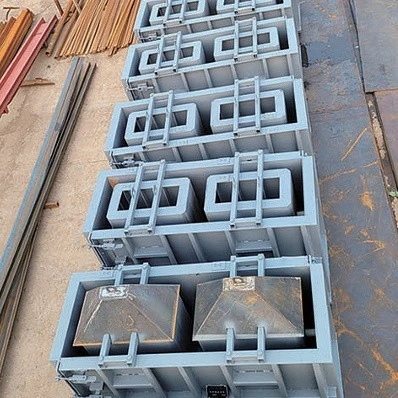
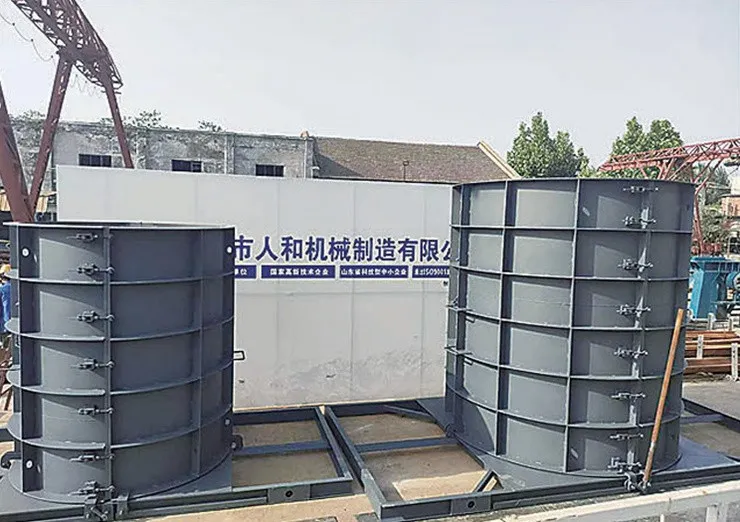
As a professional rainwater pipe mold supplier, we offer a wide range of high - quality molds to meet different customer needs. For those interested in plain - ended cement pipes, you can check out our Mold for Plain - ended Cement Pipe. If you are in need of molds for rainwater culvert pipes, our Rainwater Culvert Pipe Mold is a great choice. And for general rainwater pipeline production, our Rainwater Pipeline Mold provides excellent performance and precision.
Contact Us for Procurement
Are you looking for reliable rainwater pipe molds for your production? We are here to provide you with the best solutions. Our experienced team can offer professional advice on mold selection and customization, ensuring that you get the most suitable mold for your specific requirements. If you are interested in our products, please feel free to contact us for a detailed discussion and procurement negotiation. We look forward to working with you to create high - quality rainwater pipes.
References
- "Plastic Pipe Manufacturing Technology" - A comprehensive guide on pipe manufacturing processes and mold design.
- "Metal Materials in Mold Making" - A study on the properties and application of various metals in the production of industrial molds.