

As a leading supplier of Pipeline Mold, I've had the privilege of witnessing the evolution of pipeline manufacturing and the crucial role that high - quality molds play in this industry. In this blog, I'll share the key features that define a top - notch pipeline mold.
Precision Engineering
One of the most fundamental features of a high - quality pipeline mold is precision engineering. The dimensions of the mold must be accurate to the smallest detail. Even a minor deviation can lead to pipes that do not meet the required standards. For instance, in the case of Socket - and - Spigot Cement Pipe Mold, the socket and spigot parts need to fit together perfectly. This precision ensures that the pipes can be easily connected during installation, reducing the risk of leaks and ensuring a tight seal.
Precision also extends to the inner and outer diameters of the pipes. Pipes with inconsistent diameters can cause flow problems, especially in drainage systems. A well - engineered pipeline mold is designed using advanced CAD/CAM technology. This technology allows for the creation of highly accurate 3D models, which are then used to manufacture the mold. The use of CNC machining further enhances the precision, as it can produce molds with extremely tight tolerances.
Durable Materials
The materials used in the construction of a pipeline mold are another critical factor. High - quality molds are typically made from materials that can withstand the harsh conditions of the manufacturing process. Steel is a popular choice due to its strength and durability. It can resist the high pressures and temperatures involved in pipe manufacturing, as well as the wear and tear caused by repeated use.
Stainless steel, in particular, is often used for molds that will be in contact with corrosive materials. In sewage pipe manufacturing, for example, the pipes may carry acidic or alkaline substances. A stainless - steel Cement Pipe Mold can withstand these corrosive elements, ensuring a long service life.
In addition to the base material, the surface treatment of the mold is also important. A hard - chrome plating or a similar surface treatment can increase the mold's resistance to abrasion and corrosion. This not only extends the mold's lifespan but also improves the surface finish of the pipes produced.
Ease of Use and Maintenance
A high - quality pipeline mold should be easy to use and maintain. It should be designed in a way that allows for quick and efficient installation on the pipe - making machine. The mold should also be easy to disassemble for cleaning and maintenance.
For example, some molds are designed with a modular structure. This means that different parts of the mold can be easily removed and replaced if they are damaged or worn out. This modular design reduces downtime during maintenance and repair, increasing the overall productivity of the pipe - manufacturing process.
Moreover, the mold should be user - friendly in terms of operation. Clear markings and instructions should be provided to guide the operators. This ensures that the mold is used correctly, reducing the risk of errors and improving the quality of the pipes produced.
Flexibility in Design
The ability to produce different types and sizes of pipes is an important feature of a high - quality pipeline mold. A good mold should be adaptable to various pipe designs, including different diameters, lengths, and wall thicknesses. This flexibility allows pipe manufacturers to meet the diverse needs of their customers.
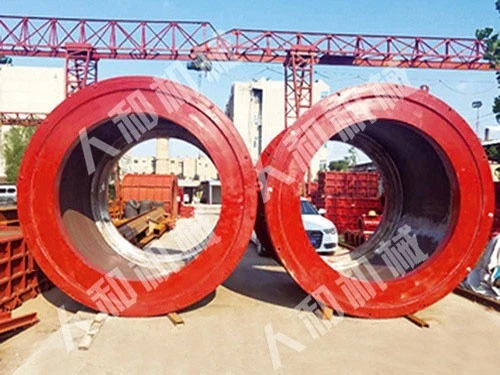
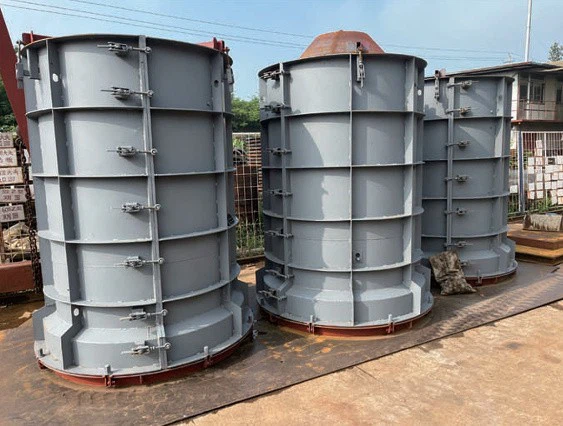
For instance, a single Pipeline Mold may be able to produce pipes with diameters ranging from a few inches to several feet. This is achieved through the use of adjustable components or interchangeable parts in the mold design.
In addition to size flexibility, the mold should also be able to produce pipes with different profiles. For example, it may be possible to produce pipes with smooth interiors for better flow or pipes with ribbed exteriors for added strength.
Quality Control
Quality control is an integral part of the pipeline mold manufacturing process. A high - quality mold is subject to rigorous testing and inspection at every stage of production. This includes testing the raw materials for their quality and properties, as well as inspecting the finished mold for dimensional accuracy and surface finish.
Non - destructive testing methods, such as ultrasonic testing and magnetic particle inspection, are often used to detect any internal defects in the mold. This ensures that the mold is free from flaws that could affect its performance or the quality of the pipes produced.
Once the mold is in use, regular quality control checks should be carried out on the pipes produced. This helps to identify any issues with the mold early on and allows for timely adjustments or repairs.
Cost - Effectiveness
While a high - quality pipeline mold may have a higher initial cost, it should be cost - effective in the long run. A durable mold that produces high - quality pipes can save money in terms of reduced maintenance costs, fewer production errors, and increased productivity.
For example, a mold that lasts longer and requires less frequent replacement will result in lower capital expenditure over time. Additionally, pipes produced by a high - quality mold are more likely to meet or exceed industry standards, reducing the risk of product recalls and customer complaints. This can lead to increased customer satisfaction and a better reputation for the pipe manufacturer.
Environmental Considerations
In today's environmentally conscious world, a high - quality pipeline mold should also take environmental factors into account. The materials used in the mold should be recyclable, reducing the environmental impact at the end of the mold's life cycle.
Moreover, the mold should be designed to minimize waste during the pipe - manufacturing process. For example, a well - designed mold can reduce the amount of excess material that is trimmed off during production. This not only saves resources but also reduces the cost of waste disposal.
In conclusion, a high - quality pipeline mold is characterized by precision engineering, durable materials, ease of use and maintenance, flexibility in design, strict quality control, cost - effectiveness, and environmental considerations. As a supplier of Pipeline Mold, we are committed to providing our customers with molds that meet these high standards. If you are in the market for a pipeline mold and want to discuss your specific requirements, we invite you to contact us for a detailed negotiation. We look forward to helping you find the perfect mold for your pipe - manufacturing needs.
References
- Smith, J. (2018). Advanced Pipeline Manufacturing Technologies. London: Industrial Press.
- Johnson, A. (2020). Materials for Mold Making in the Pipe Industry. New York: Material Science Publishers.
- Brown, C. (2019). Quality Control in Pipe - Mold Manufacturing. Sydney: Manufacturing Insights Press.