

When it comes to operating a sewage manhole mould, understanding the noise levels is crucial for both the operators and the surrounding environment. As a supplier of sewage manhole moulds, I have witnessed firsthand the importance of this aspect in the manufacturing and construction processes. In this blog, I will delve into the factors that influence the noise levels during the operation of sewage manhole moulds, the potential impacts of high noise, and the measures that can be taken to mitigate these issues.
Factors Affecting Noise Levels
The noise generated during the operation of a sewage manhole mould can vary significantly depending on several factors. One of the primary factors is the type of machinery used in the manufacturing process. For instance, hydraulic presses, which are commonly used to shape the manhole moulds, can produce a substantial amount of noise due to the high-pressure movements and the impact of the press on the mould material. The speed at which the machinery operates also plays a role; higher speeds often result in louder noise levels.
Another factor is the material being used to make the sewage manhole. Different materials, such as concrete, plastic, or fiberglass, can produce different noise levels when being processed. Concrete, for example, may require more force to shape and cut, leading to louder noise during the mixing, pouring, and curing processes. Additionally, the quality and condition of the mould itself can affect noise levels. A well-maintained mould with smooth surfaces and proper alignment will generally produce less noise compared to a worn-out or misaligned one.
The environment in which the mould is operated also matters. A noisy factory floor with multiple machines running simultaneously can amplify the overall noise levels. Moreover, the presence of hard surfaces in the vicinity can reflect and increase the noise, while soft materials like acoustic panels can help absorb and reduce it.
Potential Impacts of High Noise
High noise levels during the operation of sewage manhole moulds can have several negative impacts. From an occupational health perspective, prolonged exposure to loud noise can cause hearing loss, tinnitus, and other auditory problems for the workers. It can also lead to stress, fatigue, and reduced concentration, which may increase the risk of accidents in the workplace.
In addition to the health risks for workers, excessive noise can be a nuisance to the surrounding community. If the manufacturing facility is located near residential areas, schools, or hospitals, the noise can disrupt the daily lives of the people living or working nearby. This can result in complaints, legal issues, and damage to the reputation of the company.
Measuring Noise Levels
To assess the noise levels during the operation of sewage manhole moulds, it is necessary to use appropriate measuring equipment. A sound level meter is a common tool used to measure the intensity of sound in decibels (dB). The measurements should be taken at different locations around the mould and at various stages of the manufacturing process to get an accurate picture of the noise levels.
It is important to note that the acceptable noise levels vary depending on the country and the specific regulations in place. In general, the World Health Organization (WHO) recommends that the average noise level in a workplace should not exceed 85 dB over an 8-hour working day. However, some countries may have more stringent regulations, especially in areas where noise pollution is a significant concern.
Mitigating Noise Levels
As a sewage manhole mould supplier, I understand the importance of providing solutions to reduce noise levels. Here are some measures that can be taken to mitigate the noise generated during the operation of sewage manhole moulds:
1. Equipment Maintenance
Regular maintenance of the machinery used in the manufacturing process is essential. This includes lubricating moving parts, tightening loose bolts, and replacing worn-out components. By ensuring that the equipment is in good working condition, the noise levels can be significantly reduced.
2. Soundproofing
Installing soundproofing materials in the factory can help absorb and block the noise. Acoustic panels, curtains, and insulation can be used to line the walls, ceilings, and floors of the manufacturing area. This can create a more comfortable working environment for the employees and reduce the impact of the noise on the surrounding community.
3. Process Optimization
Optimizing the manufacturing process can also lead to lower noise levels. For example, using advanced technologies and techniques that require less force or impact can reduce the noise generated during the shaping and cutting of the manhole moulds. Additionally, scheduling the noisy operations during off-peak hours can minimize the impact on the surrounding area.
4. Personal Protective Equipment (PPE)
Providing workers with appropriate PPE, such as earplugs or earmuffs, is crucial to protect their hearing. These devices can reduce the noise levels reaching the ears and prevent long-term damage.
Our Product Range
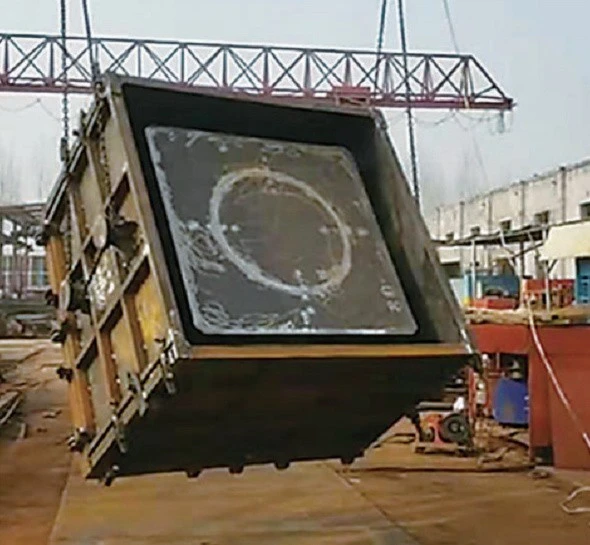
At our company, we offer a wide range of sewage manhole moulds to meet the diverse needs of our customers. Our Rectangular Inspection Well Mold is designed with precision and durability in mind. It is suitable for various applications and can be customized to meet specific requirements.
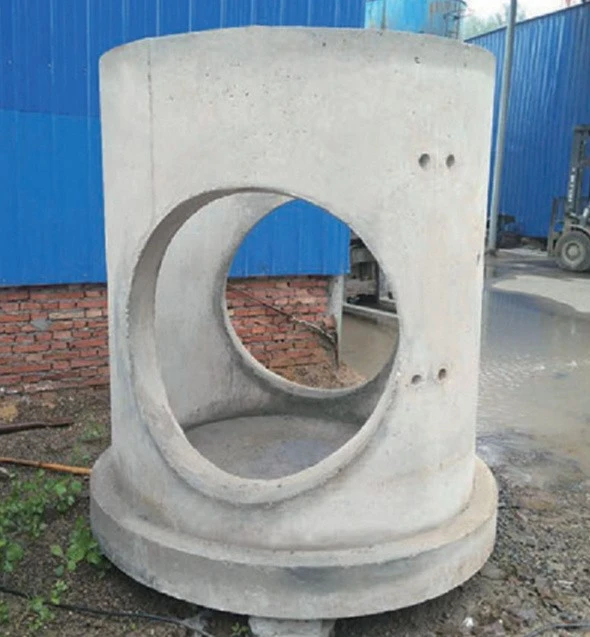
Our Prefabricated Wellbore Mold is another popular product. It allows for the efficient production of prefabricated wellbores, which can be easily installed on-site. This not only saves time and labor but also reduces the overall noise and disruption during the construction process.
We also offer Circular Inspection Well Mold, which is known for its smooth finish and high-quality construction. These moulds are made from high-grade materials to ensure long-lasting performance and reliable operation.
Conclusion
In conclusion, understanding and managing the noise levels when operating a sewage manhole mould is essential for the well-being of the workers, the satisfaction of the surrounding community, and the success of the business. By taking appropriate measures to mitigate the noise, such as equipment maintenance, soundproofing, process optimization, and providing PPE, the negative impacts of high noise can be minimized.
As a leading sewage manhole mould supplier, we are committed to providing high-quality products and solutions that not only meet the industry standards but also address the environmental and social concerns. If you are interested in our products or have any questions about the noise levels associated with our sewage manhole moulds, please feel free to contact us. We look forward to discussing your requirements and finding the best solutions for your project.
References
- World Health Organization. (2018). Guidelines for community noise.
- Occupational Safety and Health Administration (OSHA). (n.d.). Noise standards.