

In the construction industry, cement pipes play a crucial role in various infrastructure projects such as drainage, sewage systems, and underground pipelines. As a leading Cement Pipe Mold supplier, I understand the significance of having the right operating skills for these molds to ensure the production of high - quality cement pipes. This blog aims to share some essential operating skills for cement pipe molds.
1. Pre - operation Inspection
Before starting the production process, a thorough pre - operation inspection of the cement pipe mold is essential. First, check the overall structure of the mold for any signs of damage, such as cracks, breaks, or deformation. For instance, if there is a crack on the inner surface of the Cement Pipe Mold, it may cause leakage during the cement pouring process, resulting in defects in the final product.
Inspect the connection parts of the mold carefully. Ensure that all bolts and nuts are tightened properly. Loose connections can lead to misalignment of the mold during operation, which will affect the dimensional accuracy of the cement pipes. Also, check the sealing performance of the mold. A good seal is necessary to prevent the leakage of cement slurry, which can not only waste materials but also cause uneven surfaces on the pipes.
2. Cleaning and Lubrication
Cleaning the cement pipe mold before each use is a fundamental step. Remove any residues from the previous production, including hardened cement, dirt, and debris. This can be done using appropriate cleaning tools such as scrapers, brushes, and high - pressure water guns. Thorough cleaning ensures that the new cement pipes will have a smooth surface and accurate dimensions.
After cleaning, lubrication is crucial. Apply a suitable lubricant to the inner surface of the mold. The lubricant helps in easy demolding of the cement pipes once they are cured. It also reduces friction between the cement and the mold, which can prevent scratches on the surface of the pipes. However, be careful not to use excessive lubricant, as it may cause the surface of the pipes to be greasy or affect the bonding between the cement layers.
3. Correct Installation
Installing the cement pipe mold correctly is vital for the production of high - quality pipes. Make sure the mold is installed on a stable and level workbench or production platform. An uneven installation can cause the mold to tilt, resulting in non - uniform thickness of the cement pipes.
Align the different parts of the mold accurately according to the design requirements. If the mold consists of multiple segments, ensure that the joints are well - aligned. Poor alignment can lead to problems such as step differences on the pipes or misfits when connecting the pipes in the actual project. For example, in the case of Socket - and - Spigot Cement Pipe Mold, precise alignment is crucial to ensure a proper fit between the socket and the spigot of the pipes.
4. Cement Mixing and Pouring
The quality of the cement mixture has a direct impact on the performance of the cement pipes. Follow the recommended mix proportions carefully. Use high - quality cement, aggregates, and additives as required. The water - cement ratio is a critical factor. An improper water - cement ratio can lead to problems such as low strength, cracking, or excessive shrinkage of the pipes.
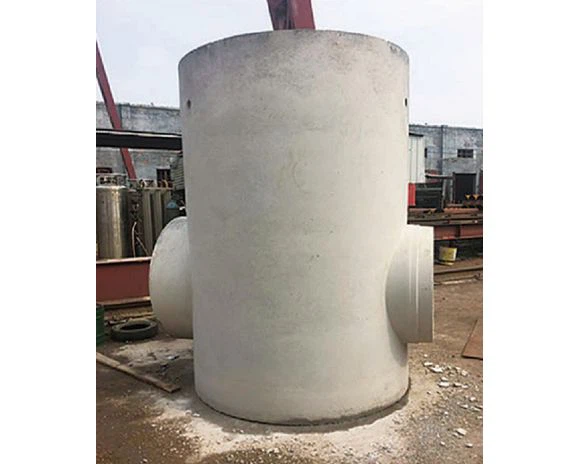

When pouring the cement into the mold, do it evenly and in a controlled manner. Pour the cement gradually from one end of the mold to the other to avoid air entrapment. Air bubbles in the cement can weaken the structure of the pipes and cause surface imperfections. Use vibration equipment during the pouring process to help the cement settle evenly and remove any air bubbles. The vibration should be of the appropriate intensity and duration. Excessive vibration can cause segregation of the cement mixture, while insufficient vibration may not effectively remove the air bubbles.
5. Curing Process
The curing process is essential for the development of strength in cement pipes. After the cement is poured into the mold, it should be kept in a suitable environment for curing. The temperature and humidity are two crucial factors in the curing process. Generally, a relatively high humidity and a temperature between 20 - 30°C are ideal for the initial curing of cement.
Cover the mold with a plastic sheet or other suitable materials to prevent the evaporation of moisture from the cement. This helps in maintaining the appropriate curing conditions. The curing time also varies depending on the type of cement, the size of the pipes, and the environmental conditions. For small - diameter pipes, the curing time may be shorter compared to large - diameter pipes. Do not demold the pipes prematurely. Premature demolding can cause the pipes to deform or lose their strength.
6. Demolding
Once the cement pipes have reached the appropriate strength, it is time to demold them. First, loosen all the bolts and nuts that hold the mold together carefully. Use demolding tools such as pry bars or hydraulic cylinders to separate the mold from the pipes gently. Be careful not to damage the pipes during the demolding process.
After demolding, inspect the pipes again for any defects. If there are minor defects, they can be repaired using appropriate repair materials. Make sure the pipes are properly stored to prevent any damage during storage and transportation.
7. Maintenance of the Mold
Regular maintenance of the cement pipe mold is essential to prolong its service life. After each production cycle, clean the mold thoroughly and check for any signs of wear or damage. Replace any worn - out parts immediately.
Store the mold in a dry and clean environment to prevent rusting and corrosion. If the mold is not going to be used for a long time, apply a protective coating to the surface to prevent oxidation.
In addition to these basic operating skills, it is also important to train the operators properly. They should be familiar with the operation process of the cement pipe mold and be able to handle any emergencies that may occur during the production process.
As a Cement Pipe Mold supplier, we are committed to providing high - quality molds and sharing our expertise in mold operation. Our Pipeline Mold and Roller Suspension Pipe Mold are designed with advanced technology to ensure efficient and high - quality production of cement pipes.
If you are interested in purchasing our cement pipe molds or have any questions about their operation, please feel free to contact us. We are more than happy to discuss your specific requirements and provide you with the best solutions. Our professional team is always ready to assist you in making the right choice for your construction projects.
References
- Construction Industry Handbook on Pipe Production
- Guidelines for Cement Pipe Mold Operation and Maintenance