

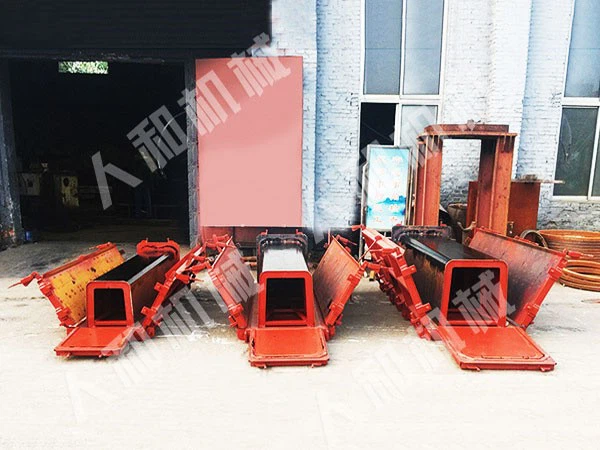
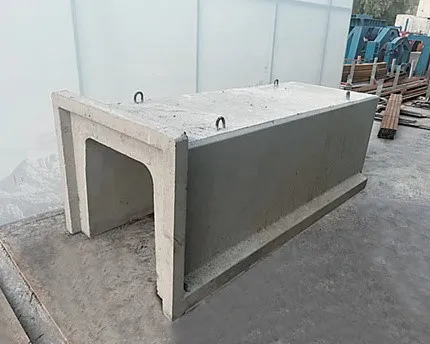
As a supplier of U - shaped Groove Molds, I've witnessed firsthand the importance of high - quality mold design software in the manufacturing process. U - shaped Groove Molds are widely used in various fields such as drainage systems, farmland irrigation, and architectural construction. The right mold design software can significantly enhance the efficiency, precision, and overall quality of these molds. In this blog, I'll share the key requirements for mold design software tailored to U - shaped Groove Molds.
1. Accurate 3D Modeling Capabilities
One of the fundamental requirements for mold design software is the ability to create accurate 3D models of U - shaped Groove Molds. The software should support precise geometric modeling, allowing designers to define the shape, dimensions, and surface details of the U - shaped groove accurately. For example, the software should be able to handle complex curves and angles that are common in U - shaped Groove Molds. This accuracy is crucial because any small deviation in the mold design can lead to defective products.
Moreover, the software should enable designers to visualize the mold from different perspectives, which helps in identifying potential design flaws early in the process. It should also support the import and export of common 3D file formats, such as STL, STEP, and IGES, to facilitate seamless collaboration with other departments or external partners.
2. Simulation and Analysis Tools
Simulation and analysis are essential for optimizing the mold design. The software should offer simulation capabilities for processes like injection molding, which is a common method for manufacturing U - shaped Groove Molds. By simulating the injection process, designers can predict issues such as filling patterns, air traps, and warpage. This allows them to make necessary adjustments to the mold design before production, reducing the risk of costly mistakes.
For instance, the software can simulate the flow of molten plastic through the mold cavity, helping designers determine the optimal gate location and runner system. It can also analyze the cooling process to ensure uniform cooling and minimize shrinkage. These simulation and analysis tools not only improve the quality of the molds but also increase production efficiency by reducing the number of trial - and - error cycles.
3. Compatibility with Manufacturing Processes
The mold design software should be compatible with the manufacturing processes used for U - shaped Groove Molds. Whether it's CNC machining, injection molding, or other manufacturing methods, the software should be able to generate the necessary toolpaths and instructions. For CNC machining, the software should support the generation of G - code, which is used to control the movement of the machining tools.
In addition, the software should be able to work with different materials used in U - shaped Groove Molds, such as plastic, metal, or fiberglass. It should take into account the properties of these materials, such as their melting points, shrinkage rates, and mechanical strengths, to ensure a successful manufacturing process.
4. Customization and Flexibility
U - shaped Groove Molds come in a variety of sizes, shapes, and specifications to meet different customer needs. The mold design software should be highly customizable, allowing designers to easily modify the mold design based on specific requirements. For example, it should be possible to adjust the depth, width, and radius of the U - shaped groove, as well as add features such as ribs, bosses, or holes.
The software should also support the creation of parametric designs, which means that designers can define relationships between different dimensions of the mold. This allows for quick and easy changes to the design without having to start from scratch. Flexibility is also important in terms of the software's user interface, which should be intuitive and easy to use, enabling designers to work efficiently.
5. Data Management and Collaboration
Effective data management is crucial for mold design projects. The software should provide a centralized platform for storing and managing design data, including 3D models, 2D drawings, and simulation results. This ensures that all team members have access to the latest information and can work together seamlessly.
Collaboration features are also essential, especially in a large - scale manufacturing environment. The software should support real - time collaboration, allowing designers, engineers, and manufacturers to work on the same project simultaneously. This can significantly reduce the design cycle time and improve communication between different departments.
6. Cost - Effective Solutions
As a U - shaped Groove Mold supplier, cost is always a consideration. The mold design software should offer cost - effective solutions that meet the needs of the business. This includes reasonable licensing fees, as well as low maintenance and support costs.
In addition, the software should help reduce overall manufacturing costs by optimizing the mold design and reducing waste. For example, by using simulation tools to minimize material waste and improve production efficiency, the software can contribute to significant cost savings in the long run.
Related Products
If you are interested in other types of molds, we also offer Canal Mold, Farmland Irrigation Canal Mold, and Rectangular Groove Mold. These molds are designed with high - quality standards and can be customized to meet your specific requirements.
Conclusion
In conclusion, the requirements for mold design software for U - shaped Groove Molds are diverse and complex. Accurate 3D modeling, simulation and analysis tools, compatibility with manufacturing processes, customization and flexibility, data management and collaboration, and cost - effectiveness are all essential factors to consider. By choosing the right mold design software, U - shaped Groove Mold suppliers can improve the quality of their products, increase production efficiency, and gain a competitive edge in the market.
If you are interested in our U - shaped Groove Molds or have any questions about mold design, please feel free to contact us for further discussion and potential procurement. We are committed to providing high - quality products and excellent service to meet your needs.
References
- Smith, J. (2020). Mold Design Principles. Publisher X.
- Johnson, A. (2019). Advanced Manufacturing Technologies for Molds. Publisher Y.