

As a cable trench mold supplier, understanding the connection test methods for cable trench molds is crucial. These methods ensure the reliability and safety of the cable installation within the trenches. In this blog, we'll explore the various connection test methods and their significance in the cable trench mold industry.
Importance of Connection Testing in Cable Trench Molds
Cable trench molds are used to create channels for laying electrical cables. The proper connection between different sections of the cable trench is essential to prevent cable damage, electrical short - circuits, and to ensure long - term stability. A faulty connection can lead to moisture ingress, which may corrode the cables and reduce their lifespan. Therefore, connection testing is a fundamental step in the installation and quality control process.
Visual Inspection
The first and most basic connection test method is visual inspection. This involves a thorough examination of the mold connections with the naked eye. Inspectors look for any visible signs of misalignment, cracks, or gaps at the joints. For example, if the mold sections are not properly aligned, it can cause stress on the cables during installation and operation. A misaligned joint may also allow water to seep in, which can be a major issue for cable protection.
During visual inspection, it's important to check the edges of the mold sections. Any rough or damaged edges can damage the cables as they are being laid. Additionally, the connection points should be clean and free from debris. If there is dirt or debris at the connection, it can prevent a proper seal from forming between the mold sections.
Dimensional Measurement
Accurate dimensional measurement is another key connection test method. The dimensions of the cable trench mold sections must match precisely at the connection points. Using measuring tools such as calipers, rulers, and laser measuring devices, technicians can ensure that the width, height, and length of the connected sections are within the specified tolerances.
For instance, if the width of one section of the cable trench mold is slightly larger than the other at the connection, it can create an uneven surface for the cables. This can lead to cable bending and potential damage. Dimensional measurement also helps in identifying any warping or distortion in the mold sections, which can affect the overall integrity of the cable trench.
Leakage Testing
Leakage testing is a critical connection test method, especially for cable trench molds that need to be watertight. There are several ways to conduct leakage tests. One common method is the water - filling test. In this test, the connected cable trench mold sections are filled with water to a certain level. The mold is then left for a specified period, usually several hours, to check for any signs of water leakage at the connection points.
Another approach is the use of pressure testing. A pressure is applied to the inside of the connected cable trench mold, and any drop in pressure indicates a leak. This method is more sensitive and can detect even small leaks that may not be visible during a water - filling test. Leakage testing is important because water can cause significant damage to the cables, including corrosion and short - circuits.

Electrical Continuity Testing
In some cases, especially for cable trench molds that are part of an electrical system, electrical continuity testing is necessary. This test checks if there is a continuous electrical path through the connected mold sections. A multimeter is typically used to measure the resistance between different points on the connected molds.
If there is a break in the electrical continuity, it can indicate a problem with the connection. For example, a poor connection between metal - reinforced cable trench mold sections can lead to an open circuit, which can affect the grounding of the cables. Electrical continuity testing helps in ensuring that the cable trench mold provides a safe and reliable electrical environment for the cables.
Compression Testing
Compression testing is used to evaluate the strength of the connection between cable trench mold sections. A compression force is applied to the connected sections to simulate the real - world loads that the trench may experience. This can include the weight of the cables, the soil above the trench, and any traffic or equipment that may pass over it.
By measuring the deformation and the maximum load that the connection can withstand, technicians can determine if the connection is strong enough. If the connection fails under compression, it can lead to the collapse of the cable trench, which can cause extensive damage to the cables and disrupt the electrical supply.
Types of Cable Trench Molds and Their Connection Tests
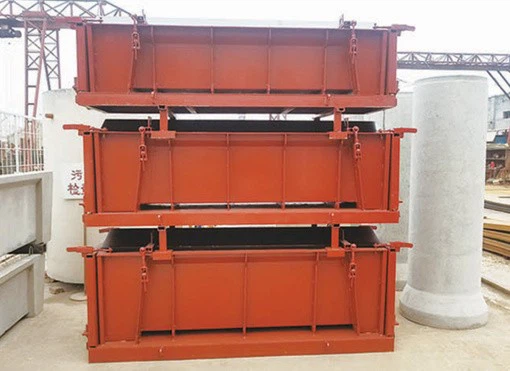
There are different types of cable trench molds, such as U - shaped Cable Trench Mold, Precast Cable Trench Mold, and Rectangular Cable Trench Mold. Each type may require specific connection test methods.
U - shaped cable trench molds are often used for their ease of installation and good cable - holding capacity. When testing the connections of U - shaped molds, special attention should be paid to the curvature of the sections. The connection should be smooth and continuous along the curve to prevent cable damage.
Precast cable trench molds are pre - fabricated and then transported to the installation site. Their connections need to be tested for both structural integrity and watertightness. Since precast molds are often large and heavy, proper connection testing is essential to ensure that they can be safely installed and will perform well over time.
Rectangular cable trench molds are commonly used in large - scale cable installations. The connection tests for rectangular molds focus on the straight edges and right - angle corners. Any misalignment at the corners can cause significant problems for cable laying and protection.
Conclusion
In conclusion, connection test methods for cable trench molds are essential for ensuring the safety, reliability, and longevity of cable installations. Visual inspection, dimensional measurement, leakage testing, electrical continuity testing, and compression testing are all important steps in the quality control process. By using these methods, cable trench mold suppliers can provide high - quality products that meet the strict requirements of the electrical industry.
If you are in need of high - quality cable trench molds and want to discuss the connection test methods in more detail, or if you are interested in purchasing our cable trench molds, please feel free to contact us. We are committed to providing the best products and services to meet your needs.
References
- Electrical Installation Handbook, Schneider Electric
- Cable Trench Design and Installation Guidelines, International Electrotechnical Commission
- Testing Standards for Civil Engineering Structures, American Society of Civil Engineers