

Hey there! As a manhole mould supplier, I often get asked about the electrical conductivity of manholes made with our moulds. It's an interesting topic that combines engineering, materials science, and practical applications. So, let's dive right in and explore what the electrical conductivity of a manhole made with a mould really means.
First off, let's understand what electrical conductivity is. In simple terms, electrical conductivity is a measure of how well a material allows an electric current to flow through it. Materials with high electrical conductivity, like metals, are good conductors, while materials with low conductivity, like rubber or plastic, are insulators. When it comes to manholes, the electrical conductivity of the material used to make them can have a significant impact on their performance and safety.
Most manholes are made from materials like concrete, fiberglass, or plastic. These materials are chosen for their durability, strength, and resistance to environmental factors. But what about their electrical conductivity? Well, concrete is a poor conductor of electricity. It has a relatively low electrical conductivity because it's made up of a mixture of aggregates, cement, and water. This means that concrete manholes are generally considered to be electrically safe, as they don't easily allow electric currents to pass through them.
Fiberglass manholes, on the other hand, are also poor conductors. Fiberglass is a composite material made of glass fibers embedded in a resin matrix. The glass fibers are insulators, and the resin also has low electrical conductivity. So, fiberglass manholes are a good choice when electrical safety is a concern.
Plastic manholes, such as those made from polyethylene or polypropylene, are also non - conductive. These plastics are excellent insulators, which makes them suitable for use in areas where electrical isolation is required.
Now, why is the electrical conductivity of manholes important? One of the main reasons is safety. In areas where there are underground electrical cables or power lines, manholes need to act as a barrier to prevent electrical currents from leaking out or causing harm. For example, in a power distribution system, manholes are used to access and maintain electrical equipment. If the manhole material is a good conductor, there is a risk of electrical shock to workers or damage to the electrical system.
Another reason is to prevent interference with electrical signals. In modern communication systems, underground cables are used to transmit data. Manholes made of non - conductive materials help to minimize electromagnetic interference and ensure the proper functioning of these systems.
As a manhole mould supplier, we offer a variety of moulds to produce manholes of different shapes and sizes. For example, we have the Pipeline Well Mold, which is designed to create manholes for pipeline systems. These manholes are often used in water supply and drainage networks, where electrical conductivity is not a major concern, but durability and water - tightness are.
We also have the Power Manhole Mould. Manholes made with this mould are specifically designed for power distribution systems. They need to be made of materials with low electrical conductivity to ensure the safety of workers and the proper functioning of the electrical equipment.
And then there's the Square Manhole Mould. Square manholes are commonly used in urban areas for various purposes, such as stormwater drainage and access to underground utilities. The materials used to make these manholes should have low electrical conductivity to prevent any electrical hazards.
When it comes to choosing the right manhole mould, it's important to consider the specific requirements of the project. If electrical safety is a top priority, then moulds that produce manholes made from non - conductive materials are the way to go. We can provide guidance on the best materials and mould designs based on your needs.

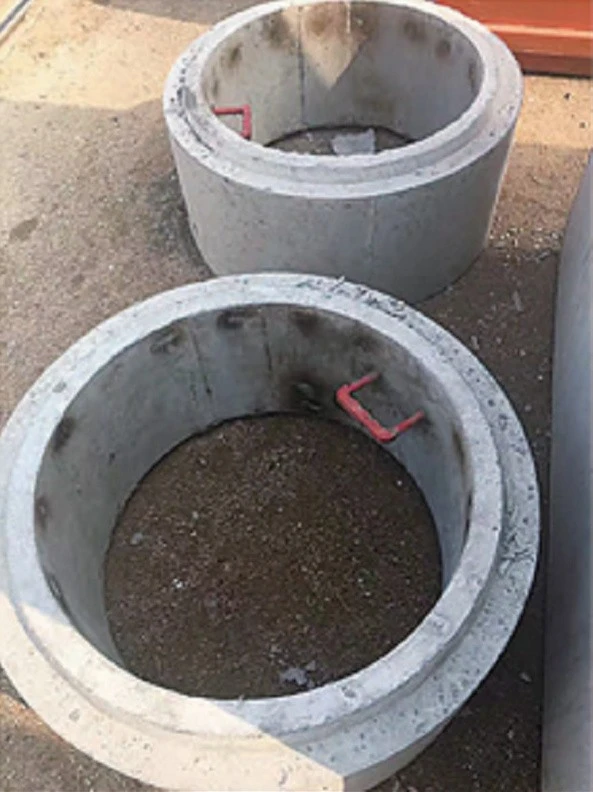
If you're in the market for manhole moulds, whether it's for a small - scale project or a large - scale infrastructure development, we're here to help. Our team of experts can answer any questions you have about the electrical conductivity of manholes and how our moulds can meet your requirements. We're committed to providing high - quality moulds that are not only durable but also meet the highest safety standards.
So, if you're interested in learning more about our manhole moulds or have any questions about the electrical conductivity of manholes, don't hesitate to reach out. We're ready to have a conversation with you and discuss how we can work together to meet your manhole production needs.
References
- "Materials Science and Engineering: An Introduction" by William D. Callister, Jr. and David G. Rethwisch
- "Electrical Engineering Handbook" by Richard C. Dorf