

Hey there! As a supplier of cable trench molds, I often get asked about the expansion coefficient of these molds. So, let's dive right into it and figure out what this expansion coefficient is all about.
First off, what exactly is the expansion coefficient? Well, it's a measure of how much a material expands or contracts when its temperature changes. In the case of cable trench molds, this is super important because these molds are often exposed to different temperatures during their use. Whether it's the heat of the sun during the day or the cold of the night, the mold needs to be able to handle these temperature variations without cracking or deforming.
Most cable trench molds are made from materials like plastic, fiberglass, or steel. Each of these materials has its own unique expansion coefficient. For instance, plastic molds usually have a relatively high expansion coefficient. This means that they expand and contract more significantly with temperature changes compared to other materials. Fiberglass molds, on the other hand, have a lower expansion coefficient, which makes them more stable in different temperature conditions. Steel molds have an even lower expansion coefficient, making them the most resistant to temperature - related expansion and contraction.
Let's talk about why the expansion coefficient matters for cable trench molds. When a mold expands or contracts too much, it can cause problems with the shape and quality of the cable trenches it produces. If the mold expands during hot weather, the trench it forms might be larger than intended. And when it contracts in cold weather, the trench could end up being smaller. This can lead to issues with fitting cables and other components into the trenches, which is definitely not what we want.
As a cable trench mold supplier, I always make sure to choose materials with appropriate expansion coefficients for different applications. For example, if a customer needs a mold for an area with extreme temperature variations, I'd recommend a steel or fiberglass mold. These materials can better withstand the temperature changes and ensure that the cable trenches are of high quality.
Now, let's take a look at some of the different types of cable trench molds we offer. We have the Rectangular Cable Trench Mold. This type of mold is great for creating rectangular - shaped cable trenches, which are very common in many construction projects. The rectangular shape provides a stable and efficient space for laying cables.

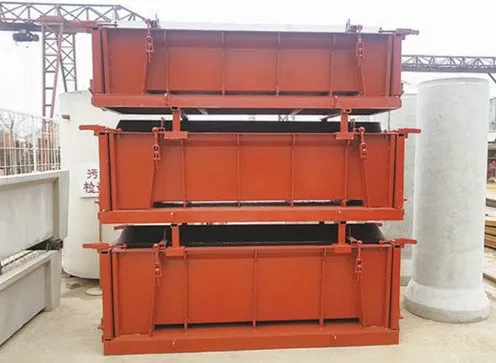
Another option is the Arched Cable Trench Mold. The arched design offers some unique advantages. It can provide better structural support and can be more aesthetically pleasing in certain settings. The expansion coefficient of the material used in these arched molds is carefully considered to ensure that the shape remains intact under different temperature conditions.
We also have the Cast - in - Place Cable Trench Mold. This type of mold is used for creating cable trenches on - site. The expansion coefficient of the mold material is crucial here because the mold will be exposed to the local environmental conditions during the casting process.
When it comes to choosing the right cable trench mold, the expansion coefficient is just one factor to consider. You also need to think about the size, shape, and the specific requirements of your project. For example, if you're working on a large - scale project, you might need a mold that can produce large - sized cable trenches. And if you're in an area with a lot of moisture, you'll want a mold material that is resistant to corrosion.
As a supplier, I'm always here to help you make the best choice for your cable trench mold needs. I can provide you with detailed information about the expansion coefficients of different materials and how they will perform in your specific environment. Whether you're a contractor, an engineer, or someone involved in a cable installation project, I'm happy to assist you in finding the perfect mold.
If you're interested in purchasing cable trench molds, don't hesitate to reach out. We can discuss your project requirements, and I can offer you the best solutions. Whether it's about the expansion coefficient, the design, or the price, I'm here to answer all your questions and help you make an informed decision.
In conclusion, understanding the expansion coefficient of a cable trench mold is essential for ensuring the quality and durability of the cable trenches. By choosing the right material with an appropriate expansion coefficient, you can avoid many potential problems and ensure that your cable installation project goes smoothly. So, if you're in the market for cable trench molds, give us a shout, and let's work together to find the best solution for you.
References
- Engineering materials textbooks
- Industry research on cable trench mold materials