

As a supplier of sewage pipe molds, one of the most frequently asked questions from our clients is about the suitable injection speed for a sewage pipe mold. The injection speed plays a crucial role in the manufacturing process of sewage pipes, as it directly affects the quality, efficiency, and overall performance of the final product. In this blog post, we will delve into the factors that influence the appropriate injection speed and provide some guidelines to help you determine the optimal speed for your specific needs.
Factors Affecting Injection Speed
Material Properties
The type of material used for sewage pipes is a primary factor in determining the injection speed. Common materials include cement, PVC, and other polymers. Each material has its own unique rheological properties, such as viscosity, flowability, and curing time. For instance, cement-based materials are typically more viscous and require a slower injection speed to ensure proper filling of the mold and prevent air entrapment. On the other hand, PVC and other polymers have better flowability and can generally tolerate higher injection speeds.
Pipe Dimensions
The size and thickness of the sewage pipe also impact the injection speed. Larger diameter pipes or pipes with thicker walls require more material to fill the mold, which may necessitate a slower injection speed to avoid issues like incomplete filling or excessive pressure build-up. Conversely, smaller pipes can often be produced at higher injection speeds.
Mold Design
The design of the sewage pipe mold, including the shape, complexity, and number of cavities, affects the injection process. Molds with intricate designs or multiple cavities may require a slower injection speed to ensure that the material flows evenly and fills all areas of the mold properly. Additionally, the gating system of the mold, which controls the flow of material into the cavity, can influence the injection speed. A well-designed gating system can help optimize the flow and allow for higher injection speeds.
Equipment Capabilities
The injection molding machine used in the manufacturing process has its own limitations and capabilities. The maximum injection speed, pressure, and flow rate of the machine must be considered when determining the appropriate injection speed for the sewage pipe mold. Using an injection speed that exceeds the machine's capabilities can lead to equipment damage, poor product quality, or safety hazards.
Determining the Optimal Injection Speed
Trial and Error
One of the most common methods for determining the optimal injection speed is through trial and error. Start by setting a conservative injection speed based on the material properties, pipe dimensions, and mold design. Then, produce a few test pipes and evaluate their quality. Look for signs of incomplete filling, air bubbles, surface defects, or other issues. Adjust the injection speed accordingly and repeat the process until you achieve the desired results.
Simulation Software
Another approach is to use simulation software to predict the flow behavior of the material during the injection process. These software tools can analyze the mold design, material properties, and injection parameters to simulate the filling process and provide insights into the optimal injection speed. By using simulation software, you can reduce the time and cost associated with trial and error testing and improve the efficiency of the manufacturing process.
Industry Standards and Best Practices
It can also be helpful to refer to industry standards and best practices when determining the injection speed for sewage pipe molds. Many industry associations and organizations publish guidelines and recommendations based on extensive research and experience. These resources can provide valuable information on typical injection speeds for different types of sewage pipes and materials.
Recommended Injection Speeds for Different Materials
Cement Pipes
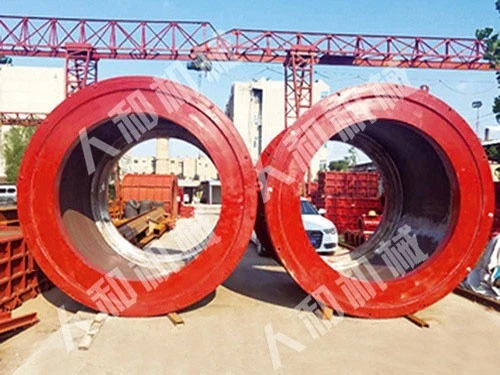
For cement pipes, the injection speed is typically relatively slow due to the high viscosity of the cement mixture. A common range for the injection speed is between 10 and 30 cm³/s, depending on the pipe dimensions and mold design. It is important to ensure that the cement mixture is thoroughly mixed and has the appropriate consistency before injection to prevent blockages and ensure proper filling of the mold. You can find more information about our Cement Pipe Mold on our website.

PVC Pipes
PVC pipes can generally be produced at higher injection speeds compared to cement pipes. The injection speed for PVC pipes typically ranges from 50 to 150 cm³/s, depending on the pipe size and wall thickness. PVC has good flowability, which allows for faster filling of the mold. However, it is still important to control the injection speed to prevent issues like melt fracture or excessive shear stress, which can affect the quality of the pipe.
Other Polymers
For other polymers used in sewage pipe manufacturing, such as HDPE or PP, the injection speed will depend on the specific material properties. These polymers generally have good flowability and can tolerate relatively high injection speeds. The injection speed for HDPE or PP pipes can range from 80 to 200 cm³/s, but it is important to consult the material supplier's recommendations and conduct testing to determine the optimal speed for your specific application.
Importance of Controlling Injection Speed
Product Quality
Controlling the injection speed is essential for ensuring the quality of the sewage pipes. A proper injection speed helps to ensure that the material fills the mold evenly, without air bubbles or voids. This results in pipes with consistent wall thickness, smooth surfaces, and good mechanical properties. On the other hand, an incorrect injection speed can lead to defects such as incomplete filling, surface roughness, or weak spots in the pipe, which can compromise its performance and durability.
Production Efficiency
The injection speed also affects the production efficiency of the sewage pipe manufacturing process. A higher injection speed can reduce the cycle time, which means more pipes can be produced in a given period. However, it is important to balance the injection speed with other factors, such as the curing time of the material and the ability of the equipment to handle the increased speed. By optimizing the injection speed, you can increase the productivity of your manufacturing process and reduce costs.
Equipment Longevity
Using the appropriate injection speed can also extend the lifespan of the injection molding machine and the sewage pipe mold. Excessive injection speeds can put additional stress on the equipment, leading to premature wear and tear. By operating the equipment within its recommended limits, you can reduce the risk of breakdowns and maintenance costs and ensure the long-term reliability of your manufacturing process.
Conclusion
In conclusion, determining the suitable injection speed for a sewage pipe mold is a complex process that requires careful consideration of several factors, including material properties, pipe dimensions, mold design, and equipment capabilities. By understanding these factors and using the appropriate methods, such as trial and error, simulation software, or industry standards, you can optimize the injection speed and achieve high-quality sewage pipes with efficient production.
As a leading supplier of sewage pipe molds, we have extensive experience in designing and manufacturing molds for a variety of applications. Our Socket-and-Spigot Cement Pipe Mold and Roller Suspension Pipe Mold are designed to meet the highest quality standards and provide excellent performance. If you have any questions or need assistance in determining the optimal injection speed for your sewage pipe mold, please feel free to contact us. We are committed to providing our customers with the best solutions and support to help them succeed in the sewage pipe manufacturing industry.
References
- ASTM International. (Year). Standard Specification for [Specific Pipe Material] Pipes.
- Injection Molding Handbook. (Year). Publisher.
- Industry Association Guidelines. (Year). Available from [Association Name] website.