

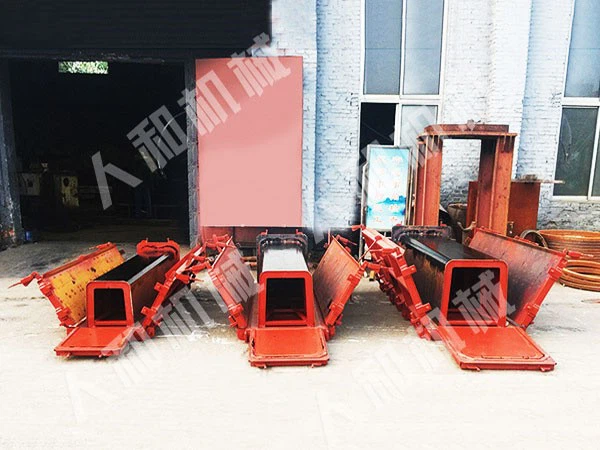
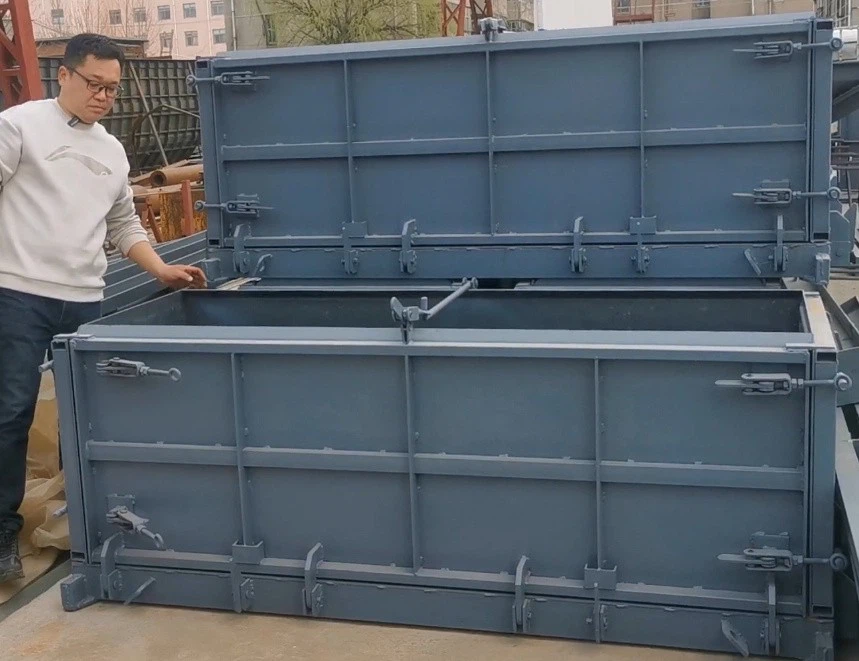
As a trusted supplier of Rectangular Groove Molds, I'm excited to share the detailed manufacturing process of these essential tools. Rectangular groove molds are widely used in various industries, including construction, drainage systems, and landscaping. Understanding their manufacturing process can help you appreciate the quality and precision that goes into each mold we produce.
Material Selection
The first step in manufacturing a rectangular groove mold is selecting the right material. The choice of material depends on several factors, such as the intended use of the mold, the expected lifespan, and the budget. Commonly used materials for rectangular groove molds include steel, aluminum, and plastic.
- Steel: Steel is a popular choice for molds due to its high strength, durability, and resistance to wear and tear. It can withstand high pressures and temperatures, making it suitable for large-scale production. However, steel molds are relatively heavy and expensive, and they require more maintenance.
- Aluminum: Aluminum is a lightweight and cost-effective alternative to steel. It has good thermal conductivity, which allows for faster cooling and shorter production cycles. Aluminum molds are also easier to machine and can be produced with complex shapes. However, they are less durable than steel molds and may not be suitable for high-volume production.
- Plastic: Plastic molds are the most affordable option and are often used for small-scale production or prototyping. They are lightweight, easy to handle, and can be produced quickly. However, plastic molds have limited durability and may not be suitable for high-pressure applications.
At our company, we carefully evaluate the requirements of each project and select the most appropriate material for the rectangular groove mold. We work with high-quality materials from reputable suppliers to ensure the reliability and performance of our molds.
Design and Engineering
Once the material is selected, the next step is to design the rectangular groove mold. This involves creating a detailed 3D model of the mold using computer-aided design (CAD) software. The design process takes into account several factors, such as the dimensions of the groove, the shape of the mold, the type of material to be used, and the manufacturing process.
- Dimensions and Tolerances: The dimensions of the rectangular groove mold must be precise to ensure that the final product meets the required specifications. We use advanced measuring tools and techniques to ensure that the mold is manufactured with high accuracy and tight tolerances.
- Shape and Structure: The shape of the mold is designed to facilitate the easy removal of the molded part. We use features such as draft angles, ejector pins, and cooling channels to ensure that the part can be ejected smoothly from the mold without damage.
- Manufacturing Process: The design of the mold also takes into account the manufacturing process. For example, if the mold is to be produced using injection molding, the design will include features such as gates and runners to allow the molten plastic to flow into the mold cavity.
Our team of experienced designers and engineers uses the latest CAD software and simulation tools to optimize the design of the rectangular groove mold. We work closely with our customers to understand their specific requirements and ensure that the mold meets their expectations.
Machining and Fabrication
After the design is finalized, the next step is to machine and fabricate the rectangular groove mold. This involves using a variety of machining processes, such as milling, turning, drilling, and grinding, to create the mold cavity and other features.
- Milling: Milling is a machining process that uses a rotating cutter to remove material from the workpiece. It is used to create the flat surfaces, grooves, and pockets on the mold.
- Turning: Turning is a machining process that uses a lathe to rotate the workpiece while a cutting tool removes material from the surface. It is used to create the cylindrical shapes and threads on the mold.
- Drilling: Drilling is a machining process that uses a drill bit to create holes in the workpiece. It is used to create the holes for the ejector pins, cooling channels, and other features on the mold.
- Grinding: Grinding is a machining process that uses an abrasive wheel to remove material from the workpiece. It is used to finish the surfaces of the mold and to achieve the required surface roughness.
At our manufacturing facility, we use state-of-the-art machining equipment and techniques to ensure the high quality and precision of our rectangular groove molds. We have a team of skilled machinists who are experienced in working with a variety of materials and can produce molds with complex shapes and features.
Heat Treatment and Surface Finishing
After the machining process is complete, the rectangular groove mold is heat treated to improve its hardness, strength, and durability. Heat treatment involves heating the mold to a specific temperature and then cooling it at a controlled rate.
- Hardening: Hardening is a heat treatment process that involves heating the mold to a high temperature and then quenching it in a cooling medium, such as oil or water. This process increases the hardness and strength of the mold.
- Tempering: Tempering is a heat treatment process that involves heating the hardened mold to a lower temperature and then cooling it slowly. This process reduces the brittleness of the mold and improves its toughness.
After the heat treatment process is complete, the rectangular groove mold is surface finished to improve its appearance and performance. Surface finishing techniques include polishing, plating, and coating.
- Polishing: Polishing is a surface finishing technique that involves using an abrasive material to smooth the surface of the mold. This process improves the appearance of the mold and reduces the friction between the mold and the molded part.
- Plating: Plating is a surface finishing technique that involves depositing a thin layer of metal on the surface of the mold. This process improves the corrosion resistance and wear resistance of the mold.
- Coating: Coating is a surface finishing technique that involves applying a thin layer of material, such as paint or epoxy, to the surface of the mold. This process improves the appearance of the mold and provides additional protection against corrosion and wear.
Quality Control and Testing
Before the rectangular groove mold is shipped to the customer, it undergoes a rigorous quality control and testing process to ensure that it meets the required specifications and standards. Our quality control team uses a variety of inspection tools and techniques to check the dimensions, shape, surface finish, and performance of the mold.
- Dimensional Inspection: Dimensional inspection is a process that involves measuring the dimensions of the mold using precision measuring tools, such as calipers, micrometers, and coordinate measuring machines (CMMs). This process ensures that the mold is manufactured with the required accuracy and tolerances.
- Visual Inspection: Visual inspection is a process that involves examining the surface of the mold for any defects, such as cracks, scratches, or porosity. This process ensures that the mold has a smooth and defect-free surface.
- Functional Testing: Functional testing is a process that involves testing the mold to ensure that it functions properly. This process includes testing the mold for its ability to eject the molded part, its cooling performance, and its overall durability.
At our company, we are committed to providing our customers with high-quality rectangular groove molds that meet their specific requirements and expectations. We have a strict quality control system in place to ensure that every mold we produce is of the highest quality.
Conclusion
In conclusion, the manufacturing process of a rectangular groove mold involves several steps, from material selection and design to machining, heat treatment, surface finishing, and quality control. At our company, we have the expertise and experience to produce high-quality rectangular groove molds that meet the needs of our customers. Whether you need a mold for a small-scale project or a large-scale production, we can provide you with a customized solution that meets your specific requirements.
If you are interested in purchasing a rectangular groove mold, or if you have any questions about our products or services, please do not hesitate to contact us. We would be happy to discuss your project with you and provide you with a free quote. You can also visit our website to learn more about our Rectangular Groove Mold, U-shaped Groove Mold, and Canal Mold.
References
- "Mold Design and Manufacturing Handbook" by Peter F. O'Neill
- "Injection Molding Handbook" by Rosato, Rosato, and Schick
- "Tool and Manufacturing Engineers Handbook" by Society of Manufacturing Engineers