

In the construction and infrastructure sectors, rainwater pipe molds play a crucial role in the production of high - quality rainwater pipes. As a dedicated rainwater pipe mold supplier, I have witnessed firsthand the ever - evolving market demand for these essential tools. This blog post aims to explore the various aspects of the market demand for rainwater pipe molds, including the factors driving it, the different types of molds in demand, and the future trends.
Factors Driving the Market Demand
Urbanization and Infrastructure Development
The rapid pace of urbanization around the world is one of the primary factors fueling the demand for rainwater pipe molds. As cities expand, there is a greater need for efficient stormwater management systems. Rainwater pipes are essential components of these systems, used to collect and drain rainwater, preventing flooding and waterlogging in urban areas. Municipalities and construction companies are constantly investing in the construction and improvement of drainage networks, which in turn drives the demand for rainwater pipe molds. For example, in emerging economies, large - scale urban development projects such as new residential complexes, commercial buildings, and industrial parks require extensive rainwater drainage systems, leading to a significant increase in the demand for rainwater pipes and their molds.
Environmental Awareness
In recent years, there has been a growing awareness of environmental protection and sustainable development. Rainwater harvesting has gained popularity as an eco - friendly practice that helps conserve water resources. Rainwater pipes are an integral part of rainwater harvesting systems, used to collect and transport rainwater from rooftops to storage tanks. This trend has led to an increased demand for high - quality rainwater pipes and, consequently, the molds used to produce them. Homeowners, businesses, and even public institutions are increasingly installing rainwater harvesting systems, creating a new market segment for rainwater pipe molds.
Technological Advancements
Advancements in manufacturing technology have also contributed to the growth of the rainwater pipe mold market. Modern manufacturing techniques, such as computer - numerical - control (CNC) machining and 3D printing, have made it possible to produce more precise and complex rainwater pipe molds. These molds can produce pipes with better quality, higher durability, and more accurate dimensions. Additionally, new materials and surface treatments are being used to improve the performance and lifespan of rainwater pipe molds. As a result, manufacturers are constantly looking for the latest and most advanced rainwater pipe molds to enhance their production efficiency and product quality, driving the demand for innovative molds in the market.
Types of Rainwater Pipe Molds in Demand
Rainwater Culvert Pipe Mold
Rainwater culvert pipe molds are widely used in the construction of large - scale drainage systems, such as those in highways, railways, and large industrial areas. These molds are designed to produce large - diameter pipes that can handle a large volume of rainwater. The Rainwater Culvert Pipe Mold is typically made of high - strength steel or other durable materials to withstand the high pressure and heavy loads during the pipe - making process. The demand for rainwater culvert pipe molds is high due to the continuous expansion of transportation infrastructure and the need for efficient stormwater management in large - scale projects.
Mold for Plain - ended Cement Pipe
Plain - ended cement pipes are commonly used in residential and small - scale commercial drainage systems. The Mold for Plain - ended Cement Pipe is relatively simple in design and is suitable for mass production. These molds are made of materials such as steel or cast iron and can produce pipes with different diameters and lengths. The demand for plain - ended cement pipe molds remains stable as they are cost - effective and widely used in various construction projects, especially in areas with limited budgets.
Spigot Cement Pipe Mold
Spigot cement pipes are designed with a spigot end and a socket end, which allows for easy connection and installation. The Spigot Cement Pipe Mold is used to produce these pipes with a precise spigot - socket fit. These pipes are often used in more complex drainage systems where a tight and leak - proof connection is required. The demand for spigot cement pipe molds is increasing as the construction industry demands higher - quality and more reliable drainage solutions.
Regional Market Demand
Asia - Pacific Region
The Asia - Pacific region is one of the largest markets for rainwater pipe molds. The rapid urbanization and infrastructure development in countries such as China, India, and Southeast Asian nations are driving the demand for rainwater pipes and their molds. In China, for example, the government's investment in urban infrastructure projects, including the construction of new cities and the improvement of existing drainage systems, has led to a significant increase in the demand for rainwater pipe molds. Additionally, the growing awareness of environmental protection and the promotion of rainwater harvesting in the region are also contributing to the market growth.
North America
In North America, the demand for rainwater pipe molds is mainly driven by the replacement and upgrade of aging infrastructure. Many cities in the United States and Canada have old drainage systems that need to be renovated or replaced to meet the current environmental and safety standards. This has created a stable market for rainwater pipe molds. Moreover, the increasing focus on sustainable construction and water conservation in North America is also boosting the demand for high - quality rainwater pipes and their molds.
Europe
Europe has a well - developed construction industry and strict environmental regulations. The demand for rainwater pipe molds in Europe is influenced by the need for energy - efficient and sustainable drainage solutions. European countries are investing in the development of green infrastructure, such as green roofs and permeable pavements, which require advanced rainwater drainage systems. As a result, there is a growing demand for innovative and high - performance rainwater pipe molds in the European market.
Future Trends in the Market Demand
Customization
As the construction industry becomes more diverse and specialized, there will be an increasing demand for customized rainwater pipe molds. Different construction projects may require pipes with unique shapes, sizes, and properties. Manufacturers will need molds that can produce these customized pipes to meet the specific requirements of their clients. This trend will drive the development of more flexible and adaptable mold - making technologies.
Integration of Smart Technologies
The integration of smart technologies into rainwater drainage systems is a future trend. Smart rainwater pipes can monitor water flow, quality, and other parameters in real - time, providing valuable data for efficient water management. To produce these smart pipes, rainwater pipe molds will need to be designed to accommodate the installation of sensors and other smart components. This will open up new opportunities for the rainwater pipe mold market.
Sustainable and Recyclable Materials
With the increasing focus on environmental protection, there will be a growing demand for rainwater pipe molds made of sustainable and recyclable materials. Manufacturers will be looking for molds that can produce pipes with a lower environmental impact, such as those made of recycled plastics or bio - based materials. This trend will encourage the development of new materials and manufacturing processes in the rainwater pipe mold industry.
Conclusion
The market demand for rainwater pipe molds is driven by a variety of factors, including urbanization, environmental awareness, and technological advancements. Different types of rainwater pipe molds, such as rainwater culvert pipe molds, molds for plain - ended cement pipes, and spigot cement pipe molds, are in demand in various regions around the world. The future trends in the market, such as customization, integration of smart technologies, and the use of sustainable materials, present both challenges and opportunities for rainwater pipe mold suppliers.

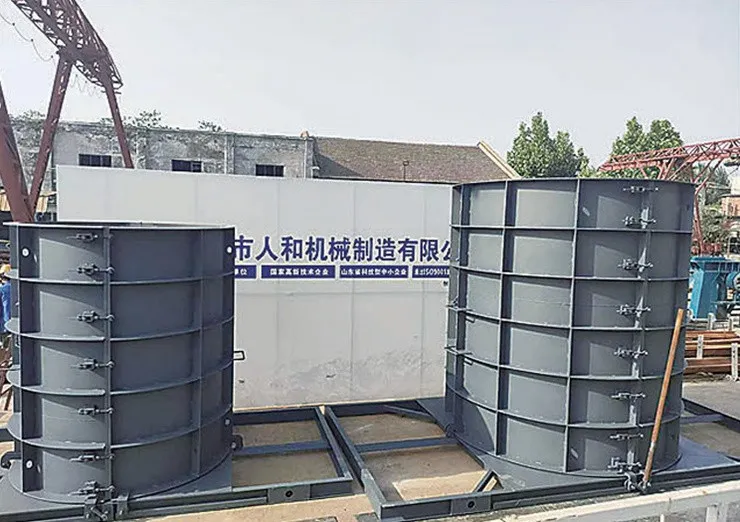
As a rainwater pipe mold supplier, I am committed to meeting the diverse needs of our customers. We offer a wide range of high - quality rainwater pipe molds that are designed to meet the latest industry standards and technological requirements. If you are interested in purchasing rainwater pipe molds or have any questions about our products, please feel free to contact us for more information and to start a procurement negotiation.
References
- "Global Construction Outlook 2030", Global Construction Perspectives and Oxford Economics.
- "Sustainable Drainage Systems: A Review", Journal of Environmental Management.
- "Advances in Manufacturing Technology for Pipe Molds", International Journal of Machine Tools and Manufacture.