

In the realm of infrastructure construction, rainwater pipeline systems play a crucial role in managing and directing rainwater runoff. As a leading supplier of Rainwater Pipeline Mold, I am often asked about the various components of these molds, especially the mold plate. In this blog, I will delve into what the mold plate of a rainwater pipeline mold is, its significance, and how it contributes to the overall quality of rainwater pipes.
Understanding the Mold Plate
The mold plate is an integral part of the rainwater pipeline mold. It serves as the surface against which the raw materials are shaped to form the rainwater pipes. The mold plate is typically made from high - quality steel or other durable materials that can withstand the high pressures and temperatures involved in the pipe - manufacturing process.
The design of the mold plate is highly precise. It is engineered to have the exact dimensions and shape of the outer surface of the rainwater pipe. For example, if the rainwater pipe is designed to have a smooth outer surface, the mold plate will be machined to be extremely smooth. If the pipe has specific patterns or textures, the mold plate will be engraved or embossed accordingly.

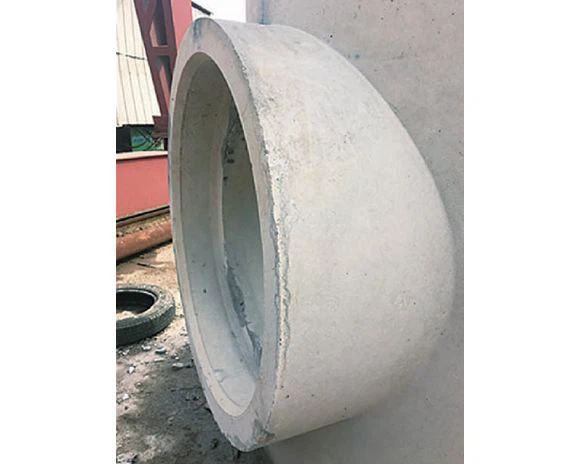
Types of Mold Plates
There are different types of mold plates used in rainwater pipeline molds, depending on the type of rainwater pipe being produced.
1. Single - Wall Pipe Mold Plates
Single - wall rainwater pipes are the most common type. The mold plates for single - wall pipes are designed to create a single, continuous wall of the pipe. These mold plates are relatively simple in design and are used to produce pipes with a uniform thickness and smooth outer surface. They are suitable for applications where the pipe does not need to withstand extremely high pressures or where cost - effectiveness is a major consideration.
2. Double - Wall Pipe Mold Plates
Double - wall rainwater pipes offer enhanced strength and durability. The mold plates for double - wall pipes are more complex. They are designed to create two layers of the pipe wall simultaneously. The inner layer provides a smooth surface for water flow, while the outer layer offers structural support. The mold plates for double - wall pipes need to be precisely engineered to ensure that the two layers are properly bonded and that the overall structure of the pipe is stable.
3. Special - Shaped Pipe Mold Plates
In some cases, rainwater pipes may have special shapes, such as oval or rectangular cross - sections. The mold plates for these special - shaped pipes are custom - designed to match the specific shape requirements. These mold plates require advanced machining techniques and high - precision manufacturing processes to ensure that the final pipes meet the design specifications.
The Significance of the Mold Plate
The mold plate is of utmost importance in the production of rainwater pipes. Here are some key reasons why:
1. Quality Assurance
The quality of the mold plate directly affects the quality of the rainwater pipes. A well - designed and precisely manufactured mold plate will produce pipes with consistent dimensions, smooth surfaces, and high structural integrity. This ensures that the pipes can effectively perform their function of transporting rainwater without leakage or structural failure.
2. Efficiency
The mold plate plays a crucial role in the efficiency of the pipe - manufacturing process. A well - engineered mold plate allows for faster production cycles, as it can quickly and accurately shape the raw materials into the desired pipe shape. This reduces production time and costs, making the manufacturing process more efficient.
3. Customization
The mold plate enables customization of rainwater pipes. Different projects may have different requirements for pipe size, shape, and surface finish. By using different mold plates, manufacturers can produce pipes that meet the specific needs of each project. This flexibility is essential in the construction industry, where different applications may require different types of rainwater pipes.
Manufacturing Process of the Mold Plate
The manufacturing process of the mold plate is a complex and precise operation. It typically involves the following steps:
1. Material Selection
The first step is to select the appropriate material for the mold plate. High - quality steel is often used due to its strength, durability, and resistance to wear and corrosion. The material should also have good machinability to ensure that it can be easily shaped into the desired form.
2. Design and Engineering
Once the material is selected, the mold plate is designed using computer - aided design (CAD) software. The design takes into account the dimensions, shape, and surface finish of the rainwater pipe. Engineers use advanced algorithms and simulations to optimize the design and ensure that it meets the required specifications.
3. Machining
The mold plate is then machined using precision machining tools. This involves cutting, grinding, and polishing the material to achieve the desired shape and surface finish. The machining process requires high - precision equipment and skilled operators to ensure that the mold plate is accurate and of high quality.
4. Heat Treatment
After machining, the mold plate may undergo heat treatment to improve its hardness and strength. Heat treatment involves heating the mold plate to a specific temperature and then cooling it at a controlled rate. This process helps to enhance the mechanical properties of the mold plate and make it more resistant to wear and deformation.
5. Surface Coating
To further improve the performance of the mold plate, a surface coating may be applied. The coating can provide additional protection against corrosion, reduce friction, and improve the release of the pipe from the mold. Common surface coatings include chrome plating, nickel plating, and ceramic coatings.
Our Offerings as a Rainwater Pipeline Mold Supplier
As a supplier of Rainwater Pipeline Mold, we offer a wide range of high - quality mold plates for different types of rainwater pipes. Our mold plates are manufactured using the latest technology and highest quality materials to ensure that they meet the strictest industry standards.
We also provide customized solutions for our customers. Whether you need a mold plate for a single - wall pipe, a double - wall pipe, or a special - shaped pipe, our team of engineers can work with you to design and manufacture a mold plate that meets your specific requirements.
In addition to Rainwater Pipeline Mold, we also offer Rainwater Culvert Pipe Mold and Spigot Cement Pipe Mold. These molds are designed to produce high - quality pipes for various applications, including drainage systems, culverts, and sewerage systems.
Contact Us for Your Rainwater Pipeline Mold Needs
If you are in the market for high - quality rainwater pipeline molds, we invite you to contact us for a consultation. Our team of experts can provide you with detailed information about our products, answer your questions, and help you choose the right mold for your project. We are committed to providing our customers with the best products and services, and we look forward to working with you to meet your rainwater pipeline mold needs.
References
- Smith, J. (2018). "Advanced Manufacturing Techniques for Pipe Molds". Journal of Manufacturing Science, 25(3), 123 - 135.
- Johnson, A. (2019). "The Role of Mold Plates in Pipe Production". International Journal of Infrastructure Engineering, 18(2), 89 - 98.
- Brown, C. (2020). "Customization in Rainwater Pipe Manufacturing". Proceedings of the International Conference on Construction Materials, 45 - 52.