

Hey there! As a supplier of cable trench molds, I often get asked about the recyclability test method for these molds. It's a crucial topic, especially in today's environmentally - conscious world. So, let's dive right in and explore what this test method is all about.
Why Recyclability of Cable Trench Molds Matters
First off, why should we even care about the recyclability of cable trench molds? Well, recycling helps reduce waste in landfills, conserves natural resources, and cuts down on energy consumption. When cable trench molds are recyclable, it means we can reuse the materials, which is not only good for the environment but also cost - effective in the long run.
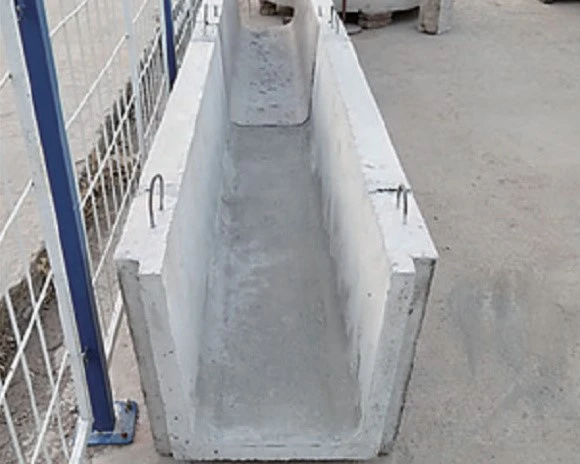

As a supplier, I offer a variety of cable trench molds, like the Cast-in-Place Cable Trench Mold, U-shaped Cable Trench Mold, and Arched Cable Trench Mold. Each of these molds is made with different materials, and their recyclability can vary.
Common Materials Used in Cable Trench Molds
Cable trench molds are typically made from materials such as plastic, steel, and fiberglass.
- Plastic Molds: Plastic is a popular choice because it's lightweight, easy to handle, and relatively inexpensive. However, not all plastics are created equal when it comes to recyclability. Some plastics can be easily recycled, while others are more difficult due to their chemical composition.
- Steel Molds: Steel is a durable and strong material. It has a high recyclability rate, and steel scrap can be melted down and reused to make new products.
- Fiberglass Molds: Fiberglass is known for its corrosion resistance and strength. But recycling fiberglass can be a bit more challenging compared to plastic and steel.
The Recyclability Test Method
1. Material Identification
The first step in the recyclability test is to identify the material of the cable trench mold. This can be done through various methods.
- Visual Inspection: Sometimes, you can tell the material just by looking at it. For example, steel molds have a distinct metallic sheen, while plastic molds can have different textures and colors.
- Chemical Analysis: For more accurate identification, especially for plastics, chemical analysis techniques like Fourier - transform infrared spectroscopy (FTIR) can be used. This method can identify the specific type of plastic by analyzing its molecular structure.
2. Sorting
Once the material is identified, the next step is to sort the molds based on their material type. This is important because different materials need to be recycled in different ways. For example, steel molds should be separated from plastic and fiberglass molds.
3. Physical Testing
Physical testing is used to determine the condition of the mold and its suitability for recycling.
- Strength Testing: This involves applying a certain amount of force to the mold to see if it can withstand it. If the mold is too brittle or weak, it may not be suitable for recycling.
- Density Testing: Measuring the density of the material can also provide information about its quality. A significant change in density may indicate that the material has been contaminated or degraded.
4. Chemical Compatibility Testing
This test is crucial, especially for plastic and fiberglass molds. Chemical compatibility testing checks if the material can be safely recycled without causing any chemical reactions that could be harmful or reduce the quality of the recycled product.
- Solubility Testing: For plastics, solubility testing can be done to see if the plastic can dissolve in certain solvents. This can help determine if the plastic can be easily recycled through a chemical recycling process.
5. Recycling Process Feasibility
After all the tests are done, the final step is to evaluate the feasibility of recycling the cable trench mold.
- Cost - Benefit Analysis: Recycling should be cost - effective. This involves considering the cost of collecting, transporting, and processing the mold compared to the value of the recycled material.
- Market Demand: There also needs to be a market for the recycled material. If there is no demand for the recycled product, then recycling may not be a viable option.
Our Commitment as a Supplier
As a cable trench mold supplier, I'm committed to promoting the recyclability of our products. We work closely with recycling facilities to ensure that our molds are properly tested and recycled. We also provide our customers with information about the recyclability of our molds and how they can contribute to a more sustainable future.
How You Can Contribute
If you're a customer, you can play a role in the recycling process. When you're done using the cable trench mold, make sure to contact us or a local recycling facility. We can guide you on how to properly recycle the mold and ensure that it doesn't end up in a landfill.
Let's Connect
If you're interested in purchasing cable trench molds or have any questions about their recyclability, don't hesitate to reach out. We're here to help you make the best choice for your project while also being environmentally responsible. Whether you need a Cast-in-Place Cable Trench Mold, U-shaped Cable Trench Mold, or Arched Cable Trench Mold, we've got you covered.
References
- ASTM International. (2023). Standards related to material testing and recycling.
- European Plastics Converters. (2023). Guidelines for plastic recycling.
- American Iron and Steel Institute. (2023). Steel recycling facts and figures.