

When it comes to cable trench molds, ensuring their durability and performance under various environmental conditions is crucial. One of the key environmental factors that can significantly affect the lifespan and functionality of cable trench molds is ultraviolet (UV) radiation. In this blog, we will explore the UV resistance test method for cable trench molds, especially as a cable trench mold supplier deeply concerned about product quality and customer satisfaction.
Understanding the Importance of UV Resistance for Cable Trench Molds
Cable trench molds are often used outdoors, exposed to sunlight for extended periods. UV radiation from the sun can cause a range of problems for these molds. Over time, UV rays can lead to discoloration, embrittlement, and a reduction in the mechanical properties of the mold materials. This can result in premature wear and tear, cracking, and a decrease in the mold's ability to produce consistently high - quality cable trenches.
As a cable trench mold supplier, we understand that our customers rely on our molds to work effectively for a long time. A mold with poor UV resistance not only shortens the service life of the mold itself but also affects the quality and cost - effectiveness of cable trench construction projects. Therefore, testing the UV resistance of cable trench molds is an essential step in our quality control process.
Types of Cable Trench Molds Offered
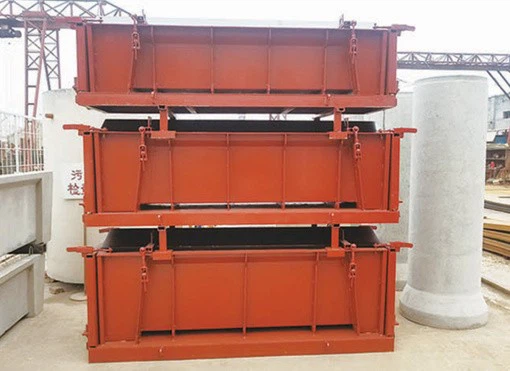
Before delving into the UV resistance test method, let's briefly introduce the types of cable trench molds we supply. We offer a variety of options to meet different project requirements, including Rectangular Cable Trench Mold, Cast - in - Place Cable Trench Mold, and U - shaped Cable Trench Mold. Each type has its unique advantages and applications, but all of them need to withstand UV radiation to ensure long - term performance.
UV Resistance Test Method for Cable Trench Molds
Sample Preparation
The first step in the UV resistance test is to prepare the samples. Samples should be taken from the actual cable trench mold production batch. The size and shape of the samples should be representative of the mold's structure and thickness. For example, if the mold has a varying thickness, samples should be taken from different thickness areas to ensure comprehensive testing.
Samples are usually cut or machined to a standard size, often around 100mm x 100mm x 3mm, depending on the test equipment and standards. The surface of the samples should be smooth and free of any scratches or defects that could affect the test results.

Test Equipment
A UV weathering chamber is the primary equipment used for the UV resistance test. This chamber can simulate the outdoor UV radiation environment, including different intensities of UV light, temperature, and humidity conditions. Some advanced UV weathering chambers can also simulate rainfall and condensation cycles, providing a more realistic outdoor environment for testing.
The chamber is equipped with UV lamps that emit UV radiation in the wavelength range similar to that of natural sunlight. The intensity of the UV radiation can be adjusted according to the test requirements. Additionally, the chamber has a temperature and humidity control system to maintain a stable test environment.
Test Procedure
- Initial Inspection: Before placing the samples in the UV weathering chamber, a thorough inspection is carried out. This includes measuring the initial appearance, such as color, gloss, and surface smoothness, as well as the initial mechanical properties, such as tensile strength and hardness. These initial values will be used as a reference for comparison after the test.
- Test Conditions Setting: The test conditions are determined based on the expected service environment of the cable trench molds. For example, if the molds are to be used in a region with high sunlight intensity, the UV radiation intensity in the chamber is set to a relatively high level. The test time is usually set according to a specific standard or project requirement. Commonly, the test duration can range from several hundred hours to thousands of hours.
- Sample Placement: The prepared samples are placed in the UV weathering chamber. They are arranged in a way that ensures uniform exposure to UV radiation. The samples should not overlap, and there should be sufficient space between them to allow for proper air circulation.
- Periodic Monitoring: During the test, the samples are regularly monitored. This includes visual inspection for any signs of discoloration, cracking, or surface degradation. In addition, some mechanical property tests may be conducted at regular intervals, such as measuring the change in tensile strength or hardness.
- Final Evaluation: After the test is completed, a comprehensive evaluation is carried out. The final appearance and mechanical properties of the samples are compared with the initial values. If the changes in appearance and properties are within the acceptable range specified by the relevant standards or customer requirements, the cable trench mold is considered to have satisfactory UV resistance.
Factors Affecting the UV Resistance Test Results
- Material Composition: Different materials used in cable trench molds have different UV resistance capabilities. For example, some plastics with UV stabilizers added have better UV resistance than plain plastics. The quality and proportion of additives in the material can significantly affect the test results.
- Mold Manufacturing Process: Poor manufacturing processes can create internal stresses or surface defects in the mold. These can act as weak points, making the mold more susceptible to UV damage. For example, if the mold has uneven cooling during the injection - molding process, it may have different degrees of crystallization in different parts, leading to inconsistent UV resistance.
- Test Conditions: The accuracy of the test conditions, such as UV radiation intensity, temperature, and humidity, can directly affect the test results. Any deviation from the standard test conditions can lead to inaccurate evaluations.
How Our Company Ensures UV - Resistant Cable Trench Molds
As a cable trench mold supplier, we take several measures to ensure the UV resistance of our products. Firstly, we carefully select high - quality materials with good UV resistance properties. We work closely with material suppliers to ensure that the raw materials meet our strict quality standards.
Secondly, our manufacturing process is highly controlled. We use advanced production equipment and techniques to ensure uniform quality throughout the mold. Quality control checks are carried out at every stage of the manufacturing process to detect and correct any potential issues.
Finally, we conduct regular UV resistance tests on our cable trench molds. By continuously monitoring the test results, we can make improvements to our materials and manufacturing processes to ensure that our products always meet or exceed customer expectations.
Contact Us for Purchase and Negotiation
If you are in the market for high - quality cable trench molds with excellent UV resistance, we would love to hear from you. Our team of experts can provide you with detailed product information, technical support, and customized solutions to meet your specific project needs. Whether you need a Rectangular Cable Trench Mold, Cast - in - Place Cable Trench Mold, or U - shaped Cable Trench Mold, feel free to reach out to us for negotiation.
References
- ASTM D4329 - 13, Standard Practice for Fluorescent Ultraviolet (UV) Lamp Apparatus Exposure of Plastics.
- ISO 4892 - 3:2016, Plastics - Methods of exposure to laboratory light sources - Part 3: Fluorescent UV lamps.