

When it comes to rainwater pipeline molds, one of the frequently asked questions is about their weight. As a supplier of rainwater pipeline molds, I have encountered this query numerous times from clients around the globe. Understanding the weight of a rainwater pipeline mold is crucial for various reasons, including transportation, installation, and overall handling.

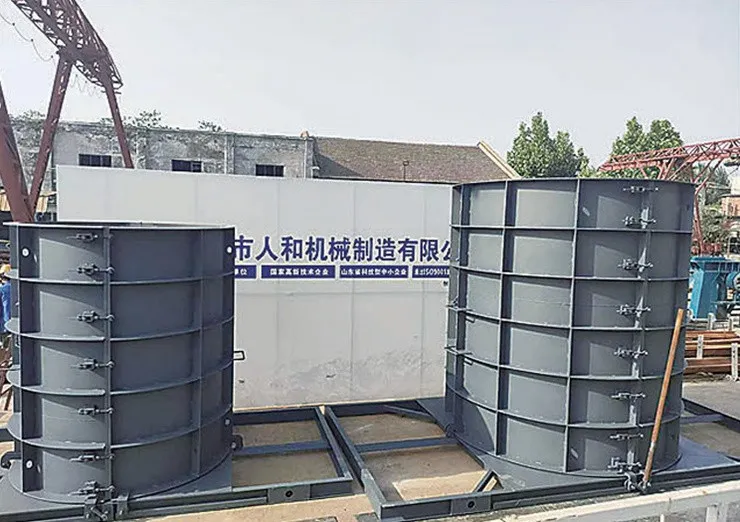
Factors Affecting the Weight of Rainwater Pipeline Molds
The weight of a rainwater pipeline mold is influenced by several key factors. First and foremost is the material used in its construction. Most rainwater pipeline molds are made from high - strength steel, cast iron, or fiberglass. Steel molds are known for their durability and are often used for large - scale production. They are relatively heavy due to the density of steel. Cast iron molds, on the other hand, are also heavy but offer excellent wear resistance. Fiberglass molds are lighter compared to steel and cast iron, making them easier to handle, but they may not be as durable in high - stress applications.
The size and dimensions of the mold also play a significant role in determining its weight. Larger molds, which are used to produce longer or wider rainwater pipes, will naturally weigh more than smaller ones. For example, a mold designed to produce a 6 - meter long rainwater pipe will be heavier than a mold for a 2 - meter long pipe. Additionally, the wall thickness of the mold affects its weight. Thicker walls provide more strength but also add to the overall mass.
The design complexity of the mold can also contribute to its weight. Molds with intricate details, such as those with special joint designs or decorative elements, may require more material, thus increasing their weight. For instance, a Mold for Socket and Spigot Cement Pipe typically has a more complex design compared to a simple Mold for Plain - ended Cement Pipe, and as a result, it may weigh more.
Typical Weight Ranges
To give you a better idea of the weight ranges, let's look at some common types of rainwater pipeline molds. Small - scale fiberglass molds for residential rainwater pipes, with a length of around 2 - 3 meters and a standard diameter, may weigh anywhere from 50 to 150 kilograms. These are relatively easy to handle and transport, making them a popular choice for small construction projects.
Steel molds for medium - sized commercial rainwater pipes, with lengths of 4 - 6 meters and larger diameters, can weigh between 500 and 2000 kilograms. These molds are built to withstand high - pressure casting processes and are used in large - scale production facilities.
For heavy - duty industrial applications, such as Chemical Park Drainage Pipe Mold, the weight can be even higher. These molds are designed to produce pipes that can withstand harsh chemical environments and high - volume water flow. They can weigh upwards of 2000 kilograms, sometimes reaching 5000 kilograms or more, depending on their size and complexity.
Importance of Knowing the Weight
Understanding the weight of a rainwater pipeline mold is essential for several practical reasons. From a transportation perspective, it helps in determining the appropriate mode of transport. Heavier molds may require specialized trucks or even cranes for loading and unloading. It also affects the cost of transportation, as heavier items generally incur higher shipping fees.
During the installation process, knowing the weight is crucial for ensuring the safety of the workers and the stability of the installation site. Workers need to use proper lifting equipment to handle heavy molds, and the installation area must be able to support the weight of the mold.
Moreover, the weight can also impact the overall cost of production. Heavier molds may require more energy to operate and maintain, which can increase the production cost. Additionally, the wear and tear on machinery used to handle the molds may be more significant with heavier molds, leading to higher maintenance costs over time.
How We Ensure Quality and Appropriate Weight
As a rainwater pipeline mold supplier, we take great care in designing and manufacturing our molds to ensure they meet the highest quality standards while also having an appropriate weight. Our team of experienced engineers uses advanced design software to optimize the structure of the molds, reducing unnecessary weight without compromising on strength and durability.
We carefully select the materials for our molds based on the specific requirements of our clients. For projects where weight is a critical factor, we may recommend fiberglass or lightweight steel options. For applications that require high - strength and durability, we use high - quality steel or cast iron.
We also conduct rigorous quality control tests on all our molds. This includes checking the weight accuracy to ensure that it matches the specifications provided to our clients. Our quality control process also involves inspecting the molds for any defects or irregularities that could affect their performance.
Conclusion
In conclusion, the weight of a rainwater pipeline mold is a complex topic influenced by various factors such as material, size, design, and application. Understanding these factors is essential for making informed decisions when it comes to purchasing, transporting, and using these molds.
If you are in the market for rainwater pipeline molds, we are here to assist you. Our team of experts can provide you with detailed information about the weight, specifications, and performance of our molds. Whether you need a Mold for Socket and Spigot Cement Pipe, a Mold for Plain - ended Cement Pipe, or a Chemical Park Drainage Pipe Mold, we can offer you the right solution. Contact us today to start a discussion about your specific requirements and let us help you find the perfect rainwater pipeline mold for your project.
References
- Engineering Handbook of Pipe Manufacturing
- Materials Science in Mold Production
- Industry Standards for Rainwater Pipeline Molds