

Hey there! As a supplier of drainage canal molds, I often get asked about the weight of these molds. It's a crucial question, especially for those planning to transport, install, or handle them. In this blog, I'll break down the typical weights of different drainage canal molds and give you some insights into what affects their weight.
Understanding the Basics of Drainage Canal Molds
Before we dive into the weights, let's quickly go over what drainage canal molds are. These molds are used to create canals that help in draining water, whether it's for agricultural purposes, urban infrastructure, or industrial sites. They come in various shapes and sizes, each designed to meet specific needs.
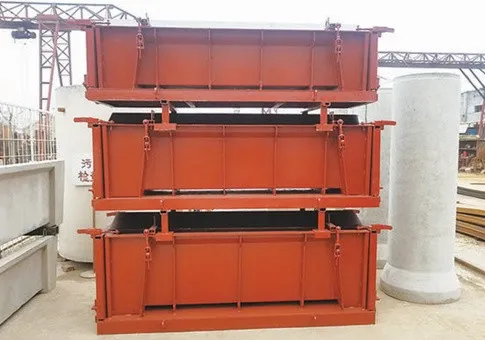
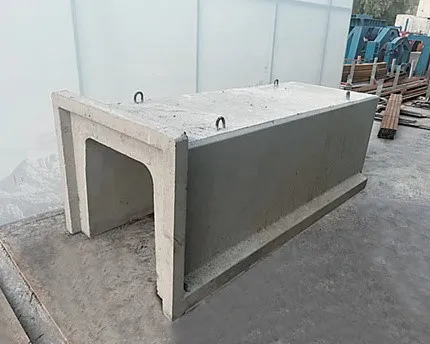
The most common types of drainage canal molds include Farmland Irrigation Canal Mold, Canal Mold, and Rectangular Groove Mold. Each type has its own unique characteristics, which also influence its weight.
Factors Affecting the Weight of Drainage Canal Molds
Several factors contribute to the weight of drainage canal molds. Here are the main ones:
Material
The material used to make the mold is a significant factor. Most drainage canal molds are made from either plastic, fiberglass, or metal. Plastic molds are generally the lightest, followed by fiberglass, and then metal.
Plastic molds are popular because they're easy to handle and transport. They're also corrosion-resistant and relatively inexpensive. Fiberglass molds are stronger and more durable than plastic, but they're also heavier. Metal molds, such as those made from steel or aluminum, are the heaviest but offer the highest level of strength and durability.
Size and Dimensions
The size and dimensions of the mold also play a crucial role in determining its weight. Larger molds naturally weigh more than smaller ones. Additionally, the thickness of the mold walls can affect the weight. Thicker walls provide more strength but also add to the overall weight.
Design Complexity
Molds with more complex designs tend to be heavier. This is because they require more material to create the intricate shapes and features. For example, a mold with multiple curves and angles will weigh more than a simple, straight-sided mold.
Typical Weights of Different Drainage Canal Molds
Plastic Drainage Canal Molds
Plastic molds are the most lightweight option. A small to medium-sized Farmland Irrigation Canal Mold made from plastic can weigh anywhere from 5 to 20 pounds (2.3 to 9.1 kilograms). Larger plastic molds, such as those used for industrial drainage, can weigh up to 50 pounds (22.7 kilograms) or more.
Fiberglass Drainage Canal Molds
Fiberglass molds are heavier than plastic but lighter than metal. A typical Canal Mold made from fiberglass can weigh between 20 and 50 pounds (9.1 to 22.7 kilograms) for smaller sizes. Larger fiberglass molds can weigh up to 100 pounds (45.4 kilograms) or more, depending on their dimensions and design.
Metal Drainage Canal Molds
Metal molds are the heaviest of the three. A small Rectangular Groove Mold made from steel can weigh around 50 pounds (22.7 kilograms). Larger metal molds, especially those used for large-scale infrastructure projects, can weigh several hundred pounds or even tons.
Importance of Knowing the Weight
Knowing the weight of drainage canal molds is essential for several reasons. Firstly, it helps with transportation planning. If you're shipping the molds, you need to ensure that your transport vehicle can handle the weight. Overloading a vehicle can lead to safety issues and may also result in damage to the molds.
Secondly, the weight affects the installation process. Heavier molds may require specialized equipment, such as cranes or forklifts, to lift and position them correctly. This can add to the installation costs and time.
Finally, understanding the weight can help you choose the right type of mold for your project. If you have limited resources for transportation and installation, a lighter plastic or fiberglass mold may be a better choice. On the other hand, if you need a mold that can withstand heavy use and harsh conditions, a metal mold may be more suitable.
Conclusion
In conclusion, the weight of typical drainage canal molds varies depending on the material, size, dimensions, and design complexity. Plastic molds are the lightest, followed by fiberglass, and then metal. Knowing the weight of the molds is crucial for transportation, installation, and project planning.
If you're in the market for drainage canal molds and have any questions about their weight or other specifications, feel free to reach out. We're here to help you find the perfect mold for your needs. Whether you're working on a small farm project or a large-scale infrastructure development, we've got the right solution for you.
References
- "Drainage Canal Design and Construction Handbook" - A comprehensive guide on drainage canal systems.
- "Materials for Mold Making" - An article discussing the different materials used in mold manufacturing.