

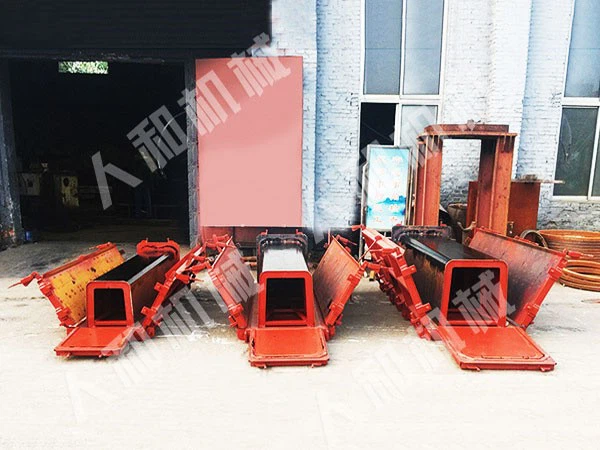
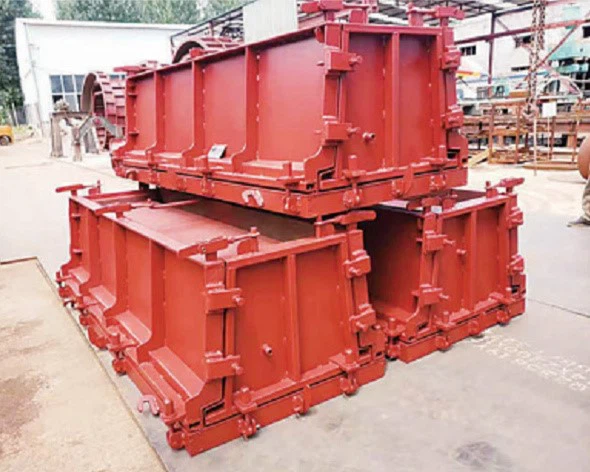
Hey there! As a supplier of Rectangular Groove Molds, I'm super stoked to share with you the various surface treatments available for these molds. Rectangular groove molds are widely used in construction, drainage, and other industries, and the right surface treatment can significantly enhance their performance, durability, and overall quality.
1. Polishing
Polishing is one of the most common surface treatments for rectangular groove molds. It involves using abrasive materials to smooth the surface of the mold, resulting in a shiny and reflective finish. This treatment not only gives the mold an aesthetically pleasing appearance but also has several practical benefits.
A polished surface reduces friction between the mold and the material being cast, making it easier to remove the finished product. This is especially important when working with materials that tend to stick, such as concrete. Additionally, a smooth surface helps prevent the buildup of dirt, debris, and residue, which can affect the quality of the castings over time.
There are different levels of polishing, ranging from a basic mechanical polish to a high - gloss mirror finish. The choice of polish depends on the specific requirements of the application. For example, if the mold is used for producing high - precision parts, a more refined polish may be necessary.
2. Electroplating
Electroplating is another popular surface treatment for rectangular groove molds. It involves depositing a thin layer of metal onto the surface of the mold through an electrochemical process. Common metals used for electroplating include chrome, nickel, and zinc.
Chrome plating is well - known for its excellent corrosion resistance and hardness. A chrome - plated mold can withstand harsh environmental conditions and resist wear and tear, making it ideal for long - term use. Nickel plating, on the other hand, provides good lubricity and a smooth surface finish. It can also improve the mold's resistance to chemical attack. Zinc plating is often used as a sacrificial coating to protect the underlying metal from corrosion.
Electroplating not only enhances the mold's durability but also improves its release properties. The plated layer acts as a barrier between the mold and the casting material, reducing the likelihood of adhesion. This results in better - quality castings with fewer defects. You can learn more about related molds on our Flume Mold and Canal Mold pages.
3. Nitriding
Nitriding is a heat - treatment process that introduces nitrogen into the surface of the mold. This creates a hard and wear - resistant layer, known as a nitride layer, on the mold's surface. Nitriding can significantly improve the mold's hardness, fatigue resistance, and resistance to galling and seizure.
There are different types of nitriding processes, such as gas nitriding, ion nitriding, and salt - bath nitriding. Gas nitriding is a widely used method that involves heating the mold in a nitrogen - rich atmosphere. Ion nitriding, on the other hand, uses an electric field to accelerate nitrogen ions onto the mold surface, resulting in a more precise and controlled process.
The nitride layer formed during nitriding can increase the mold's lifespan, especially in high - stress applications. It also helps maintain the dimensional stability of the mold, ensuring consistent casting quality over time.
4. Coating with PTFE (Teflon)
Coating the rectangular groove mold with PTFE, commonly known as Teflon, is an effective way to improve its release properties. PTFE is a synthetic fluoropolymer that has extremely low surface energy, which means that materials have a hard time sticking to it.
A PTFE - coated mold allows for easy removal of the castings, even when using sticky materials. This reduces the need for release agents, which can sometimes leave residue on the castings. Additionally, PTFE coatings are resistant to chemicals, heat, and abrasion, making them suitable for a wide range of applications.
However, it's important to note that PTFE coatings may have limitations in terms of durability, especially in high - wear environments. Regular maintenance and re - coating may be required to ensure optimal performance.
5. Anodizing (for Aluminum Molds)
If the rectangular groove mold is made of aluminum, anodizing is a great surface treatment option. Anodizing is an electrochemical process that forms a protective oxide layer on the surface of the aluminum. This layer is hard, corrosion - resistant, and can be dyed to achieve different colors.
Anodized aluminum molds are more resistant to scratches and wear compared to untreated aluminum. The anodized layer also provides a good base for paint or other coatings, if desired. In addition, anodizing can improve the mold's heat dissipation properties, which is beneficial when working with materials that generate a lot of heat during the casting process.
6. Shot Peening
Shot peening is a mechanical surface treatment that involves bombarding the mold surface with small spherical particles, called shots. This process creates compressive stresses on the surface of the mold, which can improve its fatigue resistance and strength.
Shot peening can also help to close surface pores and defects, reducing the risk of corrosion and cracking. It can be used in combination with other surface treatments, such as electroplating or nitriding, to further enhance the mold's performance.
Factors to Consider When Choosing a Surface Treatment
When deciding on the appropriate surface treatment for your rectangular groove mold, several factors need to be taken into account:
- Material of the Mold: Different materials respond differently to surface treatments. For example, steel molds may be suitable for electroplating, nitriding, and polishing, while aluminum molds are well - suited for anodizing.
- Type of Casting Material: The properties of the material being cast, such as its viscosity, adhesion, and chemical composition, will influence the choice of surface treatment. For sticky materials, a treatment that improves release properties, like PTFE coating, may be necessary.
- Operating Conditions: Consider the environment in which the mold will be used. If it will be exposed to high temperatures, corrosive chemicals, or high - wear conditions, a more durable surface treatment, such as chrome plating or nitriding, may be required.
- Cost: Surface treatments can vary significantly in cost. You need to balance the benefits of the treatment with your budget. Sometimes, a less expensive treatment may be sufficient for your needs.
In conclusion, choosing the right surface treatment for your rectangular groove mold is crucial for achieving high - quality castings and prolonging the mold's lifespan. Each treatment has its own unique advantages, and the decision should be based on a careful evaluation of your specific requirements. If you're in the market for a Rectangular Groove Mold or need advice on surface treatments, don't hesitate to reach out. We're here to help you find the best solution for your project.
References
- ASM Handbook Volume 5: Surface Engineering. ASM International.
- Tool and Die Making Handbook. Society of Manufacturing Engineers.
- Modern Plastics Encyclopedia. McGraw - Hill.