

Flippers are versatile and widely used in various industries for tasks such as material handling, product turnover, and manufacturing processes. As a flipper supplier, I have witnessed firsthand the numerous benefits that these machines bring to businesses. However, like any technology or equipment, flippers also have their disadvantages. In this blog post, I will explore some of the potential drawbacks of using flippers and provide insights into how businesses can mitigate these issues.
High Initial Investment
One of the most significant disadvantages of using flippers is the high initial investment required. Flippers are complex machines that require specialized engineering, manufacturing, and installation. The cost of purchasing a flipper can vary depending on its size, capacity, features, and the specific industry it is designed for. For example, a Prefabricated Turnover Machine used in the construction industry may cost significantly more than a smaller, less complex flipper used in a small manufacturing facility.
In addition to the purchase price, businesses also need to consider the cost of installation, training, and maintenance. Installing a flipper may require modifications to the existing infrastructure, such as the installation of new electrical or hydraulic systems. Training employees to operate the flipper safely and efficiently also adds to the overall cost. Moreover, regular maintenance and servicing are essential to ensure the flipper's optimal performance and longevity, which can further increase the total cost of ownership.
Limited Flexibility
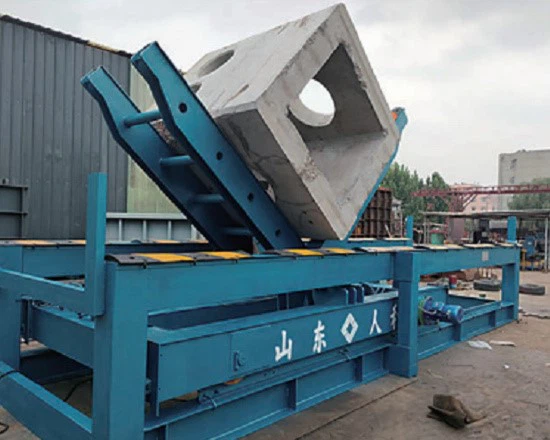
Another disadvantage of using flippers is their limited flexibility. Flippers are typically designed for specific applications and tasks, and they may not be easily adaptable to different products or processes. For example, a 180-degree Turnover Device used for turning over concrete products may not be suitable for handling other materials or products with different shapes and sizes.
This lack of flexibility can be a significant limitation for businesses that need to process a variety of products or change their production processes frequently. In such cases, businesses may need to invest in multiple flippers or other equipment to meet their diverse needs, which can further increase the cost and complexity of their operations.

Safety Risks
Flippers are powerful machines that can pose significant safety risks if not used properly. The high-speed rotation and movement of the flipper can cause serious injuries to operators and other personnel in the vicinity. For example, if a person gets caught in the moving parts of the flipper, they may suffer from crush injuries, amputations, or other severe injuries.
In addition to the physical risks, flippers also generate noise and vibrations, which can have a negative impact on the health and well-being of operators. Prolonged exposure to high levels of noise and vibrations can cause hearing loss, musculoskeletal disorders, and other health problems.
To mitigate these safety risks, businesses need to provide comprehensive training to their employees on how to operate the flipper safely. They also need to implement strict safety protocols and procedures, such as the use of personal protective equipment (PPE), the installation of safety guards and sensors, and regular maintenance and inspections of the flipper.
Maintenance and Downtime
Flippers are complex machines that require regular maintenance and servicing to ensure their optimal performance and longevity. The maintenance requirements of a flipper can vary depending on its size, capacity, and the specific industry it is designed for. For example, a Hydraulic Cement Turnover Machine used in the construction industry may require more frequent maintenance and servicing than a smaller, less complex flipper used in a small manufacturing facility.
Regular maintenance and servicing of a flipper can be time-consuming and costly. It may require the shutdown of the production line, which can result in significant downtime and lost productivity. Moreover, if a flipper breaks down unexpectedly, it can cause further disruptions to the production process and result in additional costs and delays.
To minimize the impact of maintenance and downtime on their operations, businesses need to develop a comprehensive maintenance plan for their flippers. This plan should include regular inspections, lubrication, and replacement of worn parts. Businesses should also have a contingency plan in place to deal with unexpected breakdowns and minimize the downtime.
Environmental Impact
Flippers are typically powered by electricity or hydraulic systems, which can have a significant environmental impact. The consumption of electricity and hydraulic fluid can contribute to greenhouse gas emissions and other environmental problems. In addition, the manufacturing and disposal of flippers can also have a negative impact on the environment.
To reduce the environmental impact of using flippers, businesses can consider using energy-efficient models or alternative power sources, such as solar or wind energy. They can also implement recycling and waste management programs to minimize the amount of waste generated by the manufacturing and disposal of flippers.
Conclusion
While flippers offer numerous benefits to businesses, they also have their disadvantages. The high initial investment, limited flexibility, safety risks, maintenance and downtime, and environmental impact are some of the potential drawbacks of using flippers. However, by understanding these disadvantages and taking appropriate measures to mitigate them, businesses can maximize the benefits of using flippers and minimize the negative impact on their operations.
If you are considering purchasing a flipper for your business, it is important to do your research and choose a reputable supplier. At our company, we offer a wide range of high-quality flippers, including Precast Cement Product Turnover Device and 180-degree Turnover Machine, that are designed to meet the specific needs of your industry. Our experienced team can provide you with expert advice and support to help you choose the right flipper for your business and ensure its optimal performance and longevity.
If you have any questions or would like to learn more about our flippers, please do not hesitate to contact us. We look forward to speaking with you and helping you find the right solution for your business.
References
- Smith, J. (2020). The Advantages and Disadvantages of Using Flippers in Manufacturing. Journal of Manufacturing Technology, 15(2), 45-52.
- Johnson, A. (2019). Safety Considerations for Operating Flippers. Industrial Safety Journal, 20(3), 67-74.
- Brown, C. (2018). Maintenance and Downtime Management for Flippers. Manufacturing Operations Management, 12(4), 89-96.