

Can a Spigot Cement Pipe Mold be used for different types of cement?
As a supplier of spigot cement pipe molds, I often encounter inquiries from customers about the compatibility of our molds with different types of cement. This topic is not only crucial for customers looking to make informed purchasing decisions but also for understanding the versatility and efficiency of our products. In this blog, I will delve into the question of whether a spigot cement pipe mold can be used for different types of cement, exploring the factors involved and providing practical insights.
Understanding Spigot Cement Pipe Molds
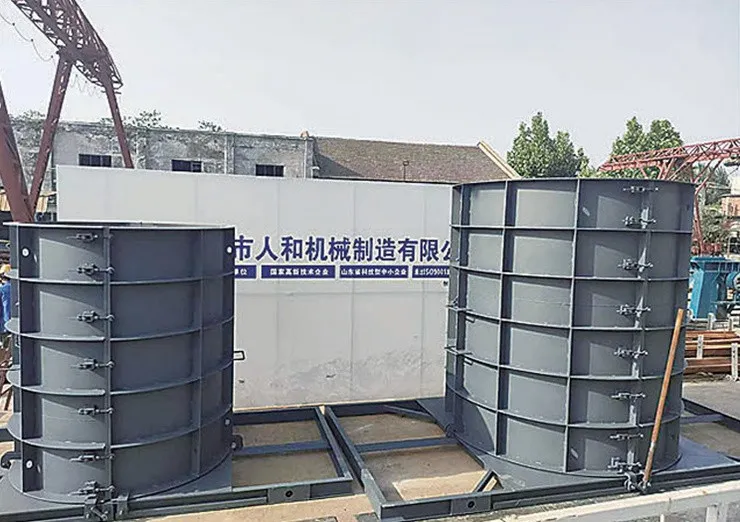
Before discussing the compatibility with different cements, it's essential to understand what a spigot cement pipe mold is. A spigot cement pipe mold is a specialized tool used in the manufacturing of cement pipes with a spigot - end design. The spigot end allows for easy connection and alignment of pipes during installation, making them suitable for various applications such as drainage systems, sewage disposal, and irrigation.
Our spigot cement pipe molds are designed with precision to ensure consistent pipe dimensions and high - quality finishes. They are typically made from durable materials such as steel or high - strength plastics, which can withstand the pressure and stress of the cement - pouring process.
Different Types of Cement
There are several types of cement available in the market, each with its unique properties and applications. The most common types include:

- Ordinary Portland Cement (OPC): This is the most widely used type of cement. It offers good strength and durability, making it suitable for general construction purposes, including the production of cement pipes. OPC sets and hardens relatively quickly, which is beneficial for mass - production of pipes.
- Portland Pozzolana Cement (PPC): PPC is a blend of Portland cement and pozzolanic materials such as fly ash or volcanic ash. It has better resistance to chemical attacks and is more environmentally friendly compared to OPC. PPC also has a slower setting time, which can be an advantage in some cases where a longer working time is required.
- Sulphate - Resistant Cement (SRC): As the name suggests, SRC is designed to resist the harmful effects of sulphates in soil and water. It is commonly used in areas where the soil or groundwater has a high sulphate content, such as in coastal regions or areas with industrial pollution.
- High - Alumina Cement (HAC): HAC has a high alumina content, which gives it rapid hardening properties and high early strength. It is often used in applications where quick - setting and high - strength are required, such as in emergency repairs or in cold weather conditions.
Compatibility of Spigot Cement Pipe Molds with Different Cements
The good news is that, in most cases, a spigot cement pipe mold can be used with different types of cement. However, there are several factors to consider to ensure optimal results:
- Setting Time: Different cements have different setting times. For example, OPC sets relatively quickly, while PPC has a slower setting time. The setting time can affect the demolding process. If the cement sets too quickly, it may be difficult to remove the pipe from the mold without causing damage. On the other hand, if the setting time is too long, it can slow down the production process. Our spigot cement pipe molds are designed to accommodate a range of setting times, but it's important to adjust the production process accordingly.
- Strength and Durability: The strength and durability requirements of the final pipe will depend on its intended application. For example, pipes used in high - traffic areas or in areas with heavy loads may require a stronger cement, such as HAC or OPC. Our molds are designed to withstand the pressure exerted by different - strength cements during the curing process, ensuring that the pipes maintain their shape and integrity.
- Chemical Resistance: If the pipes are to be used in an environment with high chemical exposure, such as in a Chemical Park Drainage Pipe Mold, then a cement with high chemical resistance, such as SRC, is recommended. Our molds are made from materials that are resistant to chemical corrosion, ensuring that they can be used with different types of chemically - resistant cements.
Advantages of Using Different Cements with Spigot Cement Pipe Molds
Using different types of cement with our spigot cement pipe molds offers several advantages:
- Customization: Customers can choose the type of cement based on the specific requirements of their project. For example, if a project requires pipes with high chemical resistance, they can use SRC. If a longer working time is needed, PPC can be a good choice.
- Cost - Efficiency: Different cements have different costs. By being able to use different types of cement with our molds, customers can optimize their costs without compromising on the quality of the pipes. For example, in areas where OPC is readily available and cost - effective, it can be used for general - purpose pipe production.
- Environmental Considerations: Using environmentally friendly cements such as PPC can reduce the carbon footprint of the project. Our spigot cement pipe molds support the use of these sustainable cements, allowing customers to contribute to a greener construction industry.
Case Studies
To illustrate the practical applications of using different cements with our spigot cement pipe molds, let's look at a few case studies:
Case 1: Residential Drainage System
In a residential construction project, the contractor used OPC with our spigot cement pipe molds to produce drainage pipes. OPC was chosen for its quick - setting properties, which allowed for a fast - paced production process. The pipes produced were of high quality and met the required strength standards for the residential drainage system.
Case 2: Coastal Industrial Project
For a coastal industrial project, where the soil and groundwater had a high sulphate content, the contractor opted for SRC. Our spigot cement pipe molds were able to handle the unique properties of SRC, and the resulting pipes had excellent resistance to sulphate attacks, ensuring the long - term durability of the drainage system.
Conclusion
In conclusion, a spigot cement pipe mold can indeed be used for different types of cement. Our molds are designed to be versatile and can accommodate the various properties of different cements, including setting time, strength, and chemical resistance. Whether you are using OPC for general - purpose applications, PPC for environmentally friendly projects, SRC for chemically - aggressive environments, or HAC for high - strength requirements, our spigot cement pipe molds can help you produce high - quality pipes.
If you are in the market for a reliable spigot cement pipe mold or need more information about using different cements with our molds, feel free to contact us. We also offer other types of molds such as Rainwater Pipeline Mold and Mold for Plain - ended Cement Pipe. Our team of experts is ready to assist you in making the right choice for your project. We look forward to discussing your requirements and providing you with the best solutions for your cement pipe manufacturing needs.
References
- Neville, A. M. (1995). Properties of Concrete. Pearson Education.
- Mindess, S., Young, J. F., & Darwin, D. (2003). Concrete: Microstructure, Properties, and Materials. McGraw - Hill.