

Choosing the right color for drainage canal molds is a decision that goes beyond mere aesthetics. As a seasoned supplier of drainage canal molds, I've witnessed firsthand how color selection can impact functionality, durability, and overall project success. In this blog, I'll share insights and guidelines to help you make an informed choice when it comes to the color of your drainage canal molds.
Understanding the Role of Color in Drainage Canal Molds
Color isn't just about making your drainage canals look good; it can also play a significant role in their performance. Different colors absorb and reflect sunlight differently, which can affect the temperature of the mold and the concrete inside it. For example, darker colors absorb more heat, which can lead to faster curing times but may also cause the concrete to crack if it dries too quickly. Lighter colors, on the other hand, reflect more sunlight, keeping the mold and concrete cooler and potentially reducing the risk of cracking.
In addition to temperature regulation, color can also affect the visibility of the drainage canals. Bright colors, such as yellow or orange, are highly visible and can be useful in areas where safety is a concern, such as near roads or in industrial settings. Darker colors, such as black or brown, blend in more with the surrounding environment and can be a good choice for aesthetic reasons in residential or natural areas.
Factors to Consider When Choosing a Color
1. Environment and Location
The environment and location where the drainage canals will be installed are important factors to consider when choosing a color. For example, if the canals are located in a sunny area, a lighter color may be more suitable to prevent overheating. If the canals are in a shaded area or a cooler climate, a darker color may be acceptable.
In addition, the surrounding landscape and architecture should also be taken into account. The color of the drainage canals should complement the existing colors in the area to create a cohesive and visually appealing look. For instance, in a natural setting with a lot of greenery, a green or brown mold color may blend in well. In an urban environment with a lot of concrete and steel, a gray or black mold color may be more appropriate.
2. Functionality and Performance
The functionality and performance of the drainage canals are also crucial considerations. If the canals are used for agricultural purposes, such as Farmland Irrigation Canal Mold, a color that doesn't attract too much attention may be preferred to avoid disturbing the natural balance of the farmland. On the other hand, if the canals are used for industrial drainage or in areas with high traffic, a bright and visible color may be necessary for safety reasons.
Another aspect of functionality is the durability of the color. The chosen color should be resistant to fading, chipping, and cracking over time, especially in harsh environmental conditions. High-quality paints and coatings can help ensure the long-term performance of the color.
3. Aesthetic Preferences
Aesthetic preferences play a significant role in color selection. The color of the drainage canals can enhance the overall appearance of the area and contribute to its visual appeal. Some people may prefer a natural and earthy look, while others may opt for a more modern and bold color scheme.
It's important to involve all stakeholders in the decision-making process, including architects, designers, and end-users, to ensure that the chosen color meets everyone's aesthetic expectations.
4. Maintenance and Cleaning
The ease of maintenance and cleaning is another factor to consider. Some colors may show dirt and stains more easily than others, which can affect the appearance of the drainage canals. For example, light-colored molds may require more frequent cleaning to keep them looking clean and presentable. Darker colors, on the other hand, may hide dirt and stains better, but they may also make it more difficult to detect cracks or other damage.
Popular Color Choices for Drainage Canal Molds
1. Gray
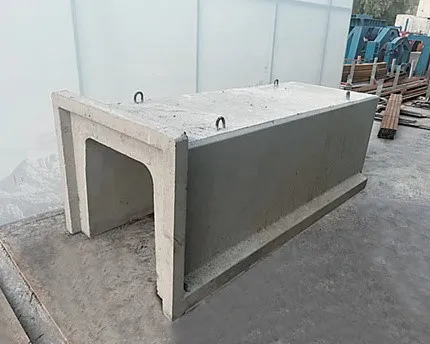
Gray is a versatile and popular color choice for drainage canal molds. It is a neutral color that blends in well with a variety of environments and architecture. Gray is also a durable color that is resistant to fading and staining, making it a good choice for long-term use.
Gray molds are commonly used in urban and industrial settings, as well as in residential areas. They can give the drainage canals a modern and professional look. For example, in a cityscape, gray Canal Mold can complement the concrete and steel structures around them.
2. Green
Green is a natural and earthy color that is often used in outdoor settings. It blends in well with the surrounding vegetation and can create a harmonious and peaceful atmosphere. Green molds are a popular choice for parks, gardens, and other natural areas.
In addition, green can also have environmental benefits. It can absorb some of the sunlight and heat, reducing the temperature of the mold and the concrete inside it. This can help prevent cracking and improve the durability of the drainage canals.
3. Black
Black is a bold and dramatic color that can make a strong statement. It is a popular choice for modern and contemporary designs, as well as in industrial settings. Black molds can give the drainage canals a sleek and sophisticated look.
However, black also absorbs a lot of heat, so it may not be suitable for areas with high temperatures or direct sunlight. In addition, black may show dirt and stains more easily than other colors, so it may require more maintenance.
4. Yellow and Orange
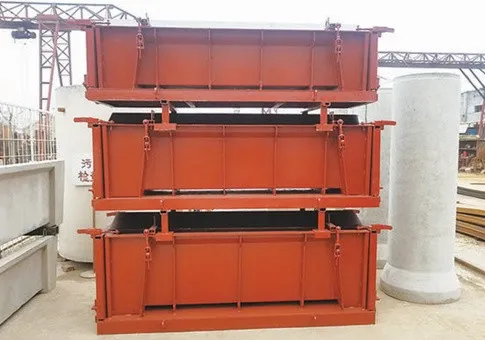
Yellow and orange are bright and highly visible colors that are often used for safety reasons. They are commonly used in areas where there is a risk of accidents, such as near roads, in construction sites, or in industrial areas.
Yellow and orange molds can quickly attract attention and alert people to the presence of the drainage canals. They are also resistant to fading and can maintain their visibility over time.
Testing and Sampling
Before making a final decision on the color of the drainage canal molds, it's a good idea to test and sample different colors. This can help you see how the colors look in the actual environment and under different lighting conditions.
Most mold suppliers, including us, can provide color samples or mock-ups of the molds. You can place these samples in the intended location to evaluate how they look and perform. Additionally, you can also ask for references or visit existing projects that use the same or similar mold colors to get a better idea of the long-term effects.
Color Application and Finishing
Once you have chosen the right color for your drainage canal molds, it's important to ensure proper color application and finishing. The color should be applied evenly and smoothly to ensure a consistent and professional look.
High-quality paints and coatings should be used to ensure the durability and longevity of the color. The surface of the molds should be properly prepared before painting to ensure good adhesion. This may involve cleaning, sanding, and priming the molds.
After the color is applied, a clear protective coating can be added to further enhance the durability and resistance to fading, chipping, and cracking.
Conclusion
Choosing the right color for drainage canal molds is a complex decision that requires careful consideration of various factors, including the environment, functionality, aesthetics, and maintenance. By taking the time to evaluate these factors and testing different colors, you can ensure that the chosen color meets your needs and expectations.
As a trusted supplier of drainage canal molds, we offer a wide range of colors and customization options to suit your specific requirements. Whether you need a U-shaped Groove Mold, a farmland irrigation canal mold, or any other type of drainage canal mold, we can help you find the perfect color.
If you have any questions or need further assistance in choosing the right color for your drainage canal molds, please don't hesitate to contact us. We're here to help you make the best decision for your project.
References
- "Color Psychology in Design: How Colors Affect Mood and Behavior" by Verywell Mind
- "Concrete Construction Handbook" by the American Concrete Institute
- "Landscape Architecture: Principles, Practices, and Projects" by Norman T. Newton