

In the realm of rainwater management, the efficiency and durability of rainwater pipelines are of utmost importance. As a dedicated Rainwater Pipeline Mold supplier, I've witnessed firsthand the critical role that mold inserts play in the production of high - quality rainwater pipelines. In this blog, I'll delve into what the key aspects of a rainwater pipeline mold insert are.
Understanding the Basics of Rainwater Pipeline Molds
Before we explore the mold insert key, it's essential to understand the overall concept of Rainwater Pipeline Mold. These molds are used to shape and form rainwater pipes, which are designed to collect and transport rainwater effectively. The quality of the mold directly impacts the quality of the pipes produced. A well - designed rainwater pipeline mold can ensure that the pipes have the right dimensions, smooth surfaces, and sufficient strength to withstand various environmental conditions.
The Significance of Mold Inserts
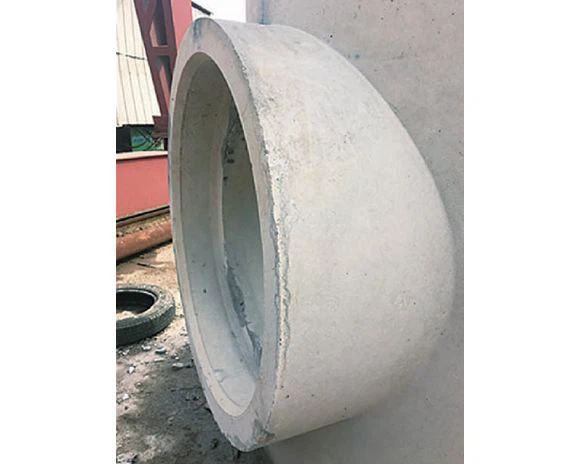
Mold inserts are removable parts of the mold that are crucial for creating specific features in the rainwater pipes. They can be used to form complex shapes, such as sockets and spigots, which are essential for connecting different sections of the pipeline. Without proper mold inserts, it would be extremely difficult, if not impossible, to produce pipes with the necessary connections and details.
Key Features of a Rainwater Pipeline Mold Insert
Precision and Accuracy
One of the most important keys of a rainwater pipeline mold insert is precision and accuracy. The insert must be manufactured to exact specifications to ensure that the pipes produced have consistent dimensions. Even a slight deviation in the insert's dimensions can lead to pipes that do not fit together properly or do not meet the required standards. For example, in the case of Mold for Socket and Spigot Cement Pipe, the insert for creating the socket and spigot must be precisely crafted so that the pipes can be connected tightly, preventing leaks.
Material Selection
The choice of material for the mold insert is also a critical factor. The insert needs to be made of a material that can withstand the high pressures and temperatures involved in the pipe - making process. Common materials used for mold inserts include high - strength steels and alloy steels. These materials offer excellent wear resistance, which is essential as the insert will be in contact with the molten or semi - molten material during the molding process. For instance, in the production of Spigot Cement Pipe Mold, a high - quality steel insert can ensure a long service life and consistent performance.
Surface Finish
The surface finish of the mold insert has a direct impact on the surface quality of the rainwater pipes. A smooth surface finish on the insert will result in pipes with smooth inner and outer surfaces. This is important not only for the aesthetic appearance of the pipes but also for their functionality. Smooth - surfaced pipes reduce friction, allowing rainwater to flow more freely through the pipeline. Additionally, a good surface finish on the insert can prevent the material from sticking during the molding process, making it easier to remove the pipes from the mold.
Ease of Installation and Replacement
A rainwater pipeline mold insert should be designed to be easily installed and replaced. During the production process, inserts may need to be replaced due to wear and tear or when different pipe designs are required. An insert that can be quickly and easily installed and removed can significantly reduce production downtime. This means that manufacturers can switch between different pipe production runs more efficiently, increasing overall productivity.
The Role of Design in Mold Inserts
The design of the mold insert is a key aspect that affects its performance. A well - designed insert takes into account factors such as the flow of the material during the molding process, the ejection of the finished pipe, and the ease of cleaning. For example, the design should ensure that the molten material can flow evenly around the insert to form a uniform pipe. It should also allow for easy removal of the pipe from the mold without causing any damage to the pipe or the insert.
Quality Control of Mold Inserts
As a Rainwater Pipeline Mold supplier, quality control of mold inserts is a top priority. We implement strict quality control measures at every stage of the insert manufacturing process. This includes using advanced inspection equipment to check the dimensions, surface finish, and material properties of the inserts. We also conduct testing to ensure that the inserts can withstand the rigors of the pipe - making process. Only after passing these stringent quality control tests are the mold inserts approved for use in our rainwater pipeline molds.
Impact on the Final Product
The quality of the mold insert directly impacts the quality of the final rainwater pipes. Pipes produced with high - quality mold inserts are more likely to have better structural integrity, smoother surfaces, and proper connections. This, in turn, leads to more reliable and efficient rainwater pipelines. For example, pipes with well - formed sockets and spigots can be easily connected, reducing the risk of leaks and improving the overall performance of the drainage system.
Future Trends in Rainwater Pipeline Mold Inserts
As the demand for more efficient and sustainable rainwater management systems grows, we can expect to see several trends in rainwater pipeline mold inserts. One trend is the use of advanced materials that offer even better performance and durability. Another trend is the development of more complex insert designs to create pipes with enhanced features, such as self - cleaning capabilities or improved flow characteristics.

Conclusion
In conclusion, the key aspects of a rainwater pipeline mold insert, including precision, material selection, surface finish, ease of installation, and design, are all crucial for the production of high - quality rainwater pipes. As a Rainwater Pipeline Mold supplier, we are committed to providing our customers with the best - in - class mold inserts that meet the highest standards of quality and performance.
If you are in the market for rainwater pipeline molds or related mold inserts, we invite you to contact us for procurement and further discussions. Our team of experts is ready to assist you in finding the perfect solutions for your rainwater pipe production needs.
References
- "Plastic Injection Molding Handbook" by O. Olajide
- "Mold Design and Manufacturing Technology" by Zhang San