

Hey there! I'm a supplier of Canal Molds, and today I wanna chat about a super important topic: how to improve the durability of a canal mold. It's crucial for both us suppliers and you guys, the customers, because a more durable mold means better performance and longer - term use. So, let's jump right in!
1. Choose High - Quality Materials
The first thing that comes to mind when thinking about improving durability is the material. Using top - notch materials is like building a house on a solid foundation. For canal molds, materials like high - grade steel or reinforced plastic are excellent choices.
High - grade steel is known for its strength and resistance to wear and tear. It can withstand high pressure during the molding process and is less likely to deform. For example, when making large - scale Canal Mold, steel molds can handle the weight and the force exerted on them much better than other materials.
On the other hand, reinforced plastic is a lightweight alternative. It's corrosion - resistant, which is a huge plus, especially if the canal is going to be in a wet or chemically - rich environment. It also has good flexibility in some cases, which can prevent cracking under stress. When you're looking for a mold for a Farmland Irrigation Canal Mold, reinforced plastic can be a cost - effective and durable option.
2. Proper Design and Engineering
A well - designed canal mold is half the battle won. The design should take into account the specific requirements of the canal, such as its shape, size, and the type of material it will hold.
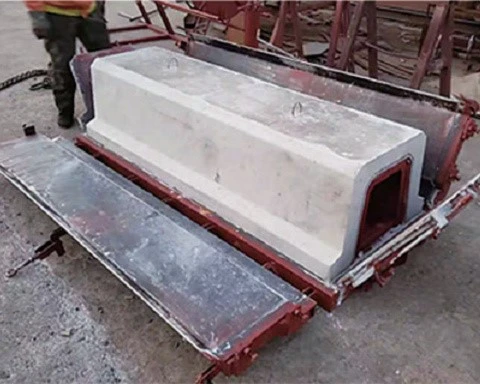
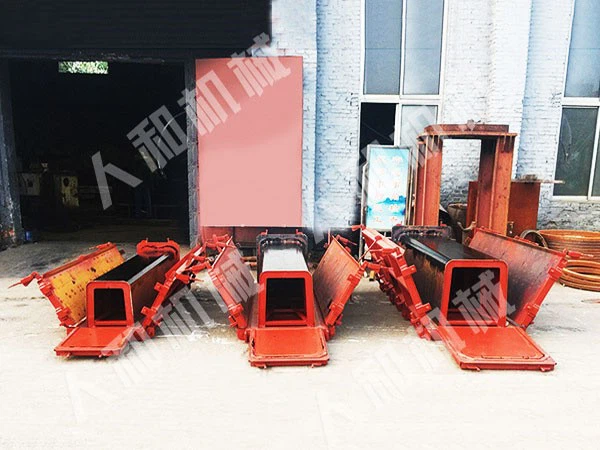
For instance, a U - shaped Groove Mold needs to be designed in a way that the U - shape is consistent and smooth. Any sharp corners or uneven surfaces can cause stress concentration points, which may lead to cracks over time. The thickness of the mold walls also matters. If the walls are too thin, the mold may not be able to withstand the pressure during casting. On the contrary, if they're too thick, it can be a waste of material and increase the cost.
In addition, the design should allow for easy demolding. If it's difficult to remove the canal from the mold, it can cause damage to both the mold and the canal. This means adding proper draft angles and using release agents during the molding process.
3. Regular Maintenance
Maintenance is key to keeping your canal mold in top shape. Just like a car needs regular oil changes and tune - ups, a canal mold needs some TLC too.
Cleaning the mold after each use is essential. Residue from the casting material can build up over time and affect the quality of the next cast. You can use a mild detergent and a soft brush to clean the surface of the mold. Make sure to dry it thoroughly to prevent rusting, especially if it's a steel mold.
Inspecting the mold regularly is also important. Look for any signs of wear, such as scratches, dents, or cracks. If you find any issues early on, you can take corrective measures before they become major problems. For example, a small crack can be repaired with a suitable filler, but if left unattended, it can spread and render the mold useless.
4. Optimal Use Conditions
Using the canal mold under the right conditions can significantly extend its lifespan. Temperature and humidity play a big role in the performance of the mold.
If the temperature is too high during the casting process, it can cause the mold to expand and warp. On the other hand, if it's too low, the casting material may not set properly, which can also put stress on the mold. Similarly, high humidity can lead to corrosion, especially for metal molds. So, it's important to control the environment where the molding takes place.
Also, make sure to follow the recommended casting procedures. Over - filling the mold or using too much pressure can damage it. Always refer to the manufacturer's guidelines for the best results.
5. Training and Education
Proper training for the people using the canal mold is often overlooked but is incredibly important. If the operators don't know how to use the mold correctly, it can quickly lead to damage.
Training should cover everything from how to set up the mold, how to pour the casting material, and how to demold safely. It should also include maintenance procedures so that the operators can take care of the mold on a daily basis. By investing in training, you're not only improving the durability of the mold but also increasing the efficiency of the production process.
6. Quality Control in Production
As a supplier, I pay a lot of attention to quality control during the production of canal molds. We use advanced manufacturing techniques to ensure that each mold meets the highest standards.
We conduct strict inspections at every stage of the production process. From the raw material inspection to the final product testing, we make sure that the mold is free from defects. For example, we use non - destructive testing methods to detect any internal flaws in the steel molds. This way, we can provide you with a mold that's built to last.
7. Upgrading and Refurbishment
Over time, even the most durable canal mold may start to show signs of wear. Instead of replacing it right away, consider upgrading or refurbishing it.
Upgrading can involve adding new features or improving the existing ones. For example, you can install better - quality release agents or add reinforcement to the mold. Refurbishment, on the other hand, can include repairing any damage, resurfacing the mold, and repainting it. This can give the mold a new lease on life and save you money in the long run.
Conclusion
Improving the durability of a canal mold is a multi - faceted process. It involves choosing the right materials, having a proper design, regular maintenance, using the mold under optimal conditions, providing training to operators, ensuring quality control in production, and considering upgrading or refurbishment.
If you're in the market for a high - quality and durable canal mold, or if you have any questions about improving the durability of your existing molds, don't hesitate to reach out. We're here to help you make the best choices for your canal projects.
References
- Smith, J. (2020). "Best Practices for Canal Mold Durability"
- Johnson, A. (2019). "Materials for Long - lasting Canal Molds"
- Brown, C. (2021). "Design Considerations for Canal Molds"