

What are the mechanical properties of a canal mold?
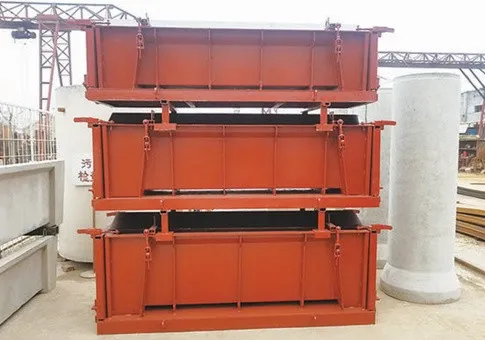
As a dedicated supplier of canal molds, understanding the mechanical properties of these molds is crucial for both our team and our customers. These properties ensure the molds can perform effectively in various applications, from minor drainage systems to large - scale agricultural irrigation projects.
1. Strength
Compressive Strength
A canal mold must possess high compressive strength because it is often subjected to the pressure of the wet concrete. When concrete is poured into the mold, it exerts a significant downward force. The mold needs to withstand this pressure without deforming. For example, in the case of large - scale Farmland Irrigation Canal Mold, which can be used to create long and wide canals, the compressive strength of the mold is of utmost importance. If the mold cannot handle the pressure, the resulting canal may have an irregular shape, affecting its water - carrying capacity.
Tensile Strength
Tensile strength is another vital property. During the process of concrete setting and curing, there may be internal forces within the concrete that can cause it to pull on the mold. A mold with high tensile strength can resist these pulling forces. For instance, when the concrete starts to shrink as it dries, it exerts a tensile stress on the mold. If the mold's tensile strength is insufficient, it may crack or break, leading to the production of defective canal components.
2. Hardness
Hardness is essential to prevent wear and tear of the canal mold. The mold comes into contact with rough aggregates in the concrete mix, and over time, these aggregates can cause abrasion on the surface of the mold. A hard mold material can resist this abrasion. Our U - shaped Groove Mold is designed to have a high - hardness surface. This ensures that it can be used repeatedly without significant surface damage, which in turn helps to maintain the smoothness of the canal's inner surface. A smooth inner surface is crucial as it reduces friction and allows water to flow more efficiently through the canal.
3. Elasticity
Elasticity is a property that allows the canal mold to deform slightly under stress and then return to its original shape. This is particularly useful during the demolding process. When the concrete has set, the mold needs to be removed from the newly formed canal. A mold with good elasticity can be flexed slightly to release it from the concrete without causing damage to either the mold or the canal. For Flume Mold, which is used to create complex - shaped flumes, elasticity is a key factor. It enables easy removal of the mold while maintaining the integrity of the flume structure.
4. Fatigue Resistance
Canal molds are often used repeatedly in the production process. Each time concrete is poured, set, and the mold is removed, the mold undergoes cyclic loading and unloading. This can lead to fatigue failure over time. A mold with high fatigue resistance can withstand these repeated cycles without developing cracks or other structural failures. Our molds are engineered to have excellent fatigue resistance, ensuring a long service life. This is especially important for large - volume production projects where the molds are used continuously for an extended period.
5. Corrosion Resistance
Since canal molds are frequently exposed to water and concrete, they are prone to corrosion. Corrosion can weaken the structural integrity of the mold and also affect the quality of the canals produced. Our molds are made from materials with high corrosion resistance. For example, we use special - grade steel and coatings that protect the mold from rust and chemical reactions with the concrete. This not only extends the life of the mold but also ensures that the canals produced are of high quality and free from any contamination caused by corroded mold parts.
6. Dimensional Stability
Dimensional stability is critical for canal molds. The dimensions of the mold directly determine the size and shape of the canals. If the mold does not maintain its dimensions under different environmental conditions and stress levels, the canals produced will not meet the required specifications. Our molds are designed to have excellent dimensional stability. They are tested under various temperature and humidity conditions to ensure that they do not warp or change their shape. This is important for maintaining the accuracy of the canal's cross - sectional area, which is crucial for proper water flow and distribution.
Considerations for Customers
When customers are looking for canal molds, they should carefully consider these mechanical properties. Different applications may require molds with specific mechanical characteristics. For example, a project with a high - volume production requirement may need a mold with excellent fatigue resistance, while a coastal area project may prioritize corrosion - resistant molds due to the presence of saltwater.
As a canal mold supplier, we are committed to providing our customers with molds that meet the highest standards of mechanical performance. Our team of experts is always available to discuss the specific requirements of each project and recommend the most suitable canal mold. Whether it is a small - scale drainage project or a large - scale agricultural irrigation system, we have the right solution for you.

Contact for Purchase and Negotiation
If you are interested in our canal molds or have any questions regarding the mechanical properties and their applications, we welcome you to contact us. We are more than happy to have in - depth discussions about your project needs and provide you with a customized solution. Let's work together to ensure the success of your canal construction project.
References
- Callister, W. D., & Rethwisch, D. G. (2017). Materials Science and Engineering: An Introduction. Wiley.
- Gordon, J. E. (2017). Structures or Why Things Don't Fall Down. Da Capo Press.