

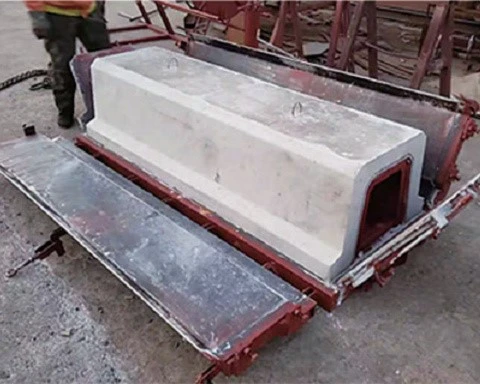
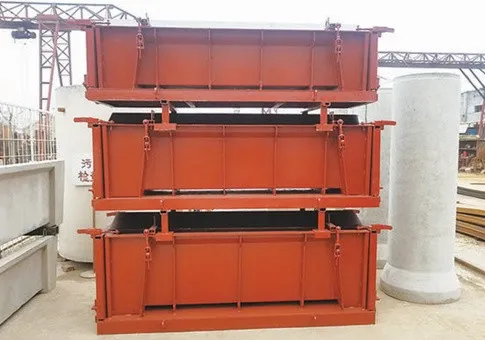
As a supplier of Rectangular Groove Molds, I've witnessed firsthand the importance of efficiency in using these molds. Whether you're in the construction, agriculture, or infrastructure development sectors, getting the most out of your Rectangular Groove Mold can significantly impact your project's success. In this blog, I'll share some practical tips on how to improve the efficiency of using a Rectangular Groove Mold.
1. Pre - Mold Preparation
Material Selection
The quality of the materials you use with the Rectangular Groove Mold plays a crucial role in the efficiency of the molding process. For concrete - based applications, choose high - quality cement, aggregates, and additives. The right mix design ensures proper flow and setting time. For example, if you're using a Rectangular Groove Mold for Farmland Irrigation Canal Mold, a well - proportioned concrete mix will result in a durable and well - formed canal.
Mold Cleaning and Maintenance
Before each use, thoroughly clean the Rectangular Groove Mold. Remove any debris, old concrete, or rust that may affect the quality of the final product. A clean mold surface not only ensures a smooth finish but also reduces the chances of sticking. Regular maintenance, such as lubricating moving parts and checking for any signs of wear and tear, can prevent breakdowns during the molding process.
2. Molding Process Optimization
Pouring Technique
When pouring the material into the Rectangular Groove Mold, use a consistent and controlled technique. Start from one end and gradually fill the mold, ensuring that the material spreads evenly. This helps to avoid air pockets and ensures a uniform density throughout the molded product. For larger molds, consider using a vibrating table to help the material settle and eliminate air bubbles.
Setting Time Management
Understanding the setting time of the material is essential. Different materials have different setting times, and you need to plan your production schedule accordingly. For example, if you're using a fast - setting concrete mix, you need to work quickly to ensure that the material is poured and shaped before it hardens. On the other hand, if you're using a slower - setting material, you have more time for finishing touches.
Temperature and Humidity Control
The temperature and humidity of the environment can affect the molding process. High temperatures can cause the material to dry too quickly, leading to cracks and a poor finish. Low temperatures, on the other hand, can slow down the setting process. Maintaining an optimal temperature and humidity level in the molding area can improve the efficiency and quality of the final product.
3. Post - Molding Handling
Demolding
Demolding is a critical step that requires careful handling. Use the appropriate demolding tools and techniques to avoid damaging the mold or the molded product. For example, if the Rectangular Groove Mold has a smooth surface, you can use a release agent to make demolding easier. If the product is still soft, be gentle when removing it from the mold to prevent deformation.
Curing
Proper curing is essential for the strength and durability of the molded product. After demolding, place the product in a curing area with the right temperature and humidity conditions. Depending on the material, the curing time can range from a few days to several weeks. Curing helps to ensure that the product reaches its full strength and performance.
4. Automation and Technology Integration
Automated Molding Systems
Investing in automated molding systems can significantly improve the efficiency of using a Rectangular Groove Mold. These systems can handle tasks such as material pouring, vibration, and demolding with precision and consistency. They can also reduce labor costs and increase production speed. For example, an automated molding system can pour the material into the mold at a constant rate, ensuring a uniform fill.
Digital Monitoring and Control
Using digital monitoring and control systems can help you keep track of the molding process in real - time. These systems can monitor parameters such as temperature, humidity, and material flow, allowing you to make adjustments as needed. For example, if the temperature in the molding area is too high, the system can alert you and suggest corrective actions.
5. Staff Training and Skill Development
Training Programs
Provide comprehensive training programs for your staff on how to use the Rectangular Groove Mold effectively. This includes training on mold preparation, material handling, molding techniques, and post - molding processes. Well - trained staff are more likely to perform their tasks efficiently and produce high - quality products.
Skill Enhancement
Encourage your staff to continuously enhance their skills. This can be done through on - the - job training, workshops, and industry seminars. By improving their skills, your staff can find new ways to optimize the molding process and increase efficiency.
6. Product Design and Customization
Design for Efficiency
When designing the Rectangular Groove Mold, consider factors that can improve efficiency. For example, a mold with a simple and easy - to - clean design can reduce the time and effort required for maintenance. Additionally, designing the mold to be compatible with automated systems can further enhance efficiency.
Customization
Offer customized Rectangular Groove Molds to meet the specific needs of your customers. Customization can include different sizes, shapes, and features. By providing customized solutions, you can better serve your customers and increase the efficiency of their projects.
7. Quality Control
Inspection Processes
Implement rigorous inspection processes at every stage of the molding process. This includes inspecting the mold before use, checking the quality of the poured material, and examining the final product. By identifying and addressing any issues early on, you can prevent costly rework and ensure that the final product meets the required standards.
Feedback Loop
Establish a feedback loop with your customers. This allows you to understand their needs and concerns and make improvements to your products and processes. By listening to your customers, you can continuously enhance the efficiency and quality of your Rectangular Groove Molds.
Conclusion
Improving the efficiency of using a Rectangular Groove Mold requires a comprehensive approach that includes pre - mold preparation, process optimization, post - molding handling, technology integration, staff training, product design, and quality control. By implementing these strategies, you can increase the productivity of your molding operations, reduce costs, and produce high - quality products.
If you're interested in purchasing Rectangular Groove Molds or have any questions about our products and services, we welcome you to contact us for a detailed discussion. We're committed to providing you with the best solutions for your molding needs.
References
- Smith, J. (2020). Molding Technology Handbook. Publisher X.
- Johnson, A. (2019). Efficiency in Construction Molding Processes. Journal of Construction Technology, 15(2), 34 - 45.
- Brown, C. (2021). The Impact of Material Selection on Molding Efficiency. Materials Science Review, 22(3), 56 - 67.