

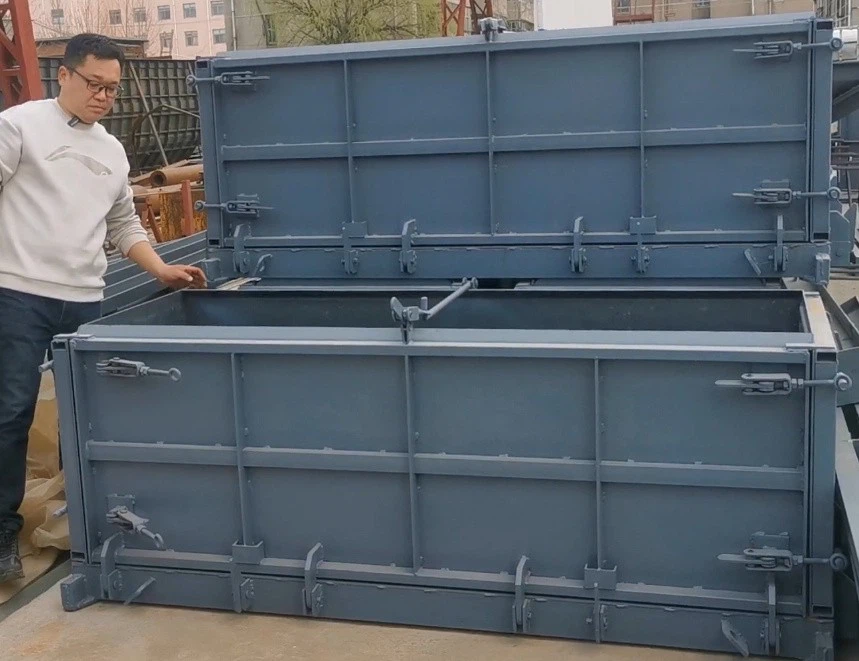
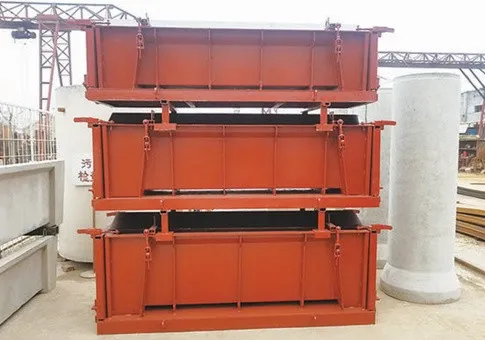
Hey there! I'm a supplier of Flume Molds, and I've been in this business for quite some time. Over the years, I've learned a thing or two about how to optimize the performance of these molds. In this blog post, I'll share some tips and tricks that can help you get the most out of your Flume Molds.
1. Material Selection
The first step in optimizing the performance of a Flume Mold is choosing the right material. Different materials have different properties, and selecting the appropriate one can significantly impact the mold's performance. For Flume Molds, materials like high - strength steel or aluminum are commonly used.
High - strength steel is known for its durability and resistance to wear and tear. It can withstand high pressures during the molding process, which is crucial when producing flumes. Aluminum, on the other hand, is lightweight and has good heat conductivity. This means that the molding process can be faster, as heat can be dissipated more quickly.
When you're considering materials for your Flume Mold, think about the specific requirements of your project. If you're producing large - scale flumes that need to last a long time, high - strength steel might be the way to go. But if you're looking for a more cost - effective and faster - production option, aluminum could be a better choice. You can check out more about Flume Molds on our website Flume Mold.
2. Design Optimization
The design of the Flume Mold plays a huge role in its performance. A well - designed mold can ensure that the flumes are produced accurately and efficiently.
First of all, the shape of the mold should be optimized for the flow of the molding material. For example, if you're using a liquid material to form the flume, the mold should have a smooth interior surface to allow the material to flow evenly. Sharp corners or rough surfaces can cause the material to get stuck, leading to uneven flumes.
Secondly, the mold should be designed with easy demolding in mind. Demolding is the process of removing the finished flume from the mold. If the mold is not designed properly, it can be difficult to remove the flume, which can damage both the flume and the mold. You can use features like draft angles on the mold walls to make demolding easier.
3. Maintenance and Cleaning
Regular maintenance and cleaning are essential for optimizing the performance of Flume Molds. Over time, dirt, debris, and residue from the molding material can build up inside the mold. This can affect the quality of the flumes produced and even damage the mold.
To clean the mold, you can use a mild detergent and a soft brush. Make sure to remove all the dirt and residue from the surface of the mold. After cleaning, dry the mold thoroughly to prevent rusting, especially if it's made of steel.
In addition to cleaning, you should also perform regular inspections of the mold. Check for any signs of wear and tear, such as cracks or dents. If you notice any issues, address them immediately. Minor repairs can prevent major problems down the line.
4. Temperature Control
Temperature control is another important factor in optimizing the performance of Flume Molds. The temperature of the mold can affect the flow of the molding material and the quality of the finished flume.
During the molding process, the mold needs to be at the right temperature. If the mold is too cold, the material may not flow properly, resulting in incomplete or uneven flumes. On the other hand, if the mold is too hot, the material may cure too quickly, leading to defects in the flume.
You can use temperature - control systems to maintain the optimal temperature of the mold. These systems can be either electric or water - cooled, depending on the specific requirements of your molding process.
5. Training and Operator Skills
The skills of the operators using the Flume Molds also have a significant impact on their performance. Proper training is crucial for ensuring that the molds are used correctly.
Operators should be trained on how to set up the mold, load the molding material, and operate the molding machine. They should also know how to perform basic maintenance tasks, such as cleaning and inspection.
By investing in operator training, you can reduce the risk of errors and improve the overall performance of the Flume Molds. Well - trained operators can produce high - quality flumes more efficiently, which can save you time and money in the long run.
6. Quality Control
Implementing a strict quality control system is vital for optimizing the performance of Flume Molds. Quality control should start from the design phase and continue throughout the production process.
During the design phase, you should ensure that the mold meets all the required specifications. This includes the dimensions, shape, and surface finish of the flume. Once the mold is in production, you should regularly inspect the flumes to check for any defects.
You can use various quality control tools and techniques, such as measuring instruments and visual inspections. If you find any defects, you should analyze the cause and take corrective actions. This could involve adjusting the mold design, changing the molding process parameters, or improving the operator training.
7. Compatibility with Other Components
Flume Molds are often part of a larger system, such as a farmland irrigation system. Therefore, it's important to ensure that the Flume Molds are compatible with other components in the system.
For example, if you're using the flumes in a Farmland Irrigation Canal Mold, the dimensions and shape of the flumes should match the requirements of the canal. Similarly, if you're using rectangular grooves in the flume system, the Flume Molds should be compatible with Rectangular Groove Mold.
Ensuring compatibility can prevent issues such as leaks, blockages, and inefficient water flow in the irrigation system.
Conclusion
Optimizing the performance of Flume Molds is a multi - faceted process that involves material selection, design optimization, maintenance, temperature control, operator training, quality control, and compatibility with other components. By following these tips, you can improve the quality and efficiency of your flume production.
If you're interested in purchasing Flume Molds or have any questions about optimizing their performance, feel free to reach out to us. We're here to help you get the best results for your projects.
References
- General knowledge from years of experience in the Flume Mold supply business.
- Industry - standard textbooks on mold design and manufacturing.