

Hey there! As a supplier of Canal Molds, I've seen firsthand how crucial it is to pick the right machining process for these molds. In this blog, I'll share some tips on how you can select the appropriate machining process for a canal mold.
Understanding the Basics of Canal Molds
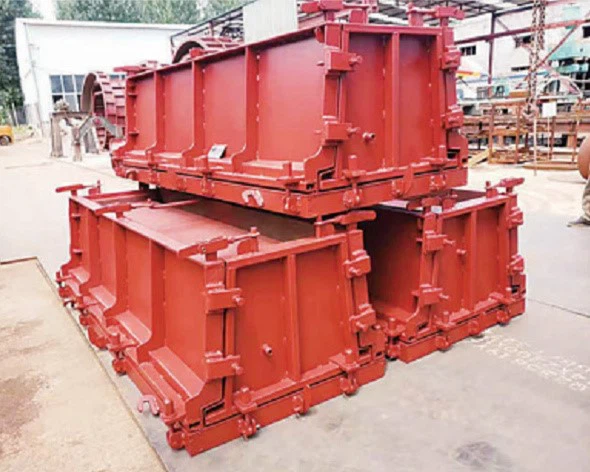
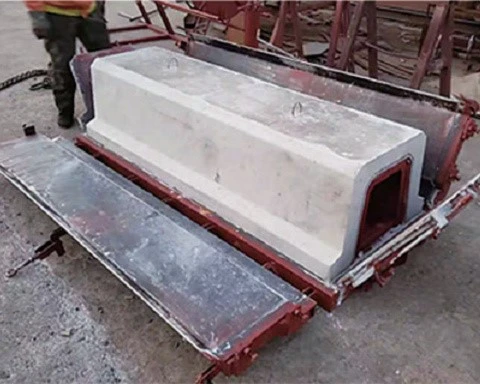
Before we dive into the machining processes, let's quickly go over what canal molds are. Canal molds are used to create channels for water flow, whether it's for irrigation, drainage, or other purposes. They come in different shapes and sizes, like the Farmland Irrigation Canal Mold and the Rectangular Groove Mold. These molds need to be precise and durable to ensure the proper functioning of the canals.
Factors to Consider When Selecting a Machining Process
1. Material of the Mold
The material of the canal mold plays a big role in determining the machining process. Common materials for canal molds include steel, aluminum, and plastic. Steel molds are strong and durable, but they can be more difficult to machine. Aluminum is lighter and easier to work with, but it may not be as strong as steel. Plastic molds are cost - effective and can be molded easily, but they may not be suitable for heavy - duty applications.
If you're using steel, processes like milling and turning are often used. Milling can create complex shapes and contours, while turning is great for creating cylindrical parts. For aluminum, CNC machining is a popular choice as it allows for high precision and fast production. Plastic molds can be produced using injection molding, which is a highly efficient process for mass - producing parts.
2. Complexity of the Design
The design of the canal mold can also influence the machining process. If the mold has a simple design with straight lines and basic shapes, processes like sawing and drilling may be sufficient. However, if the design is complex, with intricate curves and detailed features, more advanced processes like EDM (Electrical Discharge Machining) or laser cutting may be required.
EDM is a great option for creating complex shapes in hard materials. It works by using electrical discharges to remove material from the workpiece. Laser cutting, on the other hand, can provide high precision and can cut through a variety of materials.
3. Production Volume
The production volume is another important factor. If you're producing a small number of canal molds, manual machining or low - volume CNC machining may be the best option. This allows for more flexibility and can be cost - effective for small runs.
However, if you're producing a large number of molds, mass - production techniques like injection molding or die - casting are more suitable. These processes can produce a large number of parts quickly and efficiently.
Common Machining Processes for Canal Molds
1. Milling
Milling is one of the most common machining processes for canal molds. It involves using a rotating cutting tool to remove material from the workpiece. Milling can be used to create flat surfaces, slots, and complex shapes. It's a versatile process that can be used on a variety of materials, including steel, aluminum, and plastic.
2. Turning
Turning is a process where the workpiece is rotated while a cutting tool is used to remove material. It's commonly used to create cylindrical parts, such as the tubes or pipes used in canal systems. Turning can be done on a lathe, which is a machine that rotates the workpiece so that the cutting tool can remove material in a controlled manner.
3. Injection Molding
Injection molding is a popular process for producing plastic canal molds. It involves injecting molten plastic into a mold cavity under high pressure. Once the plastic cools and solidifies, the mold is opened, and the part is ejected. Injection molding is a highly efficient process that can produce a large number of parts quickly and with high precision.
4. EDM (Electrical Discharge Machining)
EDM is a non - traditional machining process that uses electrical discharges to remove material from the workpiece. It's often used for creating complex shapes in hard materials, such as steel. EDM can be used to create precise holes, slots, and contours that are difficult to achieve with traditional machining processes.
5. Laser Cutting
Laser cutting is a process that uses a high - powered laser to cut through materials. It can provide high precision and can cut through a variety of materials, including steel, aluminum, and plastic. Laser cutting is often used for creating complex shapes and patterns in canal molds.
Making the Right Choice
So, how do you make the right choice when it comes to selecting the appropriate machining process for your canal mold? First, you need to consider the factors we discussed earlier, such as the material, design complexity, and production volume.
If you're not sure which process is best for your needs, it's a good idea to consult with a machining expert. They can provide valuable insights and help you make an informed decision.
As a Canal Mold supplier, I'm here to help you every step of the way. Whether you need a Farmland Irrigation Canal Mold, a Rectangular Groove Mold, or any other type of Canal Mold, we can work together to find the best machining process for your project.
If you're interested in purchasing canal molds, feel free to reach out to us. We're always happy to discuss your requirements and provide a quote. Don't hesitate to contact us if you have any questions or need more information.
References
- Smith, J. (2018). Machining Processes for Industrial Molds. Industrial Press.
- Jones, A. (2020). The Basics of Mold Manufacturing. Elsevier.