

Transporting a drainage pipe mold is a complex task that requires careful planning, appropriate equipment, and strict adherence to safety protocols. As a drainage pipe mold supplier, I've witnessed firsthand the challenges and intricacies involved in moving these large and often heavy molds from our manufacturing facility to clients' locations. In this blog post, I'll share some valuable insights and best practices on how to transport a drainage pipe mold effectively.
Pre - transport Preparation
1. Inspection and Assessment
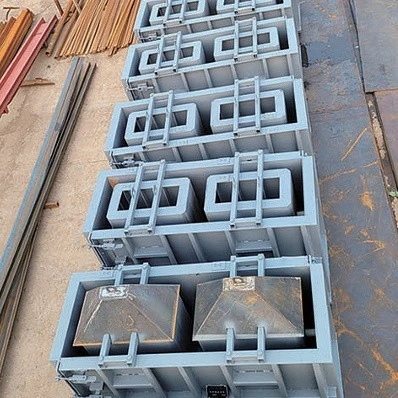
Before any transportation takes place, a thorough inspection of the drainage pipe mold is essential. Check for any signs of damage, such as cracks, dents, or loose parts. This inspection helps in identifying potential issues that could worsen during transit. Additionally, assess the size and weight of the mold. Different types of molds, like the Mold for Plain - ended Cement Pipe, Roller Suspension Pipe Mold and Rainwater Culvert Pipe Mold, vary in dimensions and weights. Knowing these details is crucial for choosing the right transportation method and equipment.
2. Packaging
Proper packaging is key to protecting the mold during transit. For smaller molds, wooden crates can be a great option as they provide cushioning and structural integrity. Line the crates with foam or other shock - absorbing materials to prevent the mold from being damaged by vibrations. For larger molds that cannot be fully enclosed in crates, use protective wrapping materials such as plastic sheeting and bubble wrap to shield the surface from scratches and weather elements.

3. Documentation
Prepare all the necessary documentation for the transportation. This includes the bill of lading, which details the contents of the shipment, its origin, and destination. Also, have a detailed inspection report that notes the condition of the mold before transportation. This documentation is vital for insurance purposes and for providing clear information to the carrier and the recipient.
Choosing the Right Transportation Method
1. Road Transport
Road transport is a common choice for transporting drainage pipe molds, especially for local or regional deliveries. It offers flexibility in terms of pick - up and drop - off locations. However, it also has limitations. The size and weight of the mold need to comply with local road regulations. For oversized molds, special permits may be required. Flatbed trucks are often used for transporting large molds as they provide a stable platform. Ensure that the truck has proper tie - down points to secure the mold firmly and prevent it from shifting during transit.
2. Rail Transport
Rail transport is suitable for long - distance transportation of heavy and large - scale drainage pipe molds. It is generally more cost - effective than road transport for bulk shipments. However, it may require additional handling at the rail terminals. Coordinate with the rail company to ensure that the loading and unloading processes are carried out safely. Special rail - specific containers or flatcars may be needed to accommodate the mold.
3. Sea Transport
If the destination is overseas, sea transport becomes a viable option. Drainage pipe molds can be shipped in standard shipping containers or as break - bulk cargo on specialized vessels. Shipping containers offer protection from the elements and can be easily transferred between different modes of transport. Ensure that the mold is properly secured inside the container to prevent movement during the long and sometimes rough sea journey.
Loading and Unloading
1. Loading
Use appropriate lifting equipment, such as cranes or forklifts, for loading the drainage pipe mold onto the transport vehicle. Make sure the equipment has the capacity to handle the weight of the mold. When using a crane, attach the lifting slings or hooks at the designated lifting points on the mold to ensure a balanced lift. During loading, have trained personnel on - site to supervise and guide the process.
2. Unloading
Similar to loading, use proper equipment and trained personnel for unloading. At the destination, ensure that the unloading area is clear and stable. Have a plan in place for moving the mold from the unloading point to its final resting place. This may involve using dollies or other material - handling equipment.
Safety Measures
1. Personnel Safety
Transporting drainage pipe molds involves inherent risks. All personnel involved in the transportation, loading, and unloading processes should wear appropriate personal protective equipment (PPE), such as hard hats, safety glasses, and steel - toe boots. Conduct safety training sessions for all workers to ensure they understand the proper procedures and potential hazards.
2. Equipment Safety
Regularly inspect and maintain all transportation and handling equipment. Make sure that cranes, forklifts, trucks, and other machinery are in good working condition. Check the brakes, tires, and lifting mechanisms before each use.
3. Environmental Safety
Be mindful of the environmental impact during transportation. Ensure that all packaging materials are either recyclable or disposed of properly. If the mold contains any hazardous materials, follow the relevant regulations for their transportation and disposal.
Monitoring during Transit
1. Tracking
Use modern tracking technologies to monitor the movement of the drainage pipe mold during transit. GPS tracking systems can provide real - time information about the location of the shipment. This allows you to keep the client informed about the progress of the delivery and to quickly respond to any unexpected delays or issues.
2. Condition Monitoring
For high - value or sensitive molds, consider using sensors to monitor the condition of the mold during transit. These sensors can detect vibrations, temperature, and humidity changes, providing early warnings of potential damage.
Conclusion
Transporting a drainage pipe mold is a multi - step process that demands meticulous planning and execution. By following these guidelines, you can ensure that the mold reaches its destination in good condition. As a drainage pipe mold supplier, I'm committed to providing high - quality products and ensuring their safe and efficient transportation. If you're interested in purchasing a drainage pipe mold and require assistance with transportation, feel free to contact me for a detailed discussion. I'm happy to share my expertise and help you with your procurement needs.
References
- "Transportation Handbook for Heavy Machinery", Industry Standard Publications
- "Safety Guidelines for Loading and Unloading of Industrial Equipment", Occupational Safety and Health Administration