

Hey there! As a Canal Mold supplier, I've seen my fair share of issues when it comes to these molds. Troubleshooting them can be a bit of a headache, but with the right know - how, you can get things back on track pretty quickly. In this blog, I'll walk you through some common problems and how to fix them.
1. Surface Defects
One of the most common issues you might encounter with a canal mold is surface defects. These can range from small pits and bumps to larger cracks.
Pits and Bumps:
Pits and bumps on the surface of the mold can be caused by a few different things. Sometimes, it's due to improper cleaning. If there's debris left on the mold from previous uses, it can cause these imperfections in the next casting. To fix this, you need to give the mold a thorough cleaning. Use a mild detergent and a soft brush to scrub away any dirt or residue. Make sure to rinse it well and dry it completely before using it again.
Another cause could be the quality of the raw materials used in the casting. Low - grade concrete or other materials might not flow smoothly into the mold, leading to these surface irregularities. In this case, you should consider upgrading your raw materials to a higher quality product.

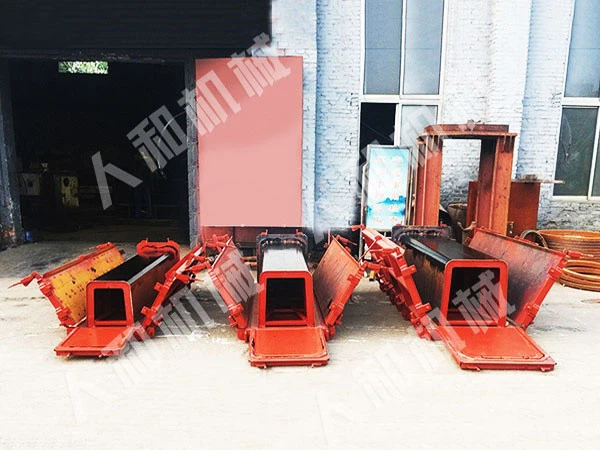
Cracks:
Cracks are a more serious issue. They can be caused by excessive stress on the mold. For example, if the mold is over - filled during the casting process, it can put too much pressure on the walls of the mold, leading to cracks. To prevent this, make sure you follow the recommended filling levels for your Canal Mold.
Thermal stress can also cause cracks. If the mold is exposed to extreme temperature changes too quickly, it can expand or contract unevenly, resulting in cracks. To avoid this, try to keep the mold in a stable temperature environment as much as possible. If you need to move the mold from a cold to a warm area, do it gradually.
2. Dimensional Inaccuracies
Dimensional inaccuracies are another problem that can occur with canal molds. If the final product doesn't match the required dimensions, it can be a big issue, especially in construction projects where precision is key.
Shrinkage:
Shrinkage is a common cause of dimensional inaccuracies. When the concrete or other casting material dries and cures, it can shrink. The amount of shrinkage depends on the type of material used and the curing conditions. To minimize shrinkage, you can use additives in the concrete that are designed to reduce shrinkage. Also, make sure to follow the proper curing process, which usually involves keeping the cast product moist for a certain period of time.
Mold Deformation:
Mold deformation can also lead to dimensional problems. This can happen if the mold is not properly supported during the casting process. For example, if the mold is placed on an uneven surface, it can warp, causing the final product to have incorrect dimensions. Always make sure to place the mold on a flat and stable surface.
3. Release Problems
Getting the cast product out of the mold can sometimes be a challenge. Release problems can occur for several reasons.
Poor Release Agent Application:
A release agent is used to prevent the cast material from sticking to the mold. If the release agent is not applied correctly, the product can get stuck. Make sure to apply the release agent evenly on all surfaces of the mold. You can use a brush or a spray to apply it. Also, follow the manufacturer's instructions on how much release agent to use.
Surface Roughness:
If the surface of the mold is too rough, the cast product can get stuck. Over time, the surface of the mold can become rough due to wear and tear. You can use a fine - grit sandpaper to smooth out the surface of the mold. But be careful not to sand too much, as it can change the dimensions of the mold.
4. Leakage
Leakage is a problem that can occur during the casting process. If the mold leaks, it can lead to a loss of material and an uneven cast.
Sealant Issues:
Most canal molds have seals to prevent leakage. If these seals are damaged or not properly installed, it can cause leakage. Check the seals regularly for any signs of damage. If you find a damaged seal, replace it immediately. Make sure to install the new seal correctly, following the manufacturer's instructions.
Mold Joints:
The joints in the mold can also be a source of leakage. If the joints are not properly aligned or tightened, there can be gaps where the material can leak out. Check the joints before each use and make sure they are tight. You may need to use tools like wrenches to tighten the joints if necessary.
5. Rust and Corrosion
Rust and corrosion can be a problem, especially if the mold is made of metal.
Environmental Factors:
Exposure to moisture and certain chemicals can cause rust and corrosion. If the mold is stored in a damp environment, it's more likely to rust. Try to store the mold in a dry place. If the mold is exposed to chemicals during the casting process, make sure to clean it thoroughly after each use to prevent corrosion.
Lack of Protection:
Applying a protective coating to the mold can help prevent rust and corrosion. There are many types of protective coatings available on the market. Choose one that is suitable for the type of metal your mold is made of. Apply the coating according to the manufacturer's instructions.
Contact for Purchase and Consultation
If you're facing any of these troubleshooting issues or if you're interested in purchasing high - quality Farmland Irrigation Canal Mold or U - shaped Groove Mold, don't hesitate to reach out. We're here to help you with all your canal mold needs. Whether you need advice on troubleshooting or want to discuss a new purchase, we're just a message away.
References
- Construction Materials Handbook: Covers information on concrete shrinkage, raw material quality, and release agents.
- Mold Manufacturing and Maintenance Guide: Provides details on mold construction, sealant use, and surface finishing.
- Environmental Effects on Metals: Discusses rust and corrosion prevention methods for metal molds.