

As a supplier of drainage canal molds, I've witnessed firsthand the importance of understanding the factors that affect their service life. In this blog, I'll delve into the key elements that can either extend or shorten the lifespan of these essential tools.
Material Quality
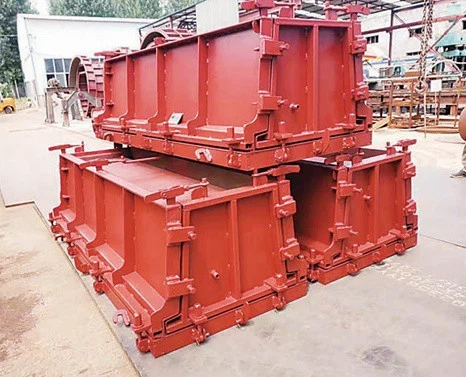
The quality of the material used to manufacture drainage canal molds is perhaps the most fundamental factor influencing their service life. High - grade materials are more resistant to wear, corrosion, and deformation. For instance, steel molds are known for their durability. High - carbon steel, in particular, offers excellent strength and hardness, which can withstand the rigors of repeated use in the casting process. On the other hand, low - quality materials may start to show signs of wear and tear after just a few uses. They are more prone to cracking, chipping, and surface damage, which can significantly reduce the mold's ability to produce accurate and high - quality drainage canals.
When choosing a material for drainage canal molds, it's crucial to consider the specific requirements of the project. For large - scale and long - term projects, investing in high - quality materials like stainless steel can be a wise decision. Stainless steel is not only resistant to corrosion but also has a smooth surface finish, which makes it easier to release the casted canals.
Design and Manufacturing Precision
The design of the drainage canal mold plays a vital role in its service life. A well - designed mold should have proper wall thickness, reinforcement, and a smooth internal surface. If the wall thickness is too thin, the mold may not be able to withstand the pressure during the casting process, leading to deformation or even breakage. On the other hand, excessive wall thickness can add unnecessary weight and cost.
Manufacturing precision is equally important. Any inaccuracies in the manufacturing process, such as uneven surfaces or misaligned parts, can cause problems during the casting process. For example, if the mold has rough internal surfaces, it can cause the concrete to stick, making it difficult to remove the casted canal. This can lead to additional wear on the mold and may even damage the finished product.
Usage and Maintenance
How the drainage canal molds are used and maintained has a direct impact on their service life. During the casting process, it's important to follow the recommended procedures. For example, using the correct amount of concrete and applying the right amount of pressure can prevent over - stressing the mold. Over - filling the mold with concrete can cause excessive pressure on the walls, leading to deformation.
Proper maintenance is also essential. After each use, the mold should be cleaned thoroughly to remove any residual concrete or debris. This can prevent corrosion and the build - up of contaminants that can damage the mold's surface. Additionally, regular inspections should be carried out to check for any signs of wear or damage. Minor issues can be repaired promptly to prevent them from becoming major problems.
Environmental Conditions
The environment in which the drainage canal molds are stored and used can have a significant impact on their service life. Exposure to extreme temperatures, humidity, and chemicals can all cause damage to the mold. For example, in a humid environment, the mold is more likely to rust if it's made of metal. High temperatures can cause the material to expand and contract, which can lead to cracks and other forms of damage.
If the molds are used in an environment where they are exposed to chemicals, such as in industrial areas or areas with high levels of pollution, special coatings may be required to protect the mold. These coatings can act as a barrier between the mold and the chemicals, preventing corrosion and other forms of damage.

Frequency of Use
The frequency of use is another important factor. Molds that are used more frequently are likely to experience more wear and tear. If a mold is used continuously without proper rest and maintenance, it can quickly reach the end of its service life. On the other hand, molds that are used sparingly and with proper care can last much longer.
It's important to plan the usage of the molds carefully. If possible, rotate the use of multiple molds to distribute the wear evenly. This can help to extend the overall service life of the molds.
Compatibility with Casting Materials
The compatibility between the drainage canal mold and the casting materials is crucial. Different types of concrete or other casting materials have different properties, such as viscosity, setting time, and shrinkage rate. If the mold is not compatible with the casting material, it can cause problems during the casting process.
For example, if the concrete has a high shrinkage rate and the mold is not designed to accommodate this, it can cause the casted canal to crack or become deformed. Therefore, it's important to choose a mold that is suitable for the specific casting material being used.
Conclusion
In conclusion, the service life of drainage canal molds is affected by a variety of factors, including material quality, design and manufacturing precision, usage and maintenance, environmental conditions, frequency of use, and compatibility with casting materials. As a supplier of Canal Mold, Farmland Irrigation Canal Mold, and Flume Mold, we understand the importance of these factors and strive to provide high - quality molds that can meet the needs of our customers.
If you are in the market for drainage canal molds, we encourage you to contact us for more information and to discuss your specific requirements. Our team of experts is ready to assist you in choosing the right molds for your project and to provide you with the best possible solutions.
References
- Smith, J. (2018). "Best Practices for Mold Maintenance in Construction". Construction Journal.
- Johnson, A. (2019). "The Impact of Material Quality on Mold Durability". Manufacturing Review.
- Brown, C. (2020). "Environmental Factors Affecting Mold Lifespan". Environmental Science Quarterly.