

As a cable trench mold supplier, I've witnessed firsthand the critical role these molds play in various infrastructure projects. One of the most important aspects that often gets overlooked is the fire - resistance properties of cable trench molds. In this blog, I'll delve into what these properties are, why they matter, and how our cable trench molds measure up.
Understanding Fire - Resistance in Cable Trench Molds
Fire - resistance in cable trench molds refers to the ability of the mold material to withstand high temperatures without significant degradation or failure. This is crucial because cable trenches house electrical cables, which are at risk of overheating and potentially causing fires. If a fire breaks out in a cable trench, the mold needs to maintain its structural integrity to prevent the spread of the fire and protect the cables.
There are several factors that contribute to the fire - resistance of cable trench molds. The material used in the mold is the primary determinant. Common materials for cable trench molds include steel, concrete, and fiberglass, each with its own fire - resistance characteristics.
Fire - Resistance of Different Mold Materials
Steel Cable Trench Molds
Steel is a popular choice for cable trench molds due to its strength and durability. In terms of fire - resistance, steel has a relatively high melting point, typically around 1370 - 1510°C. This means that in a fire situation, steel can withstand high temperatures for a certain period before it starts to lose its structural integrity.
However, steel also has a high thermal conductivity, which means it can transfer heat quickly. This can be a drawback in a fire, as it may cause the cables inside the trench to heat up more rapidly. To mitigate this, steel cable trench molds can be coated with fire - resistant materials. These coatings act as a barrier, reducing the transfer of heat and increasing the overall fire - resistance of the mold.
Concrete Cable Trench Molds
Concrete is another commonly used material for cable trench molds. Concrete has excellent fire - resistance properties. It is a non - combustible material and can withstand high temperatures for extended periods. When exposed to fire, concrete undergoes a process called spalling, where the outer layers of the concrete break off. This can be a problem if not properly managed, as it can expose the internal structure of the mold.
To enhance the fire - resistance of concrete cable trench molds, additives can be used. These additives can improve the concrete's ability to resist spalling and maintain its structural integrity during a fire. Additionally, the thickness of the concrete can also play a role in its fire - resistance. Thicker concrete walls provide more insulation and protection against heat.
Fiberglass Cable Trench Molds
Fiberglass is a lightweight and corrosion - resistant material. In terms of fire - resistance, fiberglass has a relatively low melting point compared to steel and concrete. However, modern fiberglass materials can be treated with fire - retardant chemicals to improve their fire - resistance.
These fire - retardant treatments can slow down the burning process and prevent the fiberglass from igniting easily. Fiberglass cable trench molds also have the advantage of being non - conductive, which can be beneficial in electrical applications.
Why Fire - Resistance Matters in Cable Trench Molds
The fire - resistance of cable trench molds is of utmost importance for several reasons. Firstly, it protects the electrical cables inside the trench. In the event of a fire, a fire - resistant mold can prevent the cables from being damaged, which is crucial for maintaining the functionality of the electrical system.
Secondly, fire - resistant cable trench molds can help prevent the spread of fire. By containing the fire within the trench, the risk of the fire spreading to other areas of the infrastructure is reduced. This can save lives and minimize property damage.
Finally, many building codes and regulations require cable trench molds to have a certain level of fire - resistance. Using fire - resistant molds ensures compliance with these regulations, which is essential for the approval and safety of the project.
Our Cable Trench Molds and Their Fire - Resistance
At our company, we offer a variety of cable trench molds, including Arched Cable Trench Mold, Cast - in - Place Cable Trench Mold, and U - shaped Cable Trench Mold.
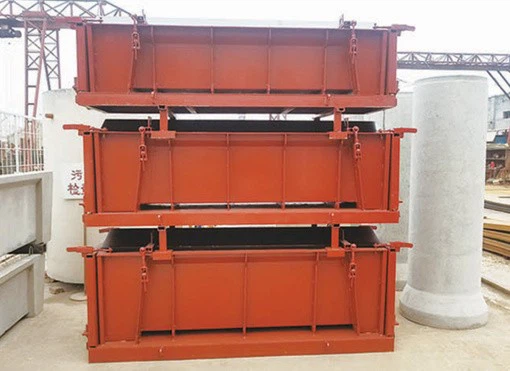
Our steel cable trench molds are coated with high - quality fire - resistant materials to enhance their fire - resistance. The coating not only reduces the heat transfer but also provides an extra layer of protection against corrosion.
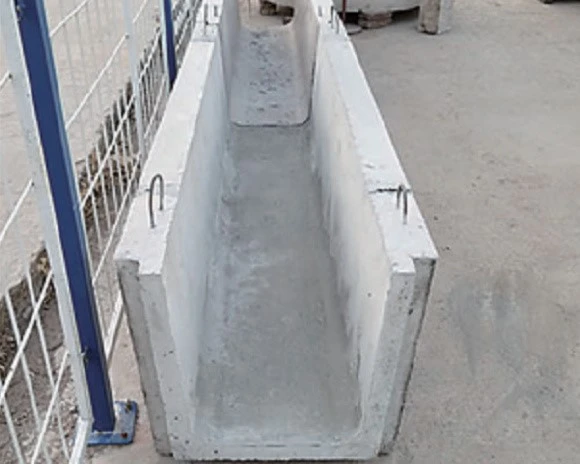
Our concrete cable trench molds are made with special additives that improve their fire - resistance and reduce the risk of spalling. We carefully control the thickness of the concrete to ensure optimal insulation and protection.
Our fiberglass cable trench molds are treated with advanced fire - retardant chemicals. These treatments ensure that the molds can withstand high temperatures and slow down the burning process.
Conclusion
In conclusion, the fire - resistance properties of cable trench molds are essential for the safety and functionality of electrical infrastructure. Different materials have different fire - resistance characteristics, and it's important to choose the right mold based on the specific requirements of the project.
If you're in the market for high - quality, fire - resistant cable trench molds, we're here to help. Our team of experts can provide you with detailed information about our products and assist you in making the right choice for your project. Whether you need an Arched Cable Trench Mold, a Cast - in - Place Cable Trench Mold, or a U - shaped Cable Trench Mold, we have the solutions you need. Contact us today to start a discussion about your cable trench mold requirements.
References
- "Fire Resistance of Building Materials and Structures" by John L. Twilt
- "Cable Trench Design and Installation Guidelines" by the Electrical Safety Council
- "Materials Science for Civil Engineers" by Arthur H. Nilson and David Darwin