

Hey there! As a supplier of drainage pipe molds, I often get asked about the production speed of these molds. It's a crucial factor for many customers, as they want to know how quickly they can churn out those drainage pipes. So, let's dive into what affects the production speed of a drainage pipe mold and how we can optimize it.
Factors Affecting Production Speed
1. Mold Design
The design of the drainage pipe mold plays a huge role in production speed. A well - designed mold allows for easy and quick ejection of the pipes. For example, if the mold has smooth surfaces and proper draft angles, the pipes can be removed without any hassle. On the other hand, a poorly designed mold may cause the pipes to get stuck, leading to delays in production. Our Pipeline Mold is designed with precision to ensure fast and efficient production.
2. Material of the Mold
The material used to make the mold also impacts production speed. High - quality materials like steel can withstand high temperatures and pressures during the molding process. This means that the mold can be used repeatedly without wearing out quickly. In contrast, a low - quality mold material may deform or break easily, causing production interruptions. Our Rainwater Pipeline Mold is made from top - notch materials to ensure long - lasting and fast production.
3. Molding Process
There are different molding processes for drainage pipes, such as injection molding and extrusion molding. Injection molding is generally faster for producing small - to medium - sized pipes. It involves injecting molten plastic into the mold cavity under high pressure. Extrusion molding, on the other hand, is better for producing long, continuous pipes. The choice of the molding process depends on the type and size of the pipes you want to produce.
4. Machine Efficiency
The efficiency of the molding machine is another key factor. A high - performance machine can heat, cool, and operate at a faster pace. Regular maintenance of the machine is essential to keep it running smoothly. If the machine breaks down frequently, it will significantly slow down the production speed.
Measuring Production Speed
The production speed of a drainage pipe mold is usually measured in terms of the number of pipes produced per hour or per day. For example, a well - optimized mold and machine setup can produce anywhere from 10 to 50 pipes per hour, depending on the size and complexity of the pipes.
Let's say we're producing small - diameter rainwater pipes. With a good Rainwater Pipeline Mold and an efficient machine, we can produce around 30 to 40 pipes per hour. But if we're making large - diameter sewage pipes, the production speed may drop to 10 to 20 pipes per hour due to the larger size and more complex molding process.
Optimizing Production Speed
1. Regular Maintenance
As I mentioned earlier, regular maintenance of the mold and the machine is crucial. This includes cleaning the mold after each use, checking for any signs of wear and tear, and lubricating the moving parts. By keeping the equipment in good condition, we can ensure consistent production speed.
2. Staff Training
Well - trained staff can operate the molding machine more efficiently. They know how to set the right parameters, troubleshoot minor issues, and handle the mold properly. We offer training programs for our customers' staff to help them get the most out of our molds.
3. Process Optimization
We constantly work on optimizing the molding process. This may involve adjusting the temperature, pressure, and cooling time to achieve the fastest production speed without compromising the quality of the pipes. For example, by reducing the cooling time slightly, we can speed up the overall production cycle.
Our Product Range and Production Speed
We offer a wide range of drainage pipe molds, including Pipeline Mold, Rainwater Pipeline Mold, and Cement Pipe Mold. Each of these molds is designed to provide high - speed production.
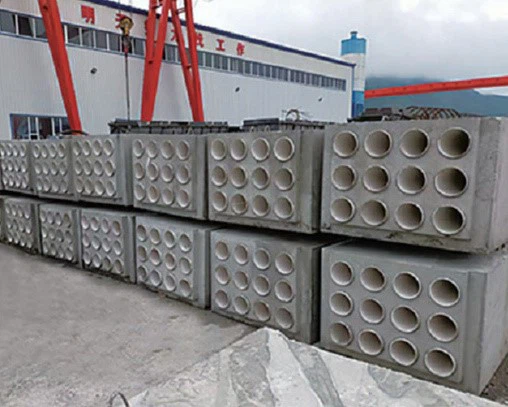
Our cement pipe molds are especially popular for their durability and fast production capabilities. They can produce high - quality cement pipes at a relatively fast pace, making them a great choice for large - scale construction projects.
Conclusion
The production speed of a drainage pipe mold is influenced by various factors, including mold design, material, molding process, and machine efficiency. By understanding these factors and taking steps to optimize them, we can achieve faster production speeds and higher productivity.
If you're in the market for drainage pipe molds and want to discuss production speed and other requirements, don't hesitate to reach out. We're here to help you find the best solution for your business. Whether you need a Pipeline Mold, Rainwater Pipeline Mold, or Cement Pipe Mold, we've got you covered.

References
- General knowledge about drainage pipe manufacturing processes.
- Industry reports on mold design and production efficiency.